
Last updated November 25, 2026
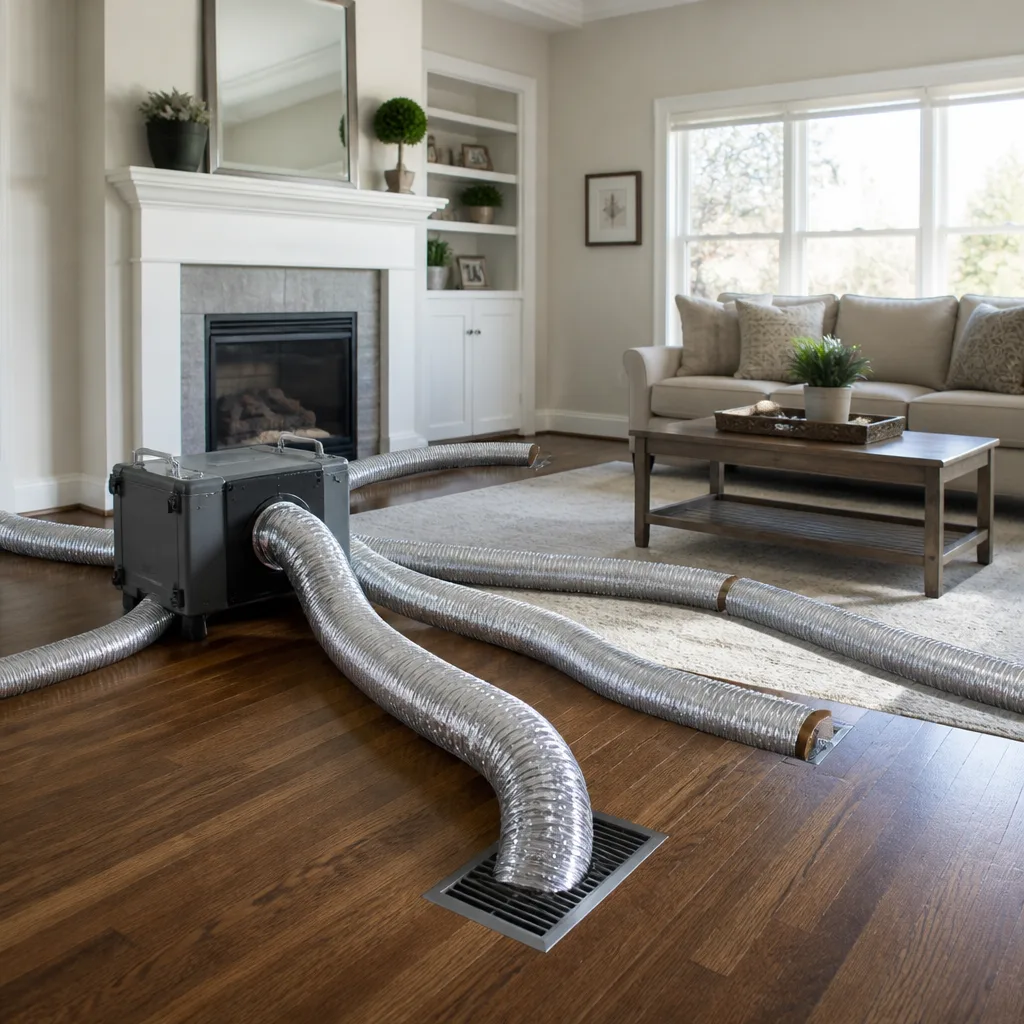 Whole-home duct cleaning
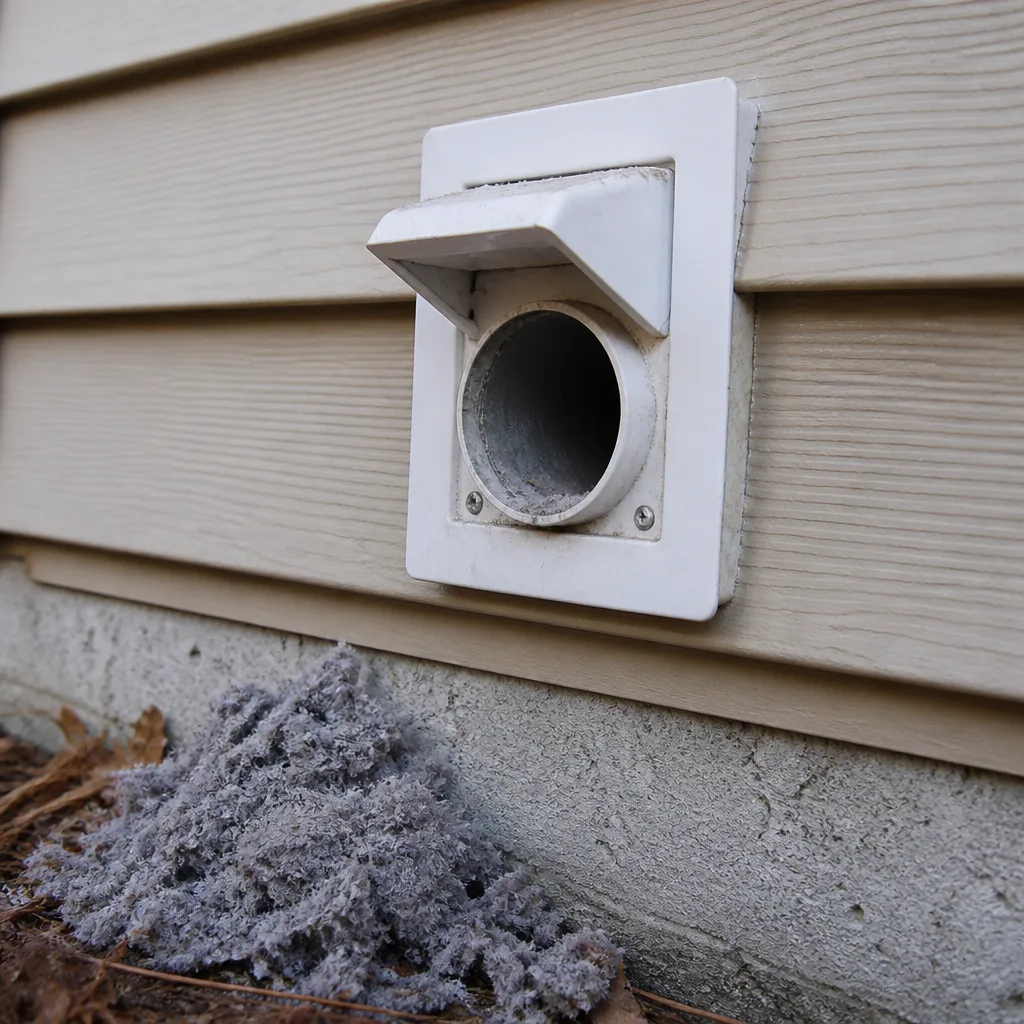 Dryer vent cleaning
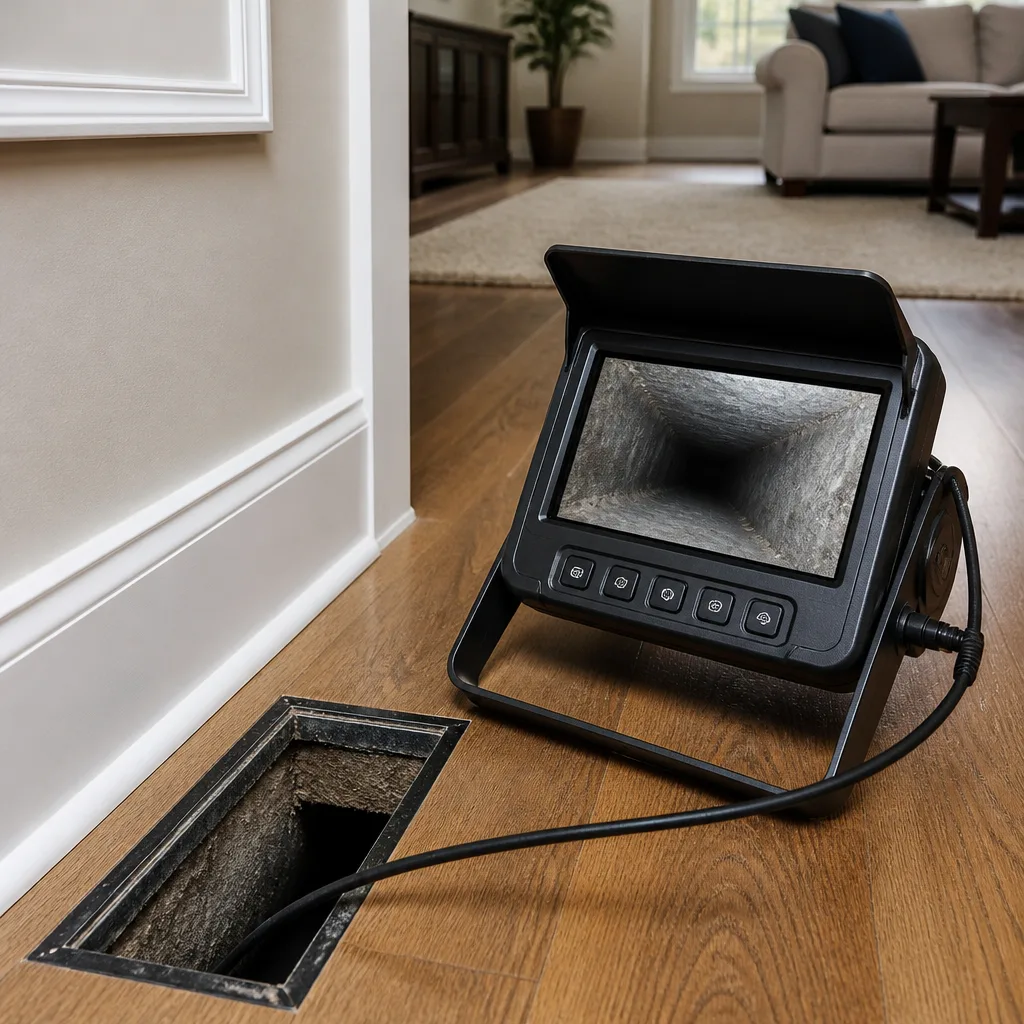 Camera inspection
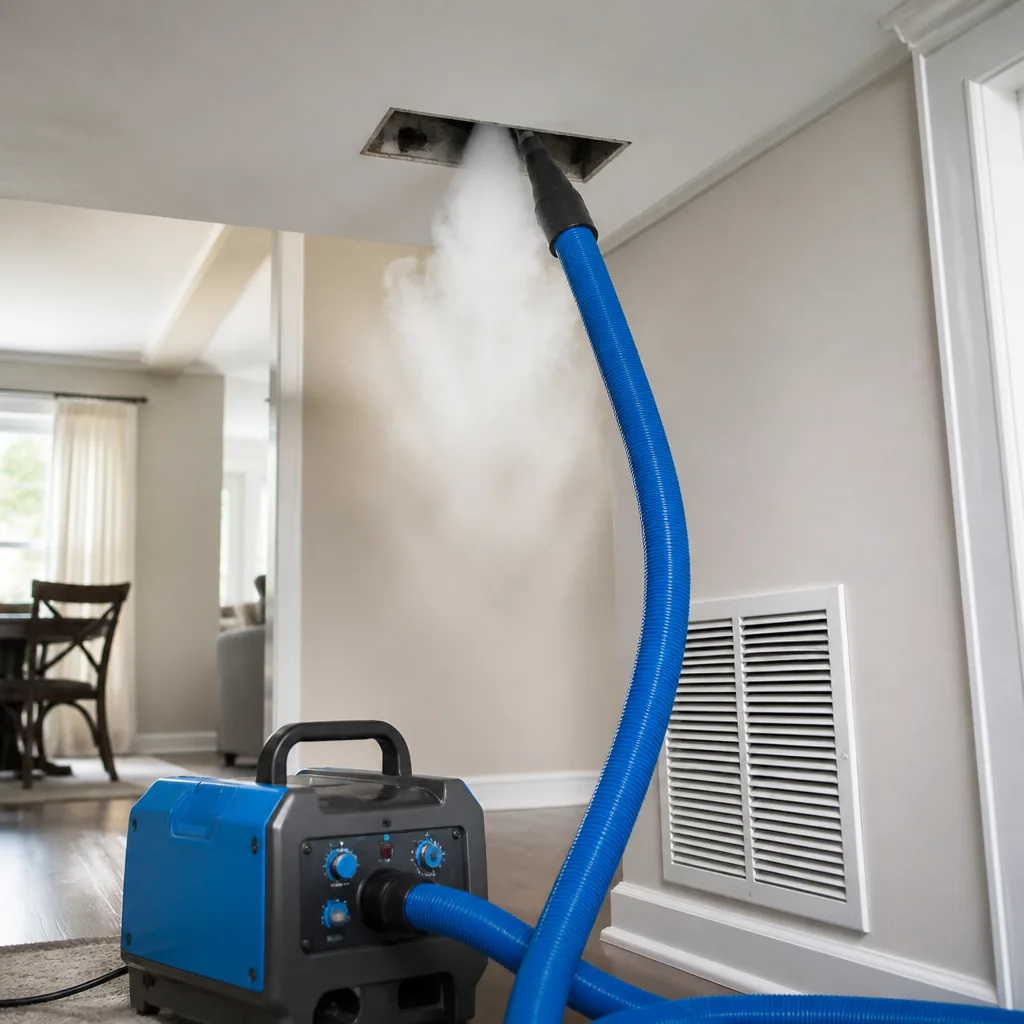 Sanitizing & deodorizing
Whole-system duct and dryer vent check with before-and-after photos - you see exactly what came out of your vents
That "$99 whole-house special" is a bait ad - the real number appears once they are in your hallway, or the "clean" is a shop-vac at the register. We photograph the inside of your ducts before and after instead.
The Complete Guide to Air Duct Cleaning in Knoxville
Most homeowners think of duct cleaning as a single service: a van pulls up, a hose goes into a vent, and dirty air comes out the other end. That picture is wrong in a way that matters. Your duct system is a network, and cleaning one section without the others pushes contamination from one part of the pathway straight into another. A shop vac and a hose isn’t cleaning; it’s theater. The EPA’s own guidance notes that improper cleaning can dislodge contaminants and make indoor air quality worse, yet plenty of so-called duct cleaning in Knoxville never touches the blower, the coil, or the return plenum. This guide maps the full air pathway component by component, explains what Knoxville’s humidity and clay soil do to the system, and shows you how to verify a job was actually done.
Quick Answer
Air duct cleaning in Knoxville means cleaning the entire air pathway: supply ducts, return ducts, both plenums, the air handler, the evaporator coil, and every register. Cleaning only the visible branches leaves the largest contamination reservoirs untouched and can spread debris through the system. A complete job uses contained, negative-pressure filtration, and it’s only as durable as the ductwork is sealed: leaky joints let attic and crawlspace air back in within months.
Styles & brands we work with
- Whole-home duct cleaning
- Dryer vent cleaning
- Camera inspection
- Sanitizing & deodorizing
Table of Contents
- The Full Air Pathway: What Actually Gets Cleaned
- How Knoxville’s Humidity and Clay Soil Shape Duct Contamination
- What the NADCA ACR Standard Requires vs. What Most Operations Deliver
- Why Cleaning Without Sealing Leads to Recontamination
- How to Verify a Cleaning Was Done Correctly
- Equipment and Containment: What a Real Job Looks Like
- Duct Repair and Sealing: Closing the Loop
- From Cleaning to Whole-Home Air Quality
The Full Air Pathway: What Actually Gets Cleaned
Air doesn’t travel through “the ducts” as one thing. It moves through a chain of components, and each one holds contamination in a different way. That’s why the air duct cleaning we perform is organized around the whole pathway rather than a single stretch of pipe. Here’s how to think about each section and why it needs its own approach.
- Return ducts and return grilles. The return side pulls air from the house, so it collects the most loose particulate: hair, pet dander, dust, and whatever the filter missed. Returns are usually the dirtiest part of a residential system in Knoxville.
- The return plenum. This is the box between the return trunk and the air handler. Loose debris settles here by gravity and rarely moves again. A branch-only cleaning never removes it.
- The blower and air handler. Dust builds on the blower wheel and cabinet over time. A coated blower moves less air and drives up running temperatures on the equipment. This component needs mechanical cleaning with the right tools, not just suction.
- The evaporator coil. In a cooling season, the coil runs wet. Wet coils catch particulate and hold it. A dirty coil loses capacity and can start to carry a biological smell. Cleaning the coil means cleaning it in place without bending fins.
- The supply plenum and trunk. This is the pressurized side. Debris here gets pushed into the living space through the registers.
- Supply branches and registers. The branches are the visible runs behind wall and ceiling registers. Registers themselves get wiped and cleaned because they sit right at the room.
The key point: contamination migrates. If you agitate the supply side without containing the return side, you move material around the network. A complete job contains the whole pathway under negative pressure so loosened debris goes into a filtration system, not into the next room. That’s a fundamentally different operation than running a hose into one vent.
How Knoxville’s Humidity and Clay Soil Shape Duct Contamination
Knoxville’s climate is specific, and so is the contamination pattern we deal with here. Two local factors drive it: summer humidity in the valley and the red clay soil that most of East Tennessee is built on. Both change what ends up in your ducts compared to a drier part of the country.
Humidity and biological growth. Knoxville summers are humid. When a cooling system runs, the evaporator coil is wet for hours at a stretch, and the return side sees warm, moist air pulled from the living space. Any dust film left on the coil or inside the plenum can support mold and mildew growth when a system cycles without enough load. That’s a big part of the musty smell people can’t locate; the source is often a coil or plenum, not a room. Sanitizing treatment matters here in a way it doesn’t in places where cooling runs hard and dry.
Red clay dust. The soil around Knoxville is heavy, iron-rich clay. It dries to a fine, staining powder. During dry spells, and especially during any construction, grading, or landscaping work that moves soil, that clay dust works into the air and into the return side of the system. It clings to duct walls more than sand or dry topsoil would, and it doesn’t vacuum out with a light pass. An older home near a graded lot or near construction traffic in Knoxville tends to carry a heavier clay load in its returns.
Seasonal pollen edge. Knoxville sits in a basin, and the valley holds spring pollen longer than open, windy terrain does. The filter and the return side catch most of it, but the fraction that passes a cheap filter settles in the plenum and on the coil.
The combined effect: Knoxville systems tend to hold more bio-growth potential and more fine mineral particulate than the generic national picture assumes. A cleaning job built around that reality uses contained filtration, mechanical agitation on the coil and blower, and a sanitizing step. Cleaning that treats Knoxville like a dry-climate market misses half the picture.
What the NADCA ACR Standard Requires vs. What Most Operations Deliver
The NADCA ACR standard is the industry’s reference document for assessing and cleaning HVAC systems. The core principle most single-van operations skip is simple: the standard requires source removal and a cleaning that does not simply move contaminants. Anyone can put a hose in a vent. Doing it without containment is exactly how a cleaning backfires.
Here’s the gap between a proper job and a common one, component by component:
- Assessment first. The standard starts with an inspection: where is the contamination, how thick, and is the system worth cleaning or does it need repair first? A common shortcut is to skip the inspection entirely and go straight to a vacuum wand.
- Containment and negative pressure. The system is kept under vacuum the entire time, with filtration capturing what is loosened. A common shortcut is trickle suction from a shop vac with no meaningful filtration or containment on the house side.
- Mechanical agitation on every surface. Duct walls, the blower wheel, the coil, and the plenum are all physically agitated with brushes and air tools, not just reached with suction. Suction alone lifts only loose debris.
- Verification. The standard calls for a post-cleaning check: a return to the inspection baseline, airflow verification, or photos that show each component, not one register. A common shortcut is a single “before” and “after” photo and a wave to the front door.
What most operations actually deliver: a vacuum hose into the supply register closest to the door and a promise. No coil clean, no blower clean, no return plenum clean, no containment. That’s not the standard. It’s the reduction of the standard to a sales call. Any company claiming a “complete” cleaning should be able to explain, in plain language, how each of the components above gets addressed. If the answer is “the machine does it,” ask what the machine reaches.
The Knoxville Air Duct Cleaning Co work is built around source removal and containment because that’s what ACR asks for and because that’s what actually changes the air in a house. Our technicians have up to 10 years of experience, and the process they run is organized around the whole pathway rather than the easy register.
Why Cleaning Without Sealing Leads to Recontamination
A cleaning only holds if the duct system is tight. Leaky duct joints sit in attics, crawlspaces, garages, and ceiling chases that are full of the very dirt you just paid to remove. A newly cleaned system with a leaky plenum or a disconnected branch will draw attic insulation, crawlspace dust, or garage air back in through the gap. And in Knoxville’s humid summers, a leak in the return side pulls in warm, moist attic air, which drives up condensation potential on the ducts themselves. Cleaning without sealing is renting clean air by the month.
How to spot leakage before you schedule service:
- Look at the joints. Old foil tape that’s dried, peeled, or hanging loose at a plenum or branch is a leak. So is a duct run that pulls away from a register boot.
- Feel for moving air. With the system running, run your hand along a duct joint or a plenum seam in the attic or crawlspace. A draft means a leak.
- Watch your comfort. A room that never cools like the rest of the house, or a register with weak airflow, often points at leakage or a disconnected branch rather than a weak system.
- Look at dust near the equipment. A ring of settled dust around the air handler cabinet or plenum frequently traces to a leak.
- Notice a new attic or crawlspace smell. If the house smells like insulation or damp wood, the return side may be drawing from those spaces.
The point of our HVAC cleaning and the duct repair and sealing menu we run is to close that loop. Clean it, seal it, and then improve it. Sealing is what turns a cleaning into a lasting result instead of a seasonal repeat job.
How to Verify a Cleaning Was Done Correctly
Photos are not proof. Any technician can photograph a clean register. Verification should include a measurement of the thing that actually matters: airflow. A proper cleaning restores airflow through the system, and a proper technician can show you the before-and-after readings or the post-cleaning inspection. If a company can’t produce anything beyond a couple of photos, that’s information worth having.
Here’s a checklist you can hold a technician to:
- Before-and-after airflow readings. A measured check at a register or at the plenum should show a difference if the coil, blower, or branches were actually restricted. Without readings, a cleaned system and a recontaminated one look the same on camera.
- A component-by-component photo record. Ask for a photo of the coil, the blower, and both plenums, not one register. Those are the exact places most cleaning skips, and the honest answer tells you a lot.
- A pre-cleaning assessment report. What was found, where, and how thick. That’s your baseline; anything after it is verifiable.
- Evidence of containment. Ask how the system was held under negative pressure. If the answer is “the truck vacuum,” ask how it captures fine particulate rather than just moving air. Remediation-level filtration is what catches the fine dust instead of letting it drift back into the house.
- The sanitizing decision. If microbial contamination was found, the report should show it, and a treatment like Guardsman sanitizing should be a documented step with a reason, not an upsell.
Ask for those five things and you’ll separate real work from theater. In our experience, the conversation itself is the test. A company with the right equipment and the right process explains its verification without hesitation.
Equipment and Containment: What a Real Job Looks Like
The equipment list tells you what the machine can reach. A homeowner can rent a shop vac; the difference is in containment and filtration. That’s the reason our process uses Rotobrush and Nikro equipment. Both are tools trusted by professional remediation and restoration contractors, not DIY-grade gear. They agitate duct walls and capture debris under controlled air. Paired with Abatement Technologies air filtration on-site, the standard is remediation-level containment, not casual vacuuming. Fine clay dust and microscopic spores don’t get relocated into the living room; they get trapped. That distinction matters in Knoxville, where the dust is often clay-fine and the humidity can feed growth once the dust settles.
The rest of a complete job looks like this:
- Assessment and access. Registers are removed, duct branches and the plenum are reached, and the system is set up for negative pressure before any cleaning begins.
- Mechanical agitation. Brushes and air tools work the duct walls, plenum surfaces, blower wheel, and coil fins.
- Contained extraction. Everything loosened gets pulled through filtration; nothing is left to drift.
- Register and grille cleaning. Wiped and reinstalled.
- Recontamination prevention. Sealing where joints are loose, a fresh filter, and a documented handoff.
One thing to weigh if you’re already scheduling a dryer vent cleaning: the dryer vent cleaning portion of our list runs on the same principle. The dryer duct is part of the air pathway, and the same remediation-level containment applies.
Duct Repair and Sealing: Closing the Loop
Cleaning a duct system with loose joints is a half job. Duct repair and sealing is the piece that holds the cleaned result in place. In Knoxville, where homes span from old mill-era construction to newer subdivisions, ductwork condition varies widely. Crushed runs, disconnected branches, and dried foil tape are common in older homes. The cleaning itself only matters if the system can hold the clean air.
What repair and sealing covers when we identify a compromised run:
- Reconnecting disconnected branches. A branch that’s pulled away from a boot leaks into the attic or wall cavity and starves the room.
- Sealing plenum seams and joints. Cabinet and plenum seams are the biggest leaks in most systems.
- Repairing crushed or pinched runs. A run that’s been flattened reduces airflow more than any dust clog.
- Attaching and re-taping loose duct joints with materials that will hold.
Clean it, seal it, improve it. That’s the arc. Cleaning without sealing means the system recontaminates within months. Sealing after cleaning preserves the result and lifts the airflow at the same time.
From Cleaning to Whole-Home Air Quality
After the clean and the seal, the question becomes how to keep the system clean. This is where the air quality menu comes in. We work with Aprilaire and Honeywell solutions to improve and maintain air quality after a cleaning. That can mean a whole-home filtration upgrade sized to the system, so the filter catches clay dust and pollen before they settle in the plenum. It can mean a filtration approach that handles the fine particulate that a standard filter passes. And where microbial contamination was found, Guardsman sanitizing addresses it beyond what mechanical cleaning alone reaches.
The point is sequencing. Clean first, then seal, then choose the filtration that fits the house and the equipment. The right system for a Knoxville home with a heavy clay-dust load and humid summers isn’t automatically the right one for a home on high ground with a newer system. It should be matched to the house, not picked off a shelf. Aprilaire and Honeywell families give the options; the choice is made after the inspection.
Common Mistakes to Avoid
- Booking a “one-price, whole-house” deal with no inspection. Knoxville’s system variability means the right approach depends on what’s actually there. A price without an assessment is a guess that gets corrected on-site.
- Cleaning only the supply side. The return side, plenum, blower, and coil carry most of the contamination in Knoxville. Branch-only cleaning leaves it all in place.
- Assuming a filter upgrade replaces cleaning. A better filter catches more upstream but doesn’t remove what’s already on the plenum floor or the blower wheel.
- Skipping the coil and blower clean. These are the components that carry the musty smell and the capacity loss. A duct clean that skips them is not complete.
- Cleaning without sealing. A leaky return pulls attic or crawlspace air back in within months. Verify the joints before you pay for a cleaning.
- Taking a single before-and-after photo as proof. Ask for component photos and airflow readings instead.
- Not thinking about Knoxville’s humid summers. Moisture and dust feed biological growth on wet coils. Sanitizing decision should be based on the inspection, not skipped by default.
See the difference
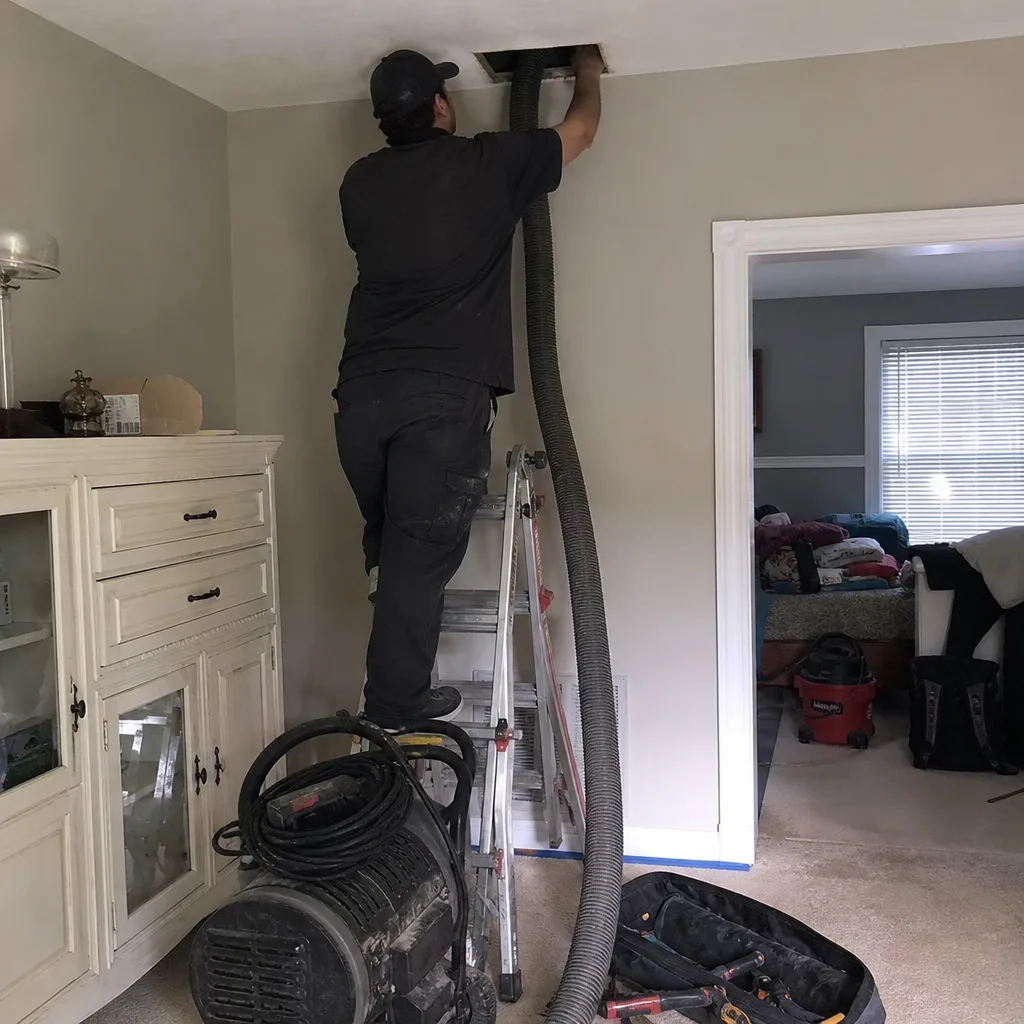 Before
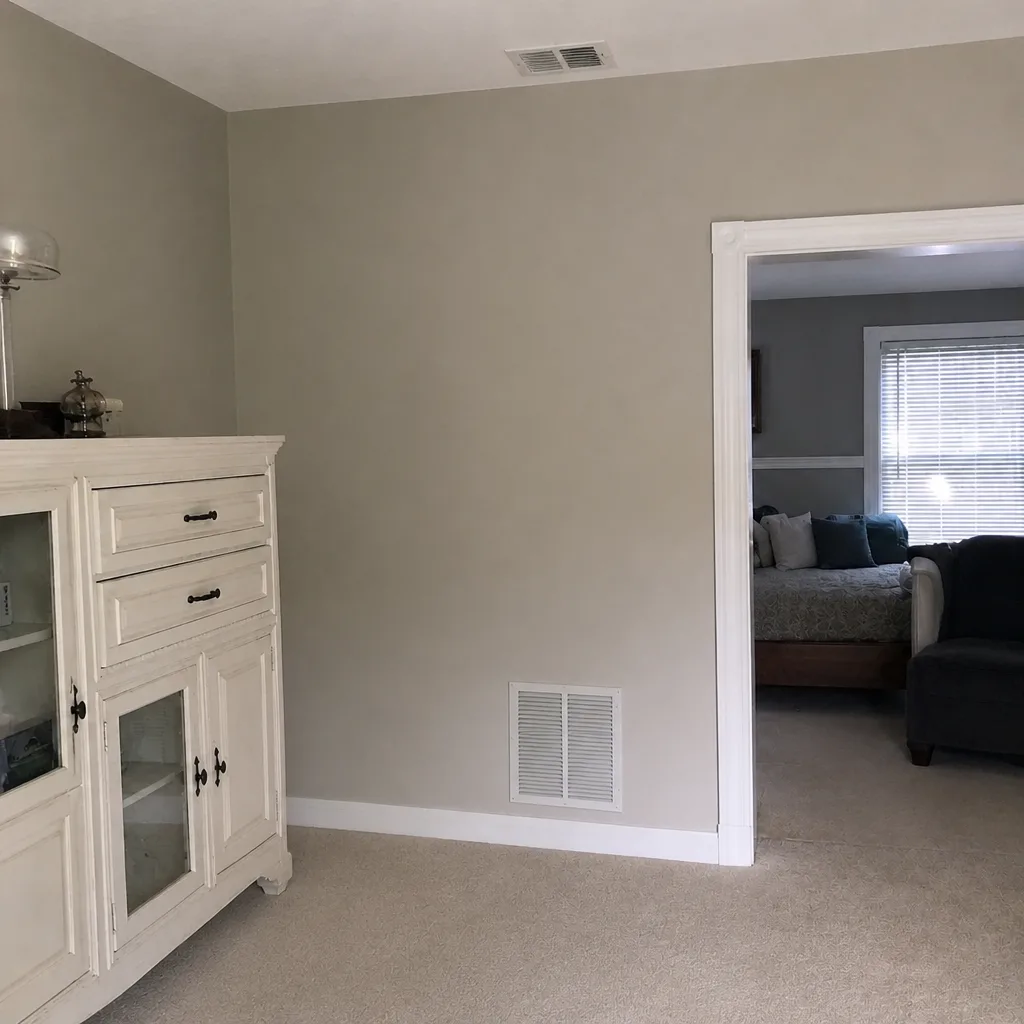 After
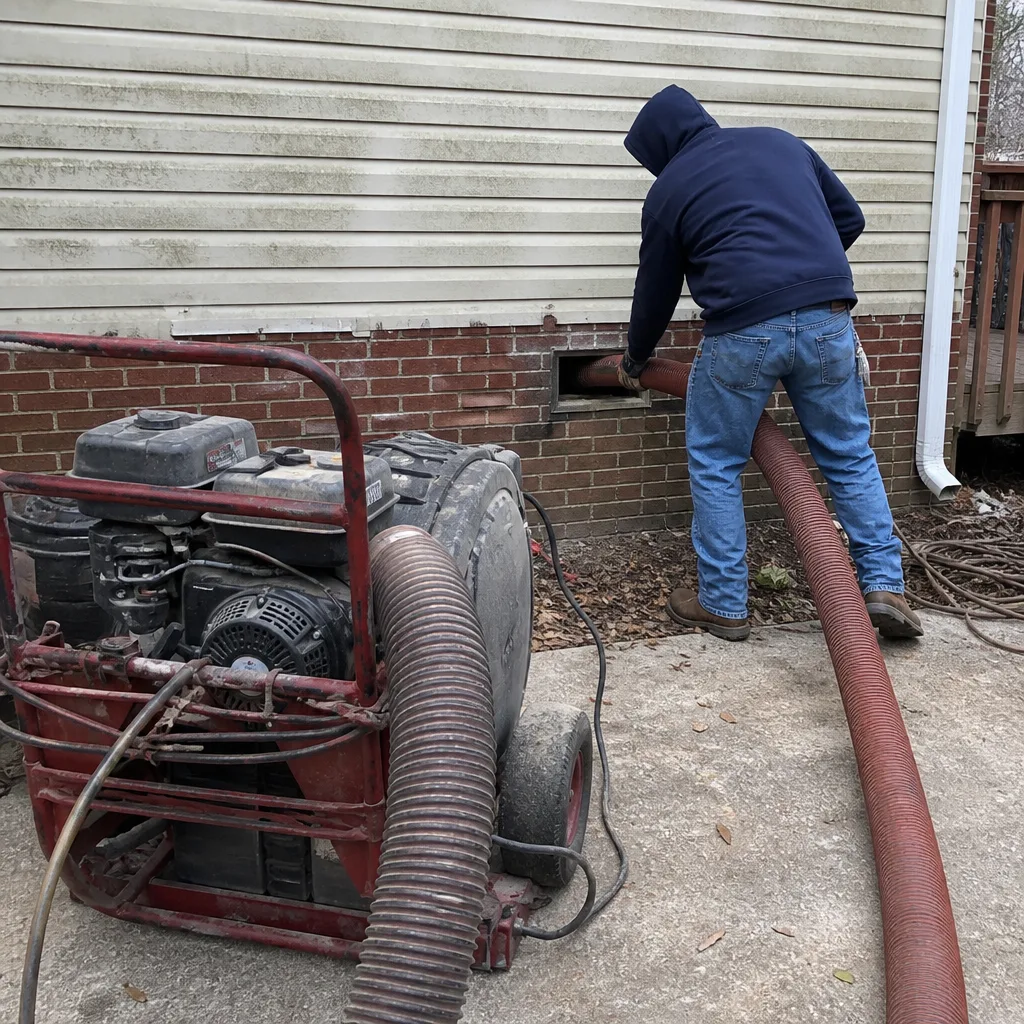 Before
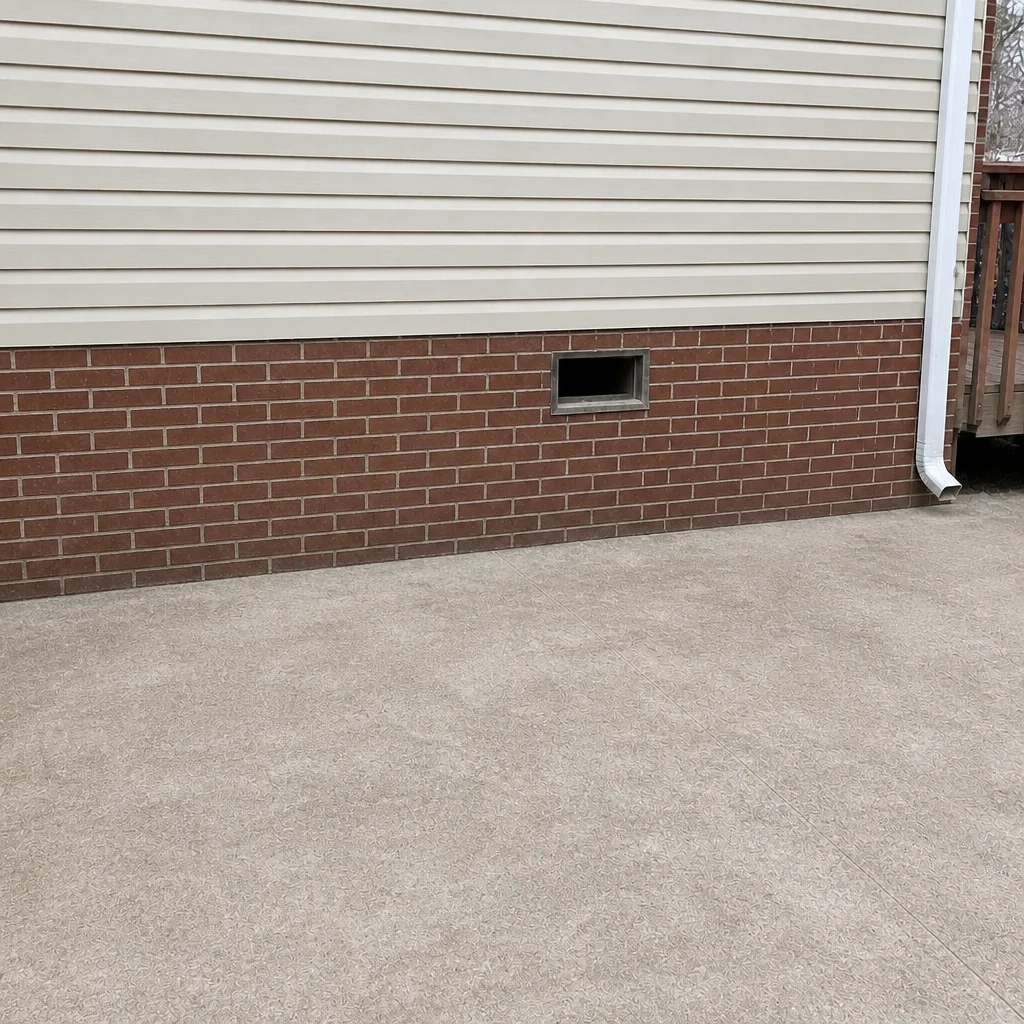 After
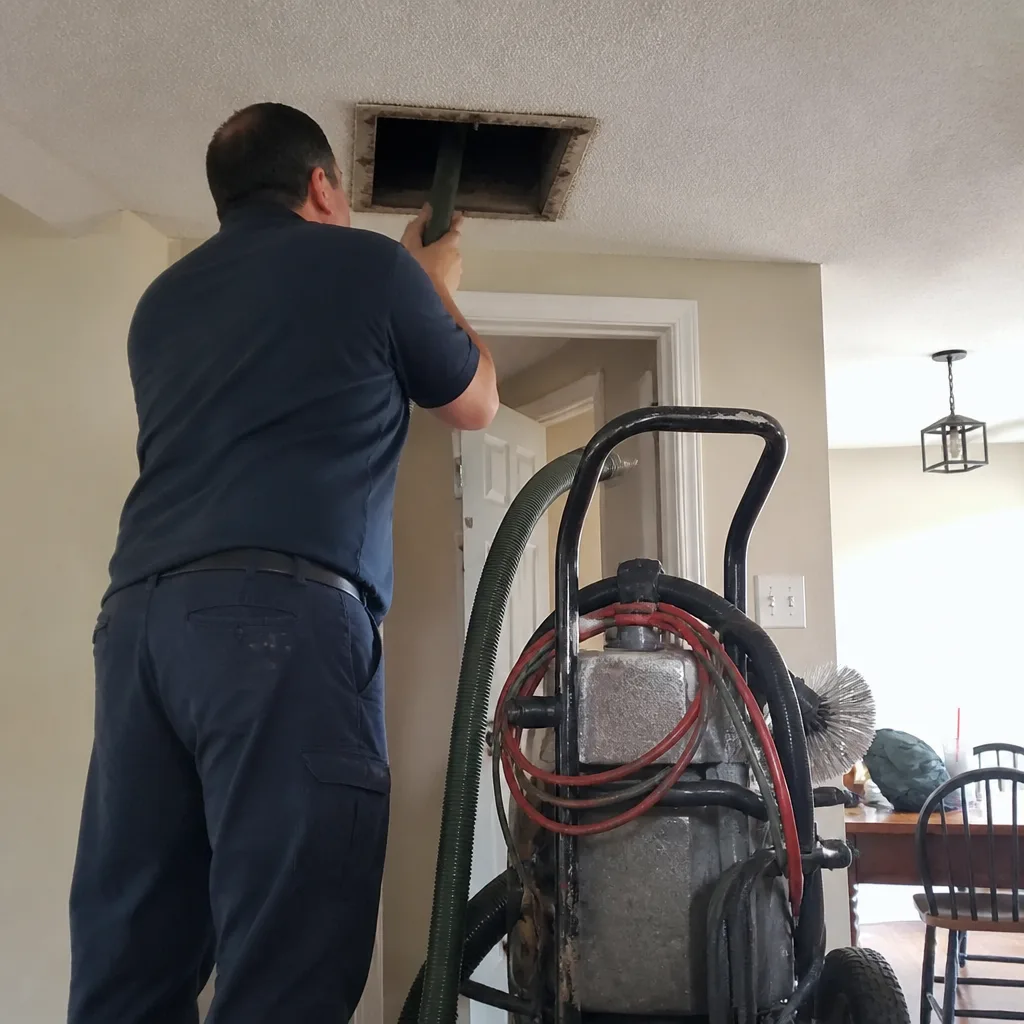 Before
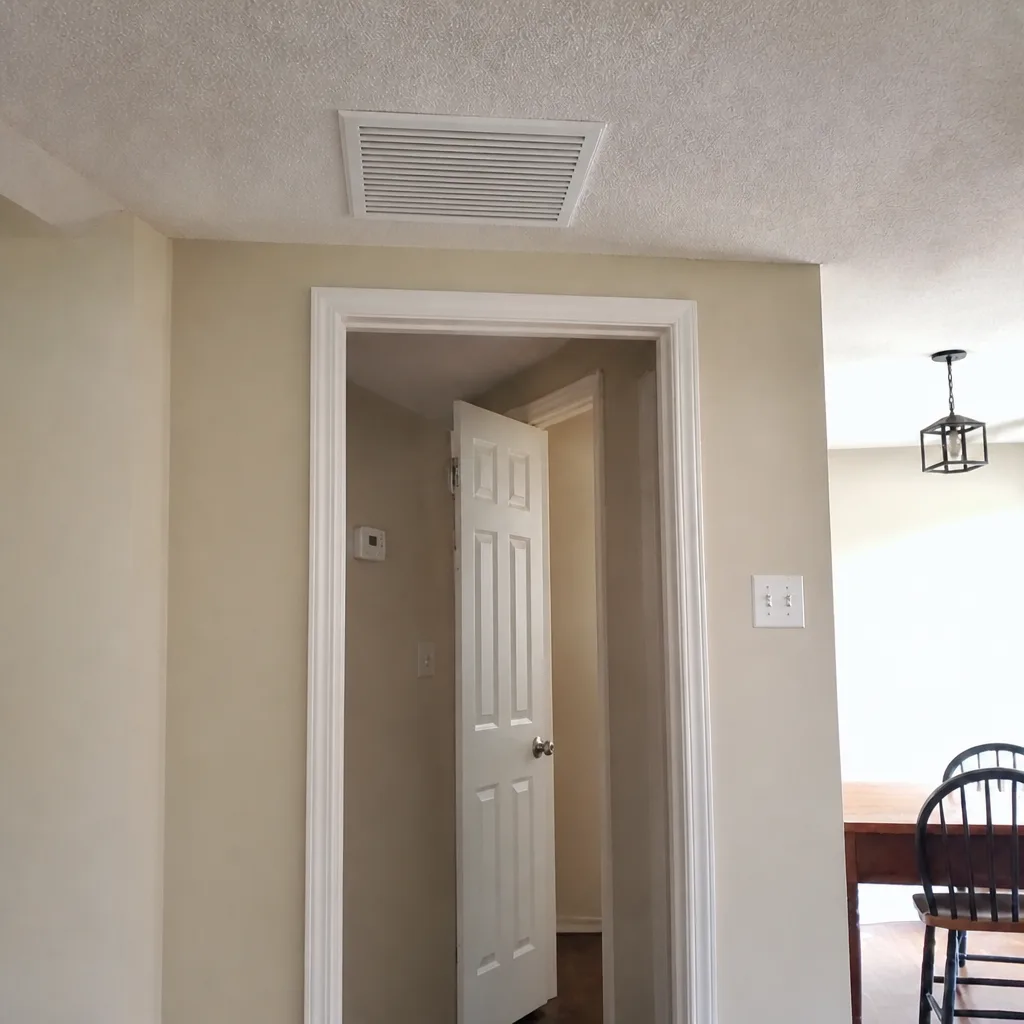 After
When to Call a Professional
A professional cleaning and assessment is the right call in a handful of clear cases: a recent renovation or construction project that pulled clay dust and drywall particles into the return side; a persistent musty smell you can’t place; allergy symptoms that show up indoors and ease when you leave; visible dust on the coil or plenum; a system that hasn’t been inspected in years; or a home purchase where the previous owner’s maintenance history is unknown. Regardless of the trigger, the safe sequence is assessment first, then a scope of work tied to what’s actually in the system. Knoxville Air Duct Cleaning Co offers free estimates in Knoxville, and the written estimate sets the price per job. Call (888) 881-9239. We answer 24/7. Fast dispatch from 7am to 7pm, Sunday through Friday.
Frequently Asked Questions
Air duct cleaning in Knoxville is priced per job by a written estimate, and the estimate depends on the number of branches, the condition of the plenums, whether coil and blower cleaning is part of the scope, and whether repair or sealing is needed. A system that needs sealing and coil cleaning costs more than a straightforward duct clean because it involves more components. Get an on-site inspection and a written scope before any figure is agreed. Call (888) 881-9239 for an exact quote; estimates are free.
Cheap quotes are usually for a smaller scope: one machine at the supply registers, no coil or blower clean, no return plenum, and no containment. They’re cheaper because they’re doing less, not charging less for the same work. The risk of a cheap job is that it dislodges debris without capturing it and can worsen air quality. Ask what’s included, component by component, before comparing prices. Call (888) 881-9239 for an exact quote; estimates are free.
Ask for before-and-after airflow readings and component photos of the coil, blower, and both plenums. Photos of a single register prove nothing. A cleaning that restored airflow should show a measured difference, and a thorough job should be documented at each component. Call (888) 881-9239 for an exact quote; estimates are free.
Duct cleaning isn’t an annual service; a well-filtered, well-sealed system in Knoxville may go many years between cleanings. The things that move up the schedule are a renovation, a heavy clay-dust event, a musty smell, or visible contamination on the coil or plenum. An inspection tells you what your system actually needs. Call (888) 881-9239 for an exact quote; estimates are free.
It changes what the cleaning is for. Humid summers keep wet coils and dust films biologically active, so Knoxville systems carry more growth potential than a dry-climate system. That makes coil and plenum cleaning and a considered sanitizing step more significant than they would be otherwise. Call (888) 881-9239 for an exact quote; estimates are free.
Duct cleaning covers the ductwork, plenums, and registers. HVAC cleaning covers the equipment that moves the air: the air handler, blower, and evaporator coil. The two overlap, and a complete job covers both because cleaning one without the other leaves a contamination source in place. Call (888) 881-9239 for an exact quote; estimates are free.
Removing accumulated dust, clay particulate, pet dander, and potential biological growth from the pathway reduces what the system can recirculate into the rooms. For someone sensitive to indoor allergens, that’s the mechanism worth caring about, and sealing leaks after the clean is what keeps it from coming back. The right scope depends on the inspection. Call (888) 881-9239 for an exact quote; estimates are free.
The Bottom Line
Duct cleaning is not one service; it’s a network of components, each with its own contamination pattern and its own cleaning method. In Knoxville, humidity and clay dust make the coil, plenum, and return side the parts that matter most, and leaky joints are what recontaminate the system within months if they’re left alone. The complete job is clean, seal, and improve, verified with airflow readings and component photos, not a single register shot. If you’re comparing companies, ask what each one actually touches. Call (888) 881-9239. We answer 24/7. Fast dispatch from 7am to 7pm, Sunday through Friday.
Written by the team at Knoxville Air Duct Cleaning Co.