
Last updated November 25, 2026
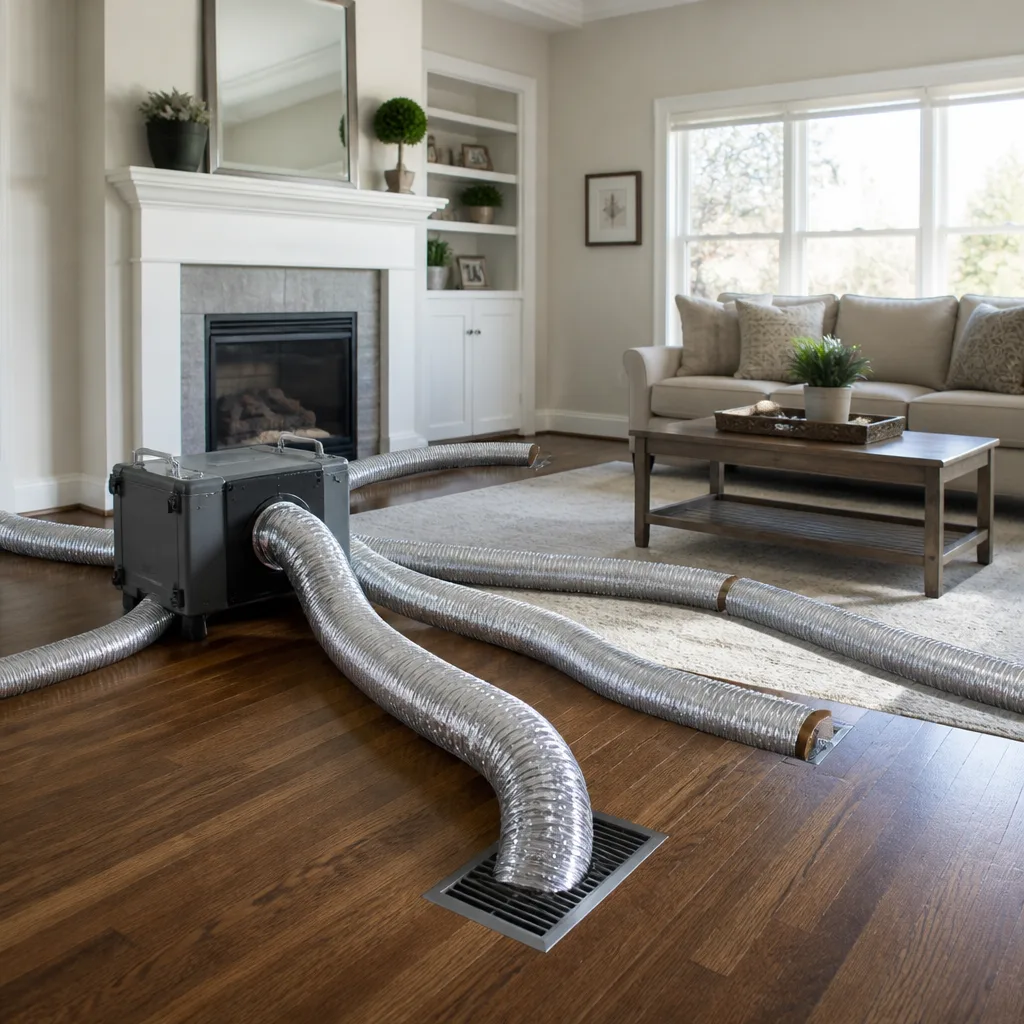 Whole-home duct cleaning
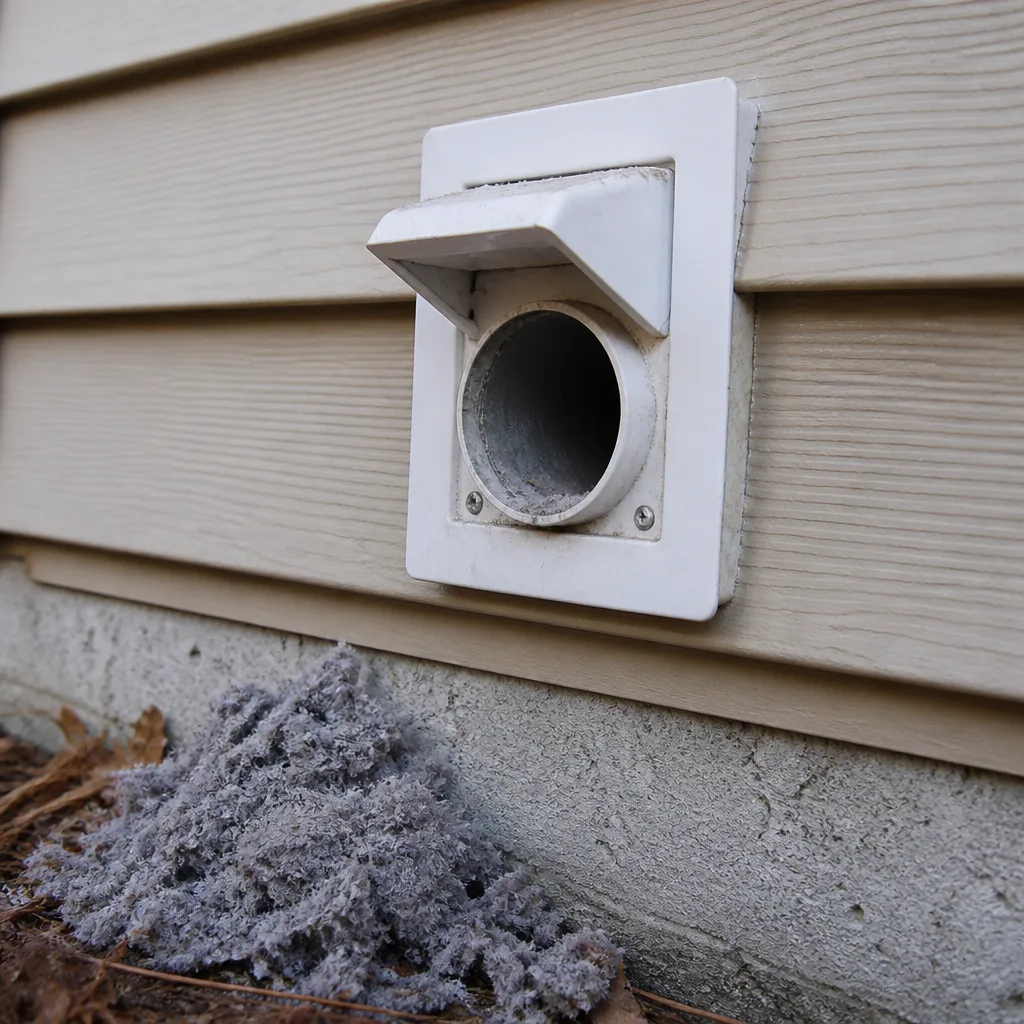 Dryer vent cleaning
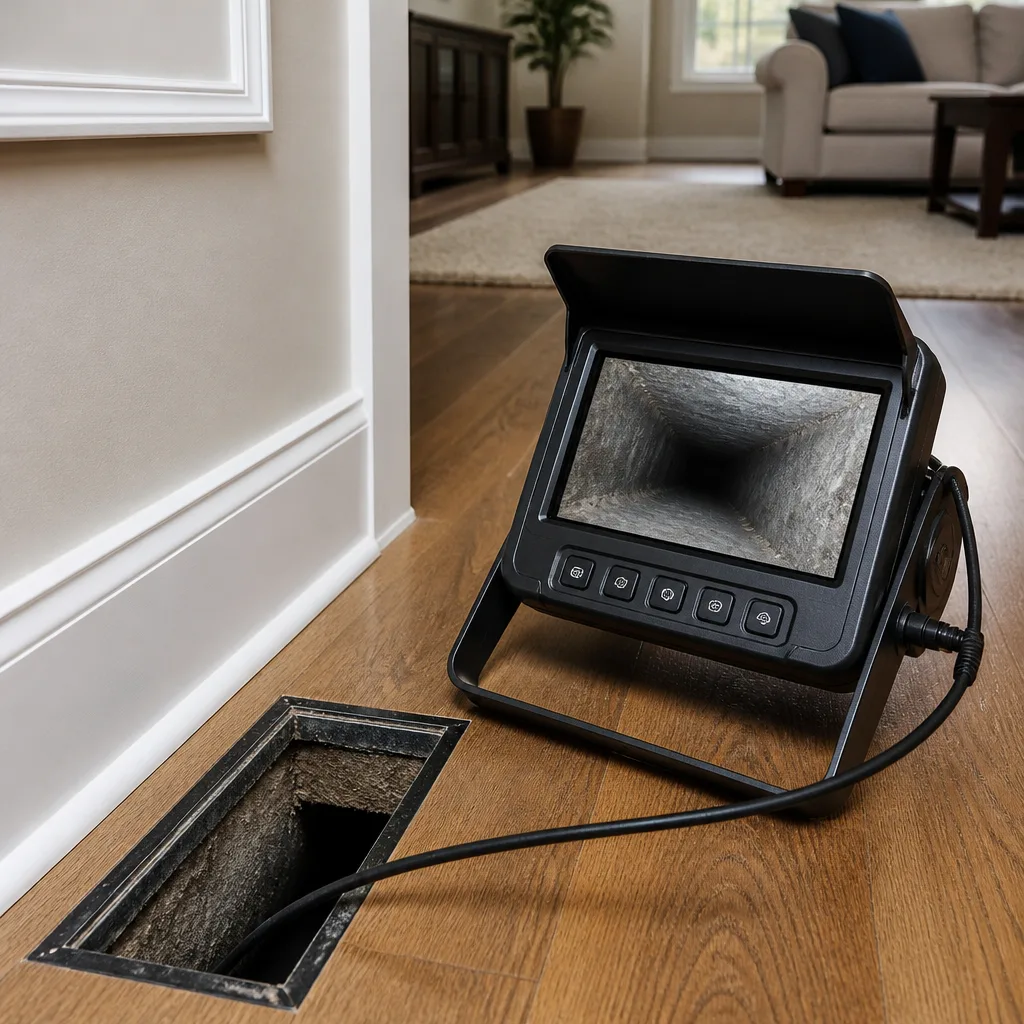 Camera inspection
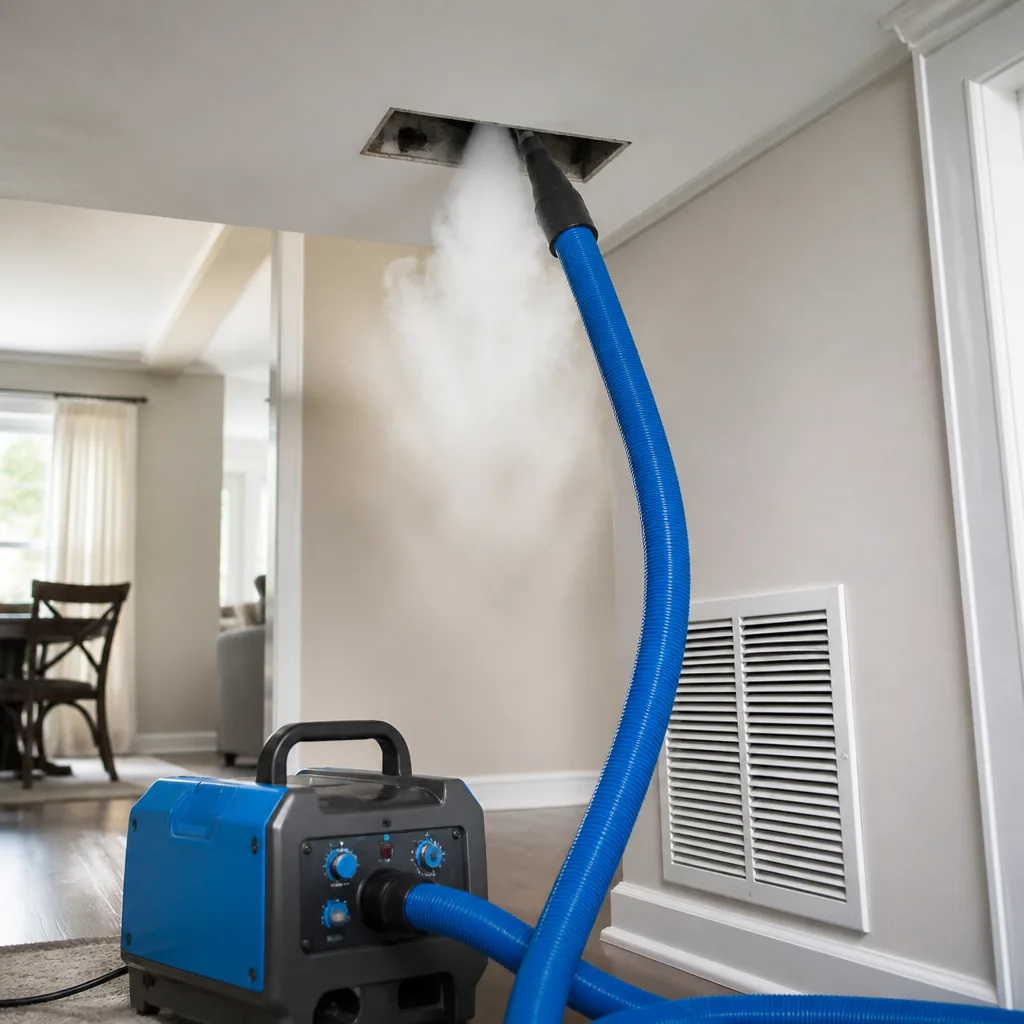 Sanitizing & deodorizing
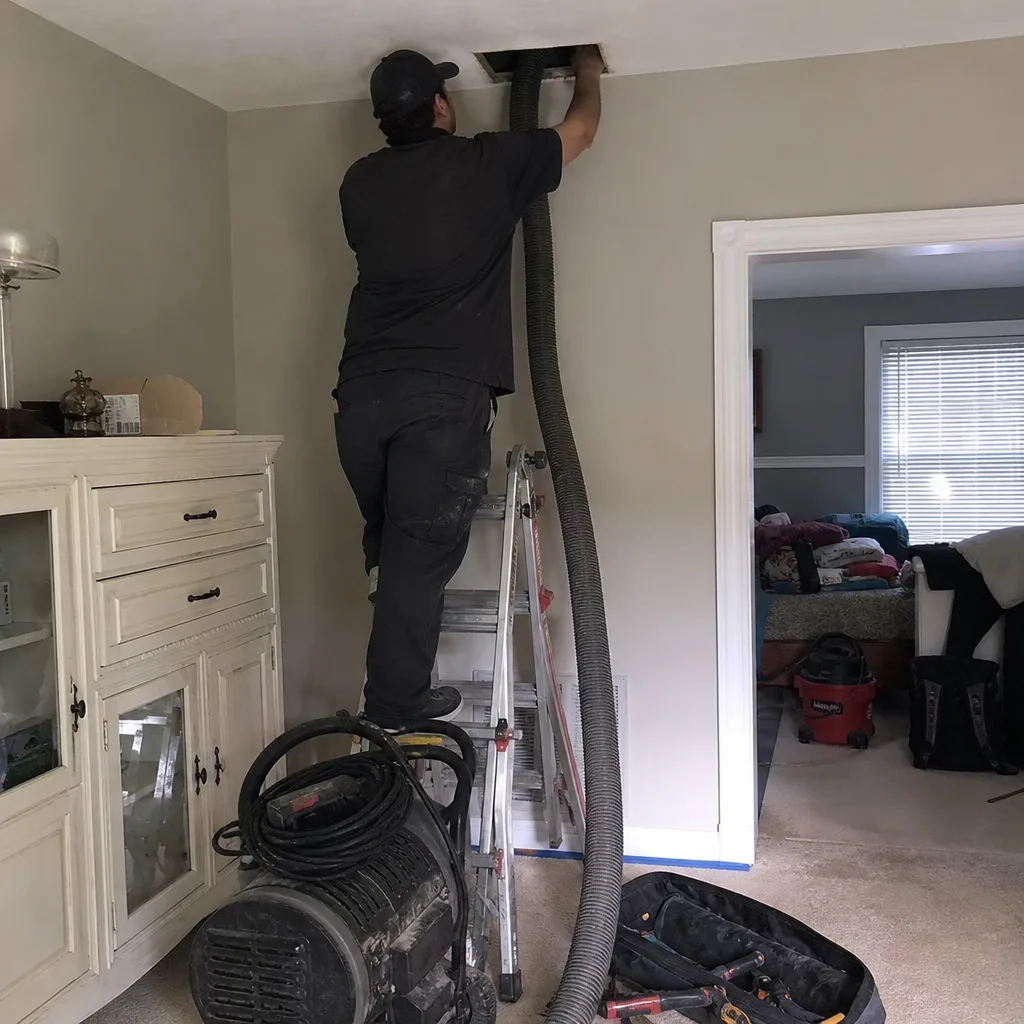
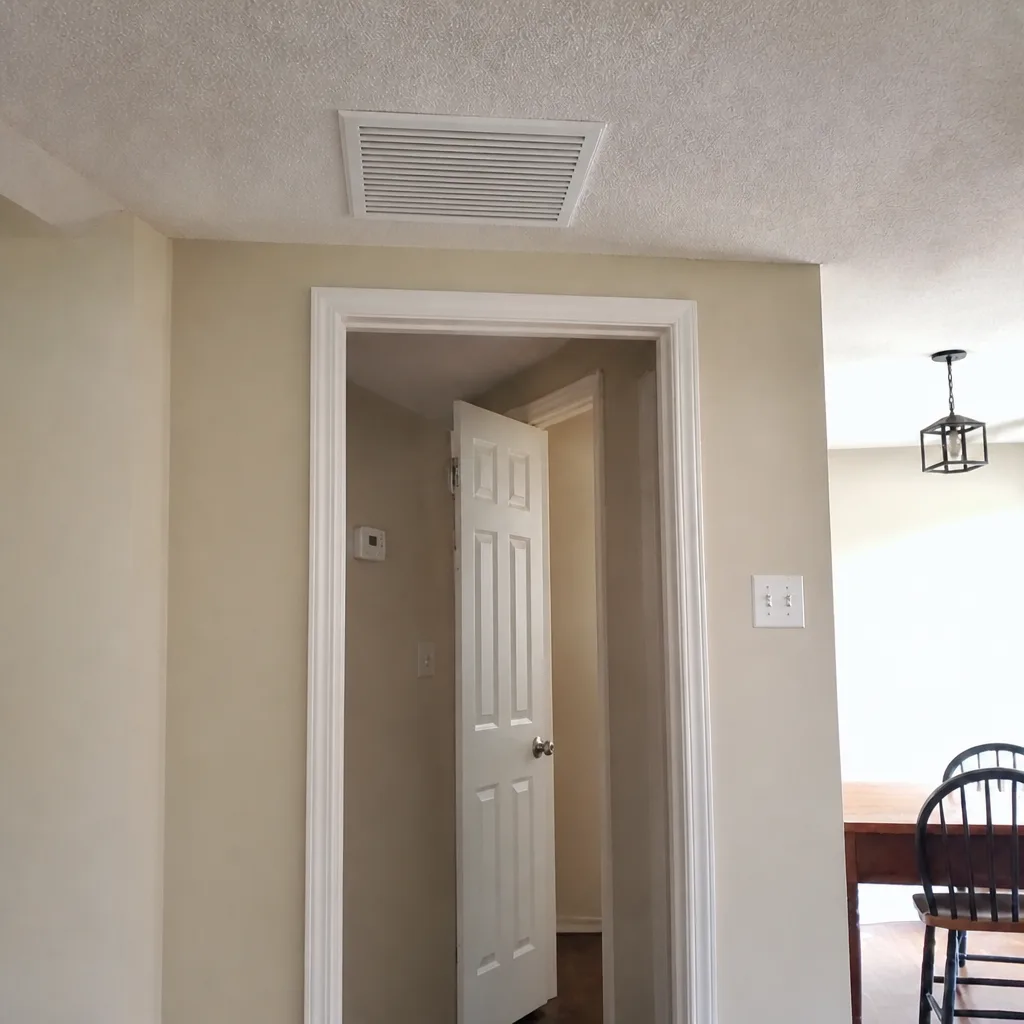
Whole-system duct and dryer vent check with before-and-after photos - you see exactly what came out of your vents
That "$99 whole-house special" is a bait ad - the real number appears once they are in your hallway, or the "clean" is a shop-vac at the register. We photograph the inside of your ducts before and after instead.
Seasonal Air Duct Cleaning Care for Knoxville: Year-Round Homeowner’s Guide
Most homeowners think about their ducts once, when something smells wrong. That’s backwards. Knoxville averages over 50 inches of rain a year and sits in a humid subtropical band, which means your ductwork spends more hours fighting moisture than ducts in Phoenix or Denver ever will. The real schedule isn’t set by the calendar. It’s set by the moment your system flips from heating to cooling and back, because each mode change loads the ducts differently. This guide walks you through all four stress periods, what to inspect at each one, and how to build a 12-month plan where filter changes, visual checks, and professional service calls never collide.
Quick Answer
In Knoxville, air ducts need attention at four transition points a year: the first cooling run in spring, the humid summer stretch, the fall switch to heating, and winter furnace operation. Spring and summer carry the highest condensation risk, fall brings pollen and leaf debris into return air, and winter interacts with combustion byproducts from gas furnaces. A staggered 12-month schedule, with filter changes and visual checks between professional cleanings, keeps the system from becoming a mold incubator.
Styles & brands we work with
- Whole-home duct cleaning
- Dryer vent cleaning
- Camera inspection
- Sanitizing & deodorizing
Table of Contents
- Why Knoxville’s Climate Stresses Ducts Differently
- Spring Transition: The First Cooling Run Is the Riskiest Moment
- Summer Humidity: What It Does to Flex Duct Vapor Barriers
- Fall: Pollen, Leaf Debris, and the Blower Wheel
- Winter: Combustion Byproducts and the Heat Exchanger Question
- Building a 12-Month Duct Care Schedule
- Signs It’s Time for Professional Service
- Why the Whole Air Pathway Matters More Than One Service
Why Knoxville’s Climate Stresses Ducts Differently
Ducts don’t fail from use. They fail from moisture cycling, temperature differentials, and the contaminants each season pushes through the system. Knoxville gets a lot of all three.
The humid subtropical band means summer dew points routinely sit high enough that a cold duct surface in a warm, moisture-heavy crawlspace or attic will sweat. That condensation is the difference between dust that sits harmlessly in a duct and dust that becomes a food source for mold and bacteria. It’s also the reason our technicians treat Knoxville homes with a different inspection checklist than homes in drier climates.
Temperature swings matter too. Knoxville sees real winters and real summers, which means the HVAC system runs hard in both directions. Every mode flip changes the pressure inside the duct run, the temperature of the duct surface, and the kind of particulate that settles in the low points.
- Heating season pushes drier, warmer air and can raise dust circulation from a furnace blower.
- Cooling season introduces cold surfaces and condensation risk, especially on flex duct with compromised vapor barriers.
- Transition weeks in spring and fall are when the system runs intermittently, which is actually the worst time for moisture because ducts don’t stay consistently dry or consistently cold.
Understanding these periods turns duct care from a vague “get it cleaned eventually” chore into a schedule with real checkpoints. That’s what this guide is for.
Spring Transition: The First Cooling Run Is the Riskiest Moment
The single highest-risk moment for duct condensation in a Knoxville home is the first cooling cycle after a winter of heating. Here’s why: during winter, ducts run warm and dry. The moment you switch to air conditioning, cold refrigerant coils and cold supply air hit duct surfaces that have been warm for months. If there’s any moisture in the crawlspace or attic, that cold surface is where it lands.
What to inspect before you flip the thermostat to cool:
- Check the return air filter. A clogged filter from winter restricts airflow, which lowers coil temperature and increases the chance of condensation on the coil and plenum.
- Look at duct insulation in the attic or crawlspace. Sagging, torn, or damp insulation on flex duct is a red flag. If the vapor barrier is compromised, cold air meets humid air and you get condensation inside the jacket.
- Smell the supply registers on the first cool run. A musty odor means moisture has been sitting somewhere in the system over winter.
- Check the condensate drain line from the air handler. If it’s clogged from winter debris, spring cooling will back up water where it doesn’t belong.
- Look at the return grille for dust load. A heavy dust mat on the return grille tells you the system pulled more particulate than the filter could handle over winter.
The spring transition is also when scheduling professional air duct cleaning makes the most sense in Knoxville. Cleaning before the cooling season starts means the system runs its heaviest months with a clean duct run, low particulate load, and fewer condensation surfaces. Do it after spring cleaning, before the first 85-degree week, and the rest of the year runs smoother.
Summer Humidity: What It Does to Flex Duct Vapor Barriers
Most Knoxville homes use flex duct in the attic and crawlspace. Flex duct is a plastic vapor barrier wrapped around insulation wrapped around a wire coil and an inner liner. In a humid summer, that vapor barrier is doing more work than the HVAC system itself.
Here’s the failure mode: if the outer vapor barrier gets a tear, or the tape joint at a collar loosens, warm humid attic air hits the cold inner duct. Moisture condenses on the cold surface. The insulation gets wet. Once wet, insulation loses most of its R-value and stays damp for weeks in a Knoxville summer. Inside the duct run, that’s a mold-growth environment that no amount of filter changing will fix.
What to watch for during summer:
- Damp insulation at flex duct joints. If you can reach the attic or crawlspace, look for dark or sagging insulation where ducts connect to collars.
- Condensation on metal boots and plenums. Sweating on the metal near registers points to a system running colder than the surrounding air can absorb.
- Increased dust at registers. A wet inner duct liner is a dust magnet, and it releases that dust back into the airstream as it dries.
- Musty smell that gets worse on humid days. That’s the signature of a vapor barrier problem, not a filter problem.
This is where HVAC cleaning earns its place in the schedule. Cleaning the air handler, evaporator coil, and blower during a humid Knoxville summer addresses the parts of the system that accumulate the most biological load. Mechanical cleaning alone gets you partway. A sanitizing treatment with a product like Guardsman addresses the microbial layer that scrubbing can’t reach. Both belong on the summer checklist.
Fall: Pollen, Leaf Debris, and the Blower Wheel
Fall in Knoxville brings two things into your duct system that no other season delivers: a heavy pollen load from the late-summer ragweed and grass season, and leaf debris that gets sucked into return air intakes when homeowners open windows during the cooler transition weeks.
The return air system is the vulnerable end. Return grilles pull air from the living space, and if a return is near a window or door that’s open during nice fall afternoons, it pulls unfiltered outdoor air into the return plenum. That pollen and fine leaf litter goes straight to the blower wheel before the filter catches it.
A blower wheel with a layer of pollen and debris loses efficiency. You’ll notice it as weaker airflow, longer run times, and higher energy bills heading into winter. The blower wheel is a curved fin design, and once dust and pollen load into those fins, the balance and airflow drop noticeably.
Fall inspection checklist
- Change the filter at the start of fall, before the heating season begins.
- Inspect the return grilles for leaf debris that’s been pulled in during open-window weeks.
- Check the blower wheel if you can safely access the air handler door – a heavy dust coat on the fins means professional cleaning is due.
- Seal any attic or crawlspace vents that let leaf debris into the duct path.
- Schedule professional service before the heating season starts so the system runs winter with a clean blower and clean supply ducts.
Fall cleaning in Knoxville is best done before the furnace comes on. Once you’re running heat, the blower pushes that pollen and debris through the system all winter, and it settles into heat registers and cold air returns more stubbornly than it would in clean ducts.
Winter: Combustion Byproducts and the Heat Exchanger Question
Winter is when duct care stops being about comfort and starts being about safety. If your Knoxville home has a gas furnace, the system is running combustion inside the air handler, and the heat exchanger separates the flue gases from the air you breathe. When ducts are contaminated, airflow across that heat exchanger drops, and the exchanger runs hotter than it’s designed to. Over time, that’s a crack risk.
The interaction between duct contamination and combustion is one we take seriously. A dust-coated blower wheel pushes less air. Less air means higher heat exchanger temperature. Higher temperature means metal fatigue. Metal fatigue means the possibility of a cracked exchanger, and a cracked exchanger is a carbon monoxide path into your living space.
What winter duct care looks like in a Knoxville home:
- Schedule a combined duct and heat exchanger inspection at the start of heating season. Both should be checked together because they affect each other.
- Change the filter monthly during heavy heating months. Winter filtration matters more than most homeowners realize.
- Check for soot or corrosion at the flue connection. Any sign means a professional needs to look before you keep running the system.
- Watch for a yellow flame at the burner. A steady blue flame is what you want. Yellow or flickering means combustion isn’t clean, and that’s a call-a-professional-right-now signal.
- Confirm carbon monoxide detectors are working in the living area. This is critical and it has nothing to do with duct cleaning’s scope, but it’s the reason duct care matters in a gas-heated home.
Safety note: a cracked heat exchanger or any gas smell is not a DIY situation. Shut the system down, ventilate the space, and call a licensed HVAC professional. We clean and sanitize the air pathway; a licensed technician has to evaluate combustion safety. Those two roles don’t overlap.
Building a 12-Month Duct Care Schedule
The goal of a year-round plan is to stagger filter changes, visual checks, and professional service calls so nothing overlaps and nothing gets skipped. Here’s a schedule that works for most Knoxville homes. Adjust for pets, recent renovations, or allergy-sensitive households, which need more frequent attention.
The 12-month plan
- Late winter (February-March): Change filter, visually inspect return grilles and supply registers for dust load, and confirm the condensate drain line is clear before cooling season. If your household has pets or has had a recent renovation, this is the moment to schedule professional air duct cleaning so the cooling season runs clean.
- Spring transition (April-May): First cooling run – check for musty smells, damp insulation at flex duct joints, and condensation on metal boots. Replace the filter again if it loaded during winter. This is also the moment to schedule HVAC cleaning if the blower or coil shows heavy dust.
- Early summer (June): Visual attic or crawlspace check for torn vapor barriers. Change filter. Any sign of condensation inside flex duct means schedule service before the humidity peaks.
- Peak summer (July-August): Optional sanitizing treatment if a musty smell has developed. Change filter mid-summer if pets or heavy dust load. Confirm the air handler is draining properly.
- Fall transition (September-October): Full duct cleaning if it hasn’t been done in the last 2-3 years. Inspect the blower wheel. Replace the filter for heating season. Check dryer vent cleaning too – fall is a smart time because lint buildup in a dryer vent is a fire risk and it’s easy to forget.
- Early winter (November): Schedule combined duct and heat exchanger inspection. Confirm carbon monoxide detectors are working. Change filter for the heating months.
- Mid-winter (December-January): Monthly filter changes, visual check for soot at the flue, watch for yellow burner flame. No professional service needed unless a red flag appears.
The key to making this work is that filters get changed at natural transition points, and professional service calls land before the season they protect. A cleaning done in the summer protects you through summer. A cleaning done in October protects you through winter. Timing isn’t arbitrary – it’s the whole point.
Signs It’s Time for Professional Service
Some signs mean “check the filter.” Others mean “call for service now.” Here’s how to tell the difference in a Knoxville home.
- Musty smell that comes back within a week of changing the filter. That means the contamination is downstream of the filter, in the ducts, coil, or plenum.
- Visible dust blowing out of supply registers when the system kicks on. Ducts should deliver air, not particulate.
- Rising energy bills with no other explanation. Dirty blower wheel and restricted ducts force longer run times.
- Recent renovation, roof repair, or pest issue. Any of these introduce debris and particulate load beyond what a filter can handle.
- New allergy symptoms that ease when you leave the house. That pattern points at the air system.
- Condensation on flex duct in the attic or crawlspace. This is a request for immediate service, not a “next spring” item.
- A visible dust coat on the blower wheel or coil. Mechanical cleaning is due.
One thing to understand: duct cleaning isn’t a monthly or annual requirement. Homes with pets, occupants with allergies, recent renovations, or older HVAC systems need professional service more often than a home with a clean system and a regular filter habit. The 2-to-3-year interval is a rough baseline, not a rule. If any sign on this list is happening right now, the schedule is telling you something.
Why the Whole Air Pathway Matters More Than One Service
Most duct cleaning services clean the duct run and leave. That misses the parts of the system where contaminants actually start and where they end up. The full air pathway runs from the return grille through the blower and coil, through the supply plenum and ducts, out the registers. And it includes the dryer vent, which is a separate air system but a fire risk in its own right.
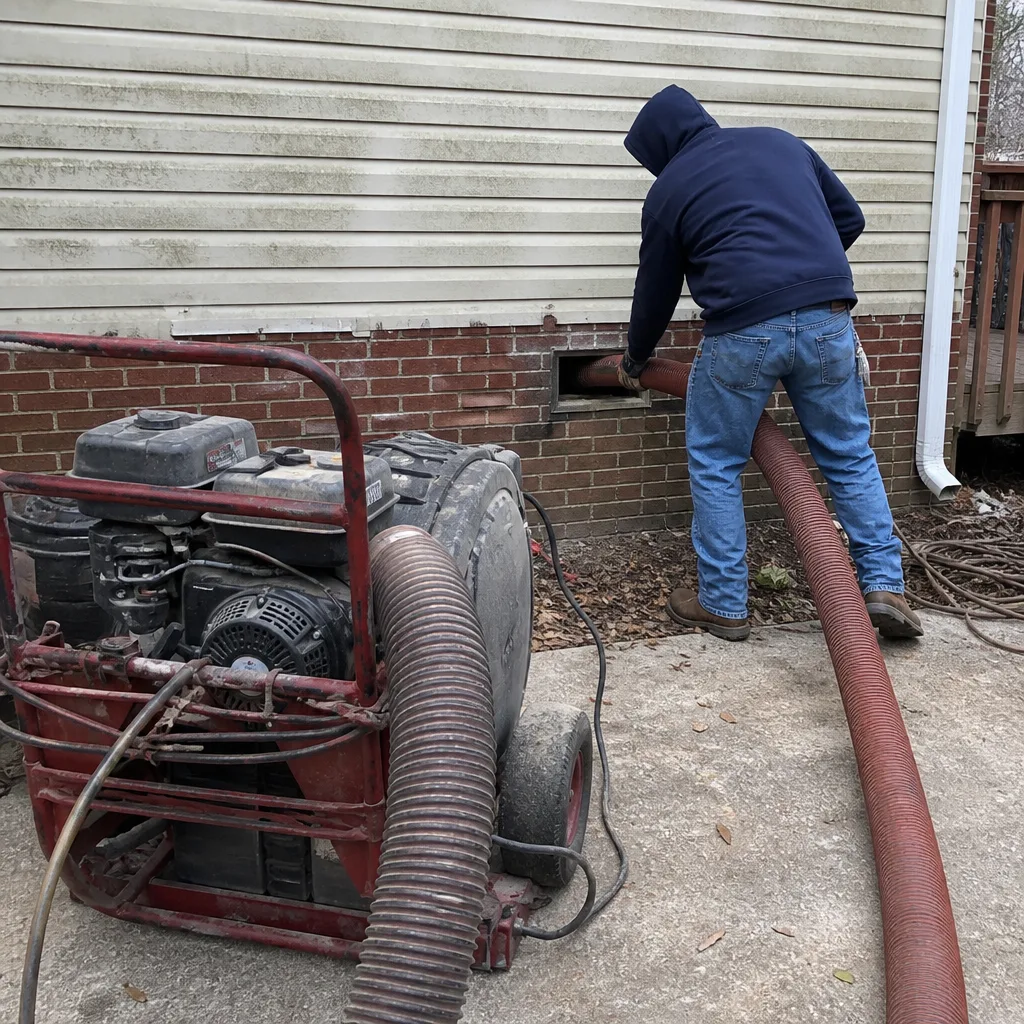
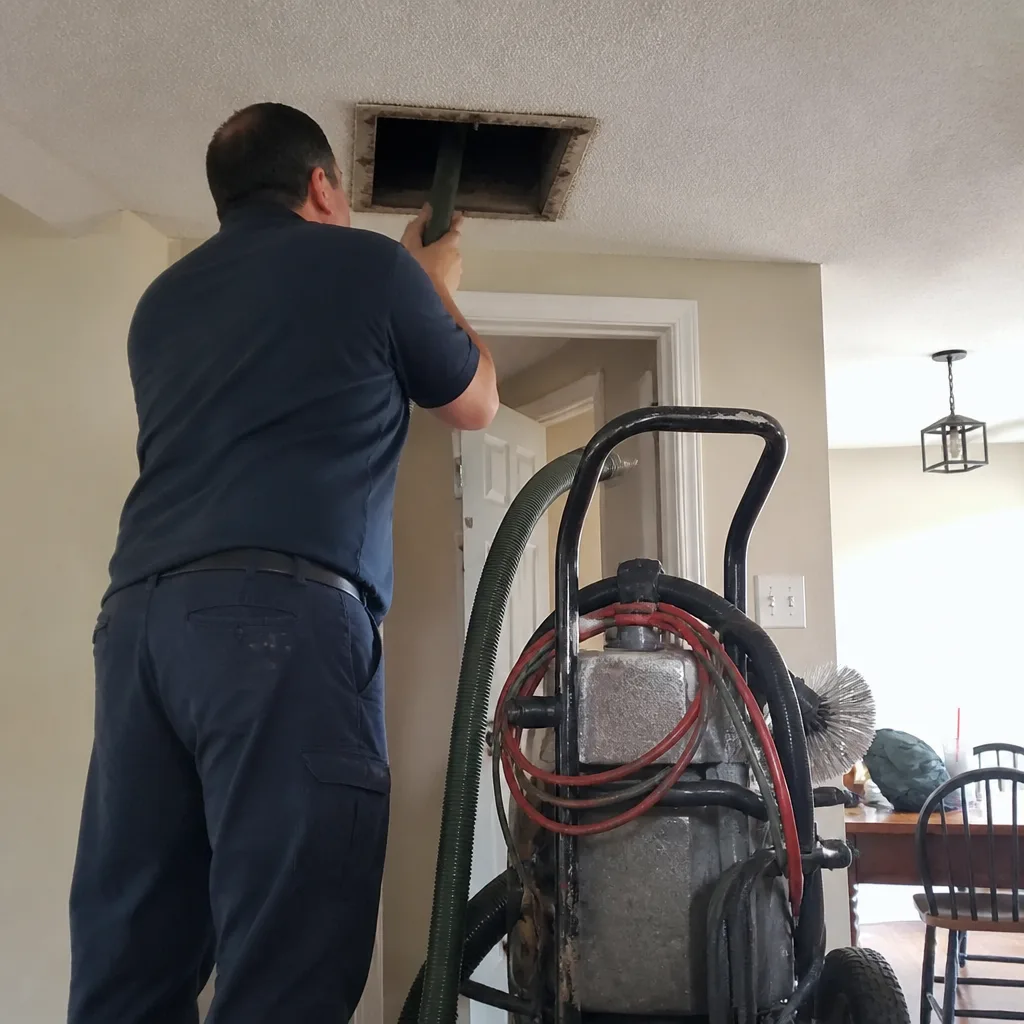
Cleaning the ducts alone with a shop-vac-grade tool doesn’t extract what’s bonded to the duct walls, doesn’t address biological contamination in the plenum, and doesn’t fix a torn vapor barrier that will let the whole problem come back. That’s why our Knoxville service uses equipment from Rotobrush and Nikro, the same professional systems restoration contractors use, and Abatement Technologies air filtration during service to contain what comes out. It’s also why we recommend dryer vent cleaning as part of the annual schedule – not as an upsell, but because a blocked dryer vent is a different failure mode that most duct cleaning services don’t touch.
Clean it, seal it, improve it
There’s a natural arc to whole-system care. First, clean it – ducts, HVAC components, dryer vent, all of the air pathway. Second, seal it – if the duct system has leaks or compromised vapor barriers, the cleaning is only as good as the system’s integrity. Duct Repair & Sealing closes that loop. Third, improve it – after cleaning and sealing, whole-home filtration is a meaningful upgrade, and that’s where Aprilaire and Honeywell solutions come in. Honeywell and Aprilaire media filters capture finer particulate than a standard 1-inch filter can, and they belong in a home that’s already clean, not one that’s still contaminated.
That full arc is why we treat duct cleaning as the main event rather than an add-on. A company that only does one piece of the pathway can only fix one symptom.
Common Mistakes to Avoid
- Cleaning ducts in the middle of summer without checking the vapor barrier first. If the flex duct insulation has a tear, cleaning it and running it through peak humidity means the condensation problem returns within weeks. Fix the barrier first, then clean.
- Relying on the filter change alone. Filters catch what reaches them. Contamination downstream of the filter, in the blower, coil, or plenum, keeps circulating no matter how often you swap the filter.
- Switching to cooling mode in spring without checking the condensate drain. A clogged drain line from winter debris is one of the most common causes of water damage in a Knoxville air handler, and it’s completely preventable.
- Ignoring a blower wheel coated in pollen after fall. A loaded blower wheel runs hot and moves less air. It’s a short step from there to higher bills and, on a gas furnace, higher heat exchanger risk.
- Skipping the heat exchanger inspection because the duct cleaning was done in fall. Duct cleaning and combustion safety are separate evaluations, and one doesn’t replace the other.
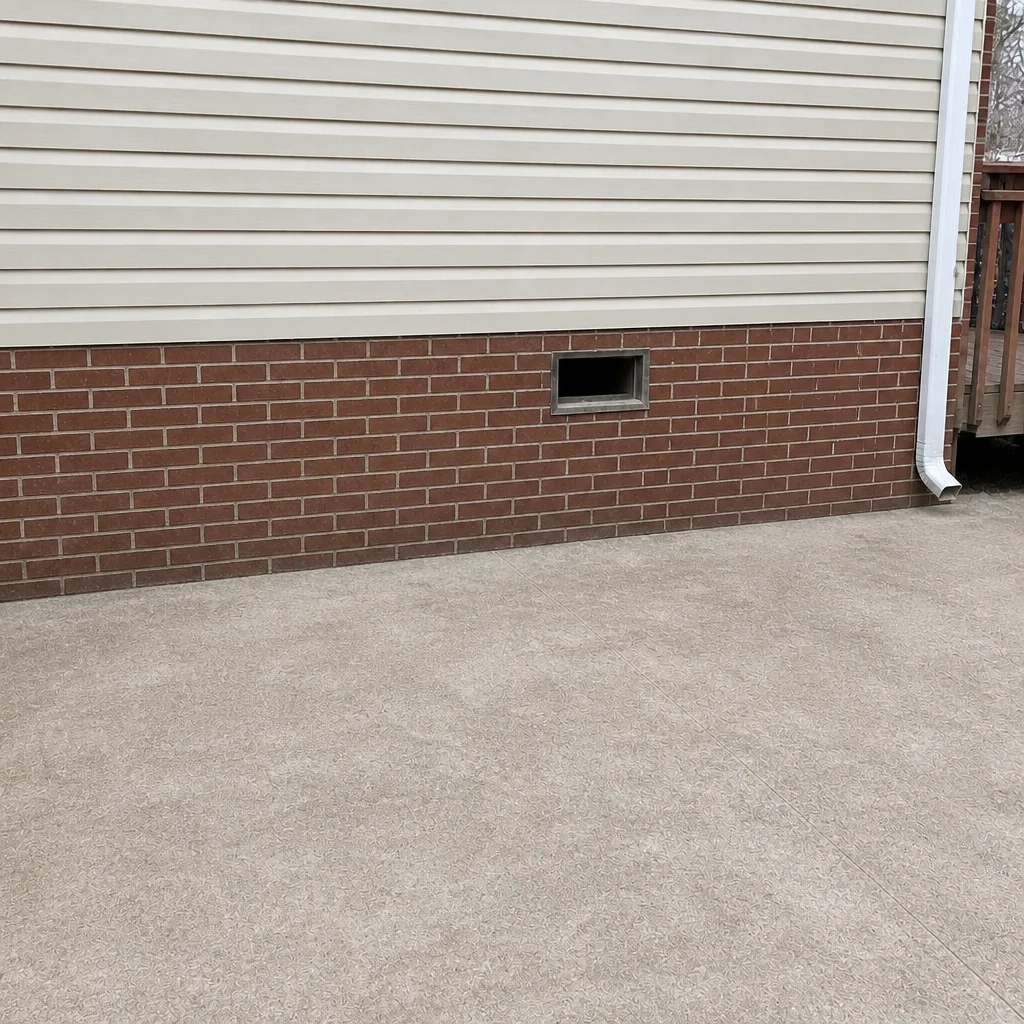
- Treating dryer vent cleaning as optional. It sits on the same yearly schedule because a lint-loaded vent is a fire risk, and it’s the kind of thing that’s easy to forget for years.
- Assuming a coupon price from a shop-vac operation is going to hold. The duct cleaning industry has a bait-and-switch reputation for a reason. One flat price per system, agreed in writing before work starts, with before-and-after photos of the actual ducts, is the standard to hold a company to.
See the difference
 Before
 After
 Before
 After
 Before
 After
When to Call a Professional
You should call a professional for duct service when the signs point downstream of the filter: a musty smell that survives filter changes, visible dust blowing from supply registers, condensation on flex duct, a blower wheel with a visible dust coat, or an unexplained jump in energy bills. The same applies after a renovation, a roof repair, or a pest issue, all of which introduce particulate load a filter can’t manage. If your Knoxville home is on a 2-to-3-year cleaning interval, spring and fall are the natural scheduling windows because they sit before the seasons that matter. If any sign of a compromised heat exchanger or a gas smell appears, stop using the system and call a licensed HVAC professional for combustion evaluation – that’s a separate and urgent call. Knoxville Air Duct Cleaning Co offers free estimates in Knoxville – call (888) 881-9239.
Frequently Asked Questions
Every 2 to 3 years is a reasonable baseline for most Knoxville homes, with more frequent service if you have pets, allergy-sensitive occupants, a recent renovation, or an older HVAC system. The right interval is really a function of how the system loads, and a humid climate loads ductwork faster than a dry one because of the moisture cycling.
The first cooling cycle after a winter of heating creates the conditions for condensation inside the duct system. Cold supply air hits duct surfaces that have been warm for months, and if there’s moisture in the attic or crawlspace, that cold surface is where it lands. The risk compounds if the filter is clogged or the condensate line is backed up.
No. A shop vac pulls surface dust but doesn’t extract what’s bonded to the duct walls, doesn’t address contamination in the plenum, blower, or coil, and doesn’t have the air-handler containment that a professional setup uses. The difference between a shop vac and a Rotobrush or Nikro system is one of process and containment, not power.
Humidity is the biggest reason duct care matters in Knoxville. It attacks the vapor barrier on flex duct, condenses on cold surfaces, and keeps any wet insulation in the run damp for weeks. Once that happens, the duct interior becomes a mold and bacteria environment that mechanical cleaning alone won’t fully resolve.
Yes. A gas furnace adds a combustion safety layer to the schedule because contaminated ducts raise heat exchanger temperatures. That’s why we recommend a combined duct and heat exchanger inspection at the start of heating season, not duct cleaning alone. A licensed HVAC technician handles the combustion safety evaluation.
Ask for before-and-after photos of your own ducts, not stock images from the last job. A flat price per system, agreed in writing before work starts, plus documentation of what came out of your duct run, is the standard to expect. If a company can’t provide both, that’s a reason to look elsewhere.
The Bottom Line
Knoxville’s duct stress isn’t a temperature story – it’s a moisture and cycling story. Spring carries the highest condensation risk, summer tests the vapor barriers on flex duct, fall loads the return air system with pollen and debris, and winter brings combustion safety into the conversation. A 12-month schedule staggered around those four transition periods, with filter changes at natural seasonal boundaries and professional service calls scheduled ahead of the season they protect, keeps the system from becoming a mold incubator between visits. When the signs point downstream of the filter, that’s the call to make. Call (888) 881-9239. We answer 24/7. Fast dispatch from 7am to 7pm, Sunday through Friday.
Written by the team at Knoxville Air Duct Cleaning Co.