
Last updated November 25, 2026
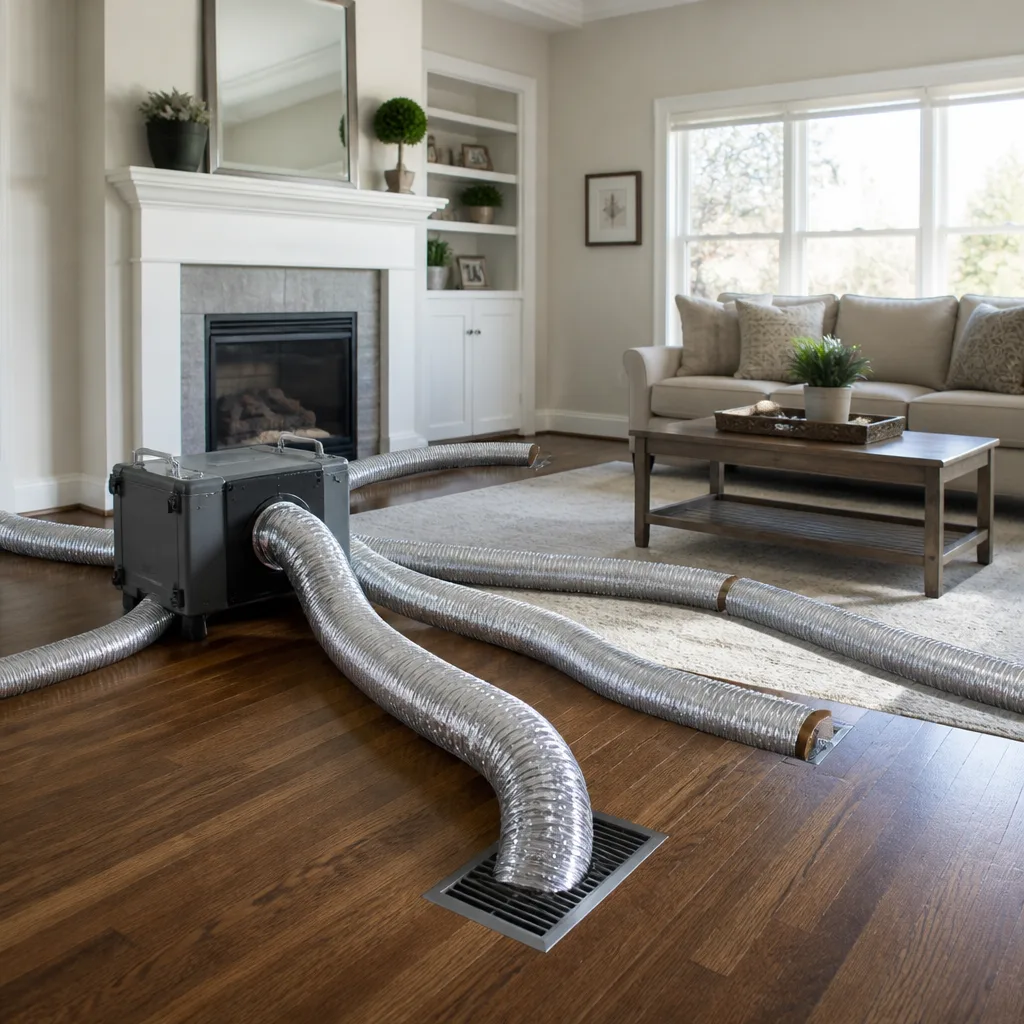 Whole-home duct cleaning
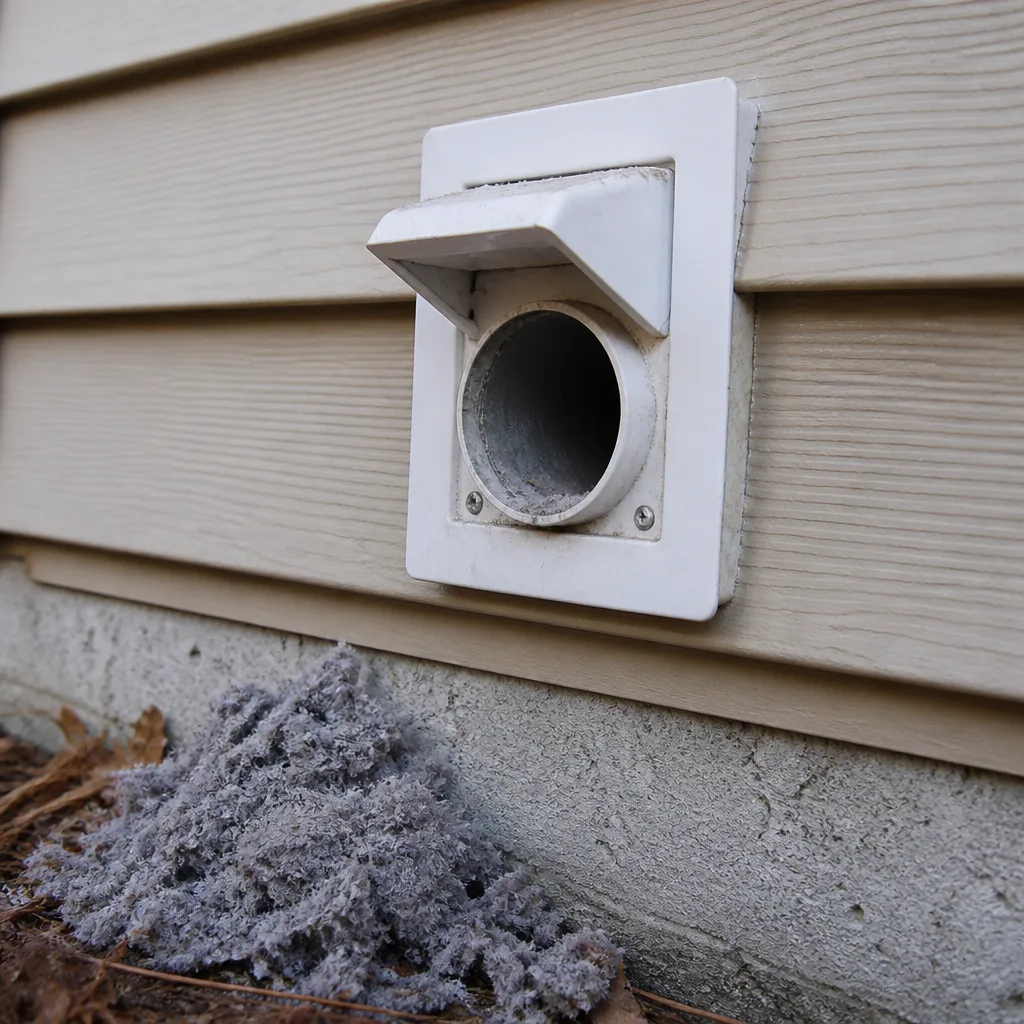 Dryer vent cleaning
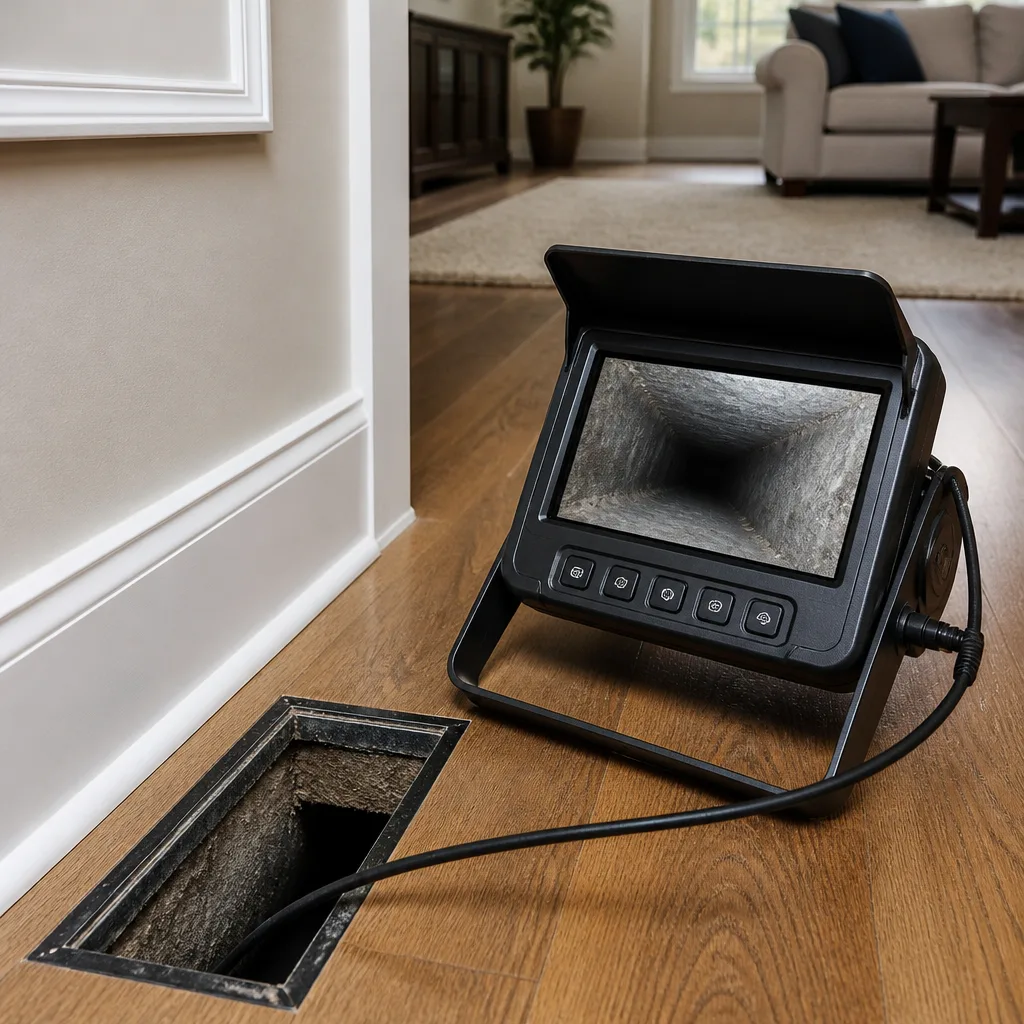 Camera inspection
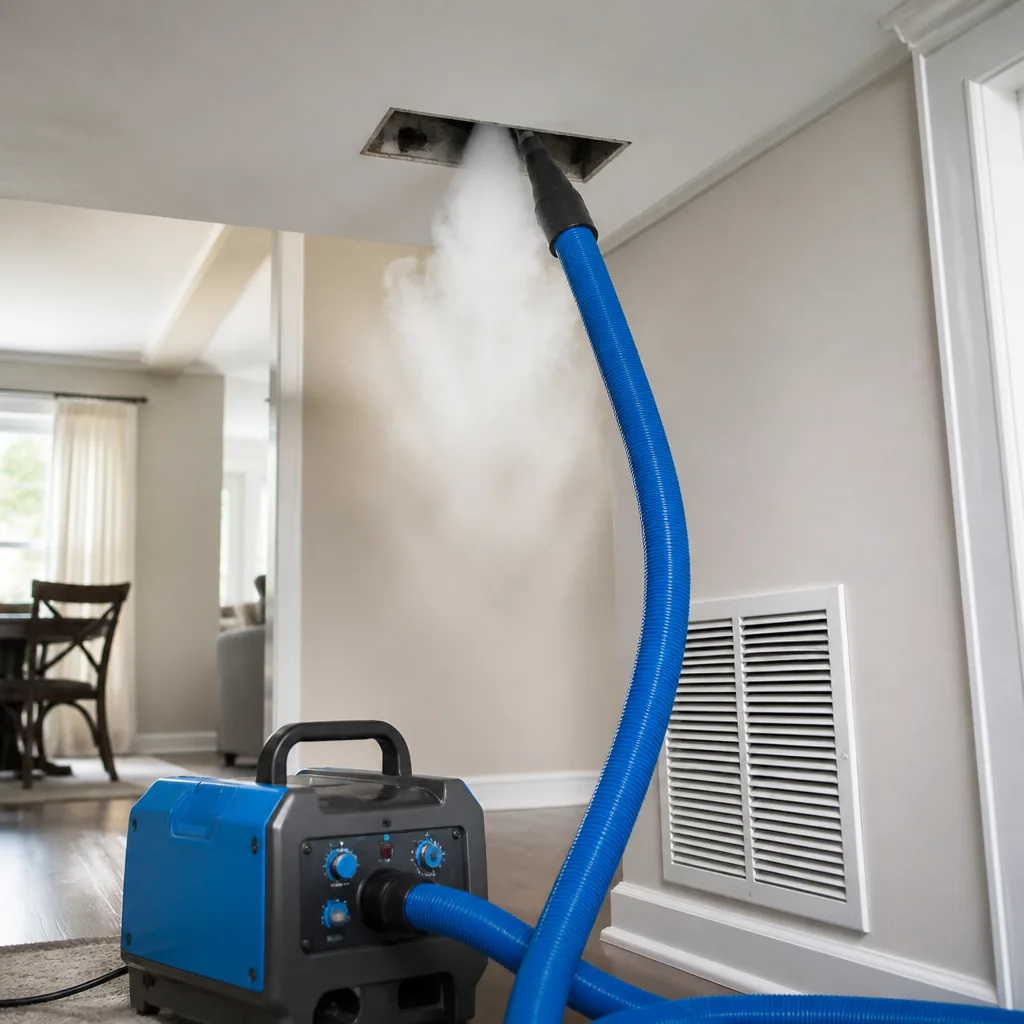 Sanitizing & deodorizing
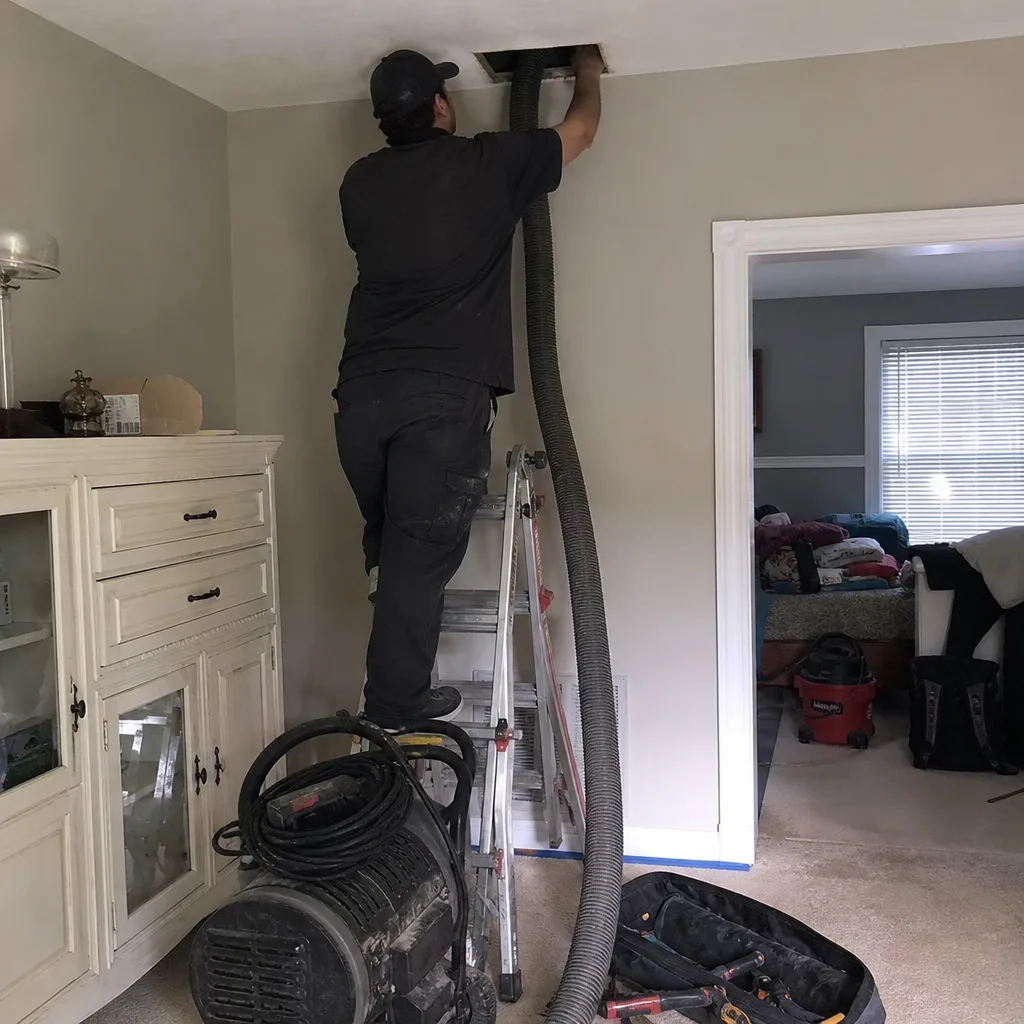
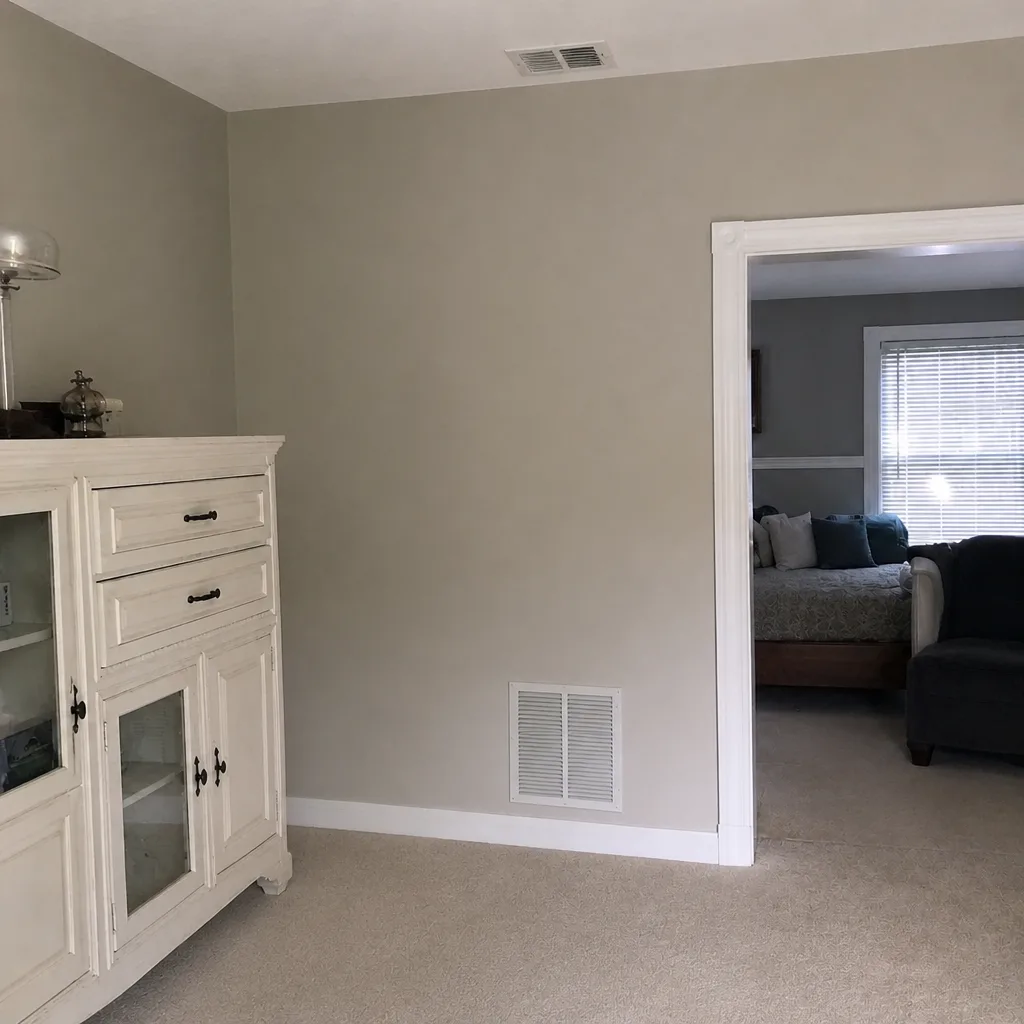
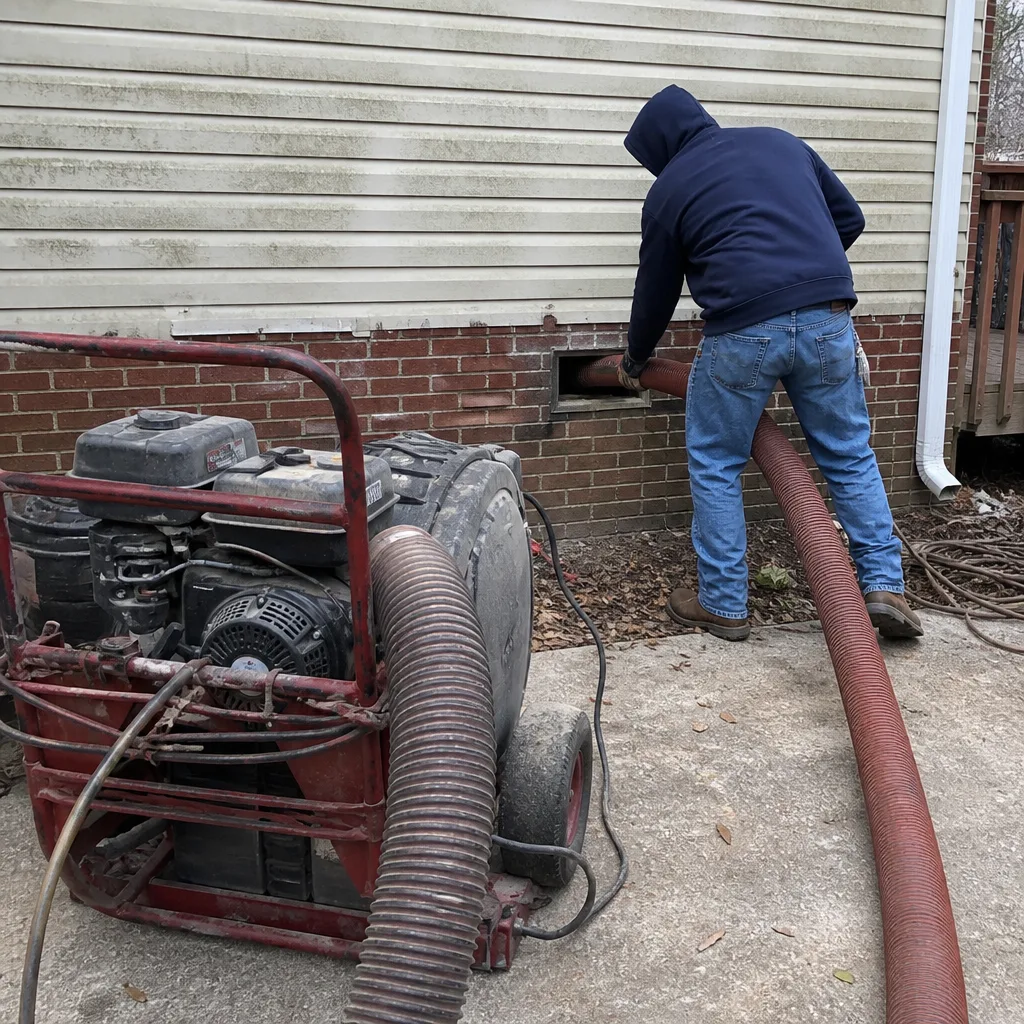
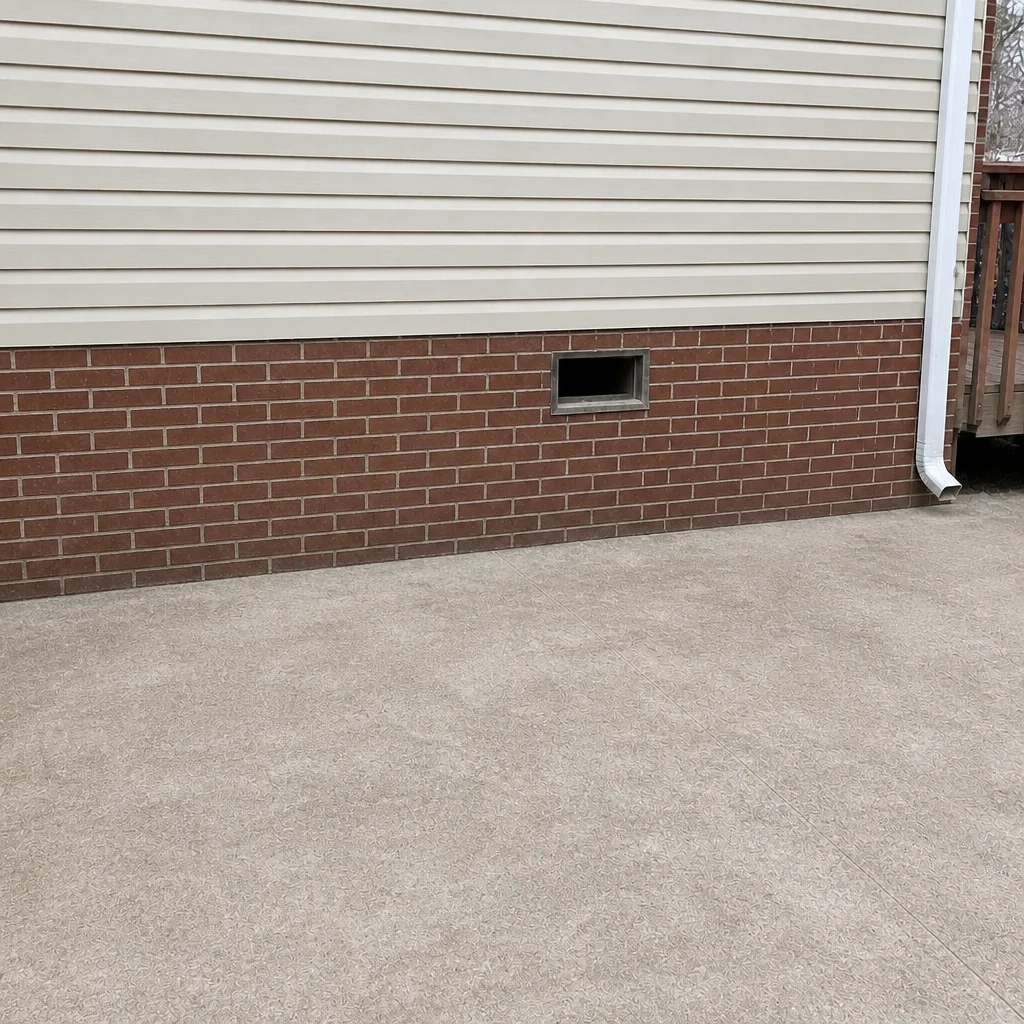
Whole-system duct and dryer vent check with before-and-after photos - you see exactly what came out of your vents
That "$99 whole-house special" is a bait ad - the real number appears once they are in your hallway, or the "clean" is a shop-vac at the register. We photograph the inside of your ducts before and after instead.
DIY vs Professional Air Duct Cleaning: The Knoxville Homeowner’s Decision Guide
Most homeowners assume duct cleaning is a size decision: how dirty the ducts are, how much time they have, how much they want to spend. In our experience, it’s a physics decision. A shop vac and a dryer vent brush can clean a register face, and that’s a real job worth doing. What those tools cannot do is create the negative pressure differential that pulls dislodged debris toward an extraction point. Loosen something in a duct run and the blower pushes part of it deeper into the system the moment the HVAC cycles back on. This guide explains where that line sits, what you can genuinely handle yourself in a Knoxville home, and when professional work earns its cost.
Quick Answer
DIY air duct cleaning works for surface items only: register covers, return air grilles, filter changes, and dryer vent visual checks. It does not work for the inside of the duct runs, because household vacuums can’t generate the airflow and negative pressure needed to capture debris rather than redistribute it. For a Knoxville home with allergies, a recent renovation, a water event, or visible mold, professional cleaning with remediation-grade containment delivers something DIY physically cannot. Call (888) 881-9239 for a free estimate.
Styles & brands we work with
- Whole-home duct cleaning
- Dryer vent cleaning
- Camera inspection
- Sanitizing & deodorizing
Table of Contents
- The Physics Problem: Why Negative Pressure Is the Whole Game
- What You Can Legitimately Do Yourself in Knoxville
- Where DIY Attempts Cause Real Damage
- Cost-Benefit for Knoxville Homes: When Cleaning Has Real ROI
- Knoxville Climate, Older Housing, and What It Does to Ducts
- How to Prepare for a Professional Visit
- What to Ask Before You Hire Anyone
- Common Mistakes to Avoid
The Physics Problem: Why Negative Pressure Is the Whole Game
Air duct cleaning is a containment job disguised as a vacuuming job. The debris sitting inside a duct run is light: dust, skin cells, pet dander, fiberglass particles, dried construction dust. Disturb it with a brush or a wand and it goes airborne. Whether it ends up in a collection filter or in your living room depends entirely on whether the equipment is creating negative pressure in the duct system while the work happens.
Professional duct cleaning equipment is rated for airflow in cubic feet per minute, and the ratings exist for a reason. A machine has to move enough air volume to keep a continuous current pulling toward the extraction point. Static pressure ratings matter just as much: the pressure differential between the duct interior and the room is what stops debris from escaping at every seam, register, and access hole. Take that differential away and the debris just drifts.
A household shop vac moves a fraction of that air volume and creates almost no meaningful differential across a duct run. That’s not a knock on the tool. It’s a different machine built for a different job. What a shop vac does well is lift debris from a flat surface a few inches away. What it can’t do is hold a 20-foot flex run under negative pressure while a brush works the far end.
This is why the equipment standard in this trade is professional-grade rather than consumer-grade. Our crews work with Rotobrush and Nikro systems, backed by Abatement Technologies air filtration on site during service. Abatement is remediation-level containment equipment, the same class of gear used after water damage and mold events. It’s there because the standard isn’t “remove visible debris.” The standard is “capture what gets loosened and keep it out of the air you’re breathing while we work.”
Once you understand that, the DIY question isn’t “am I willing to spend the time?” It’s “can I generate the airflow and pressure that keep dislodged debris in the duct instead of in the room?” For most Knoxville homes, the honest answer is no, and no amount of effort changes the answer.
What You Can Legitimately Do Yourself in Knoxville
Plenty of routine air pathway maintenance belongs in homeowner hands. These tasks are low-risk, genuinely useful, and worth doing between professional visits. Here’s how to do each one properly.
1. Clean the register covers and return air grilles
- Turn the HVAC system off at the thermostat so the blower doesn’t pull dust as you work.
- Remove the register cover or return grille. Most are held by two screws or simple friction clips.
- Wash the cover in a sink or tub with warm water and a few drops of dish soap. Dry it fully before reinstalling.
- Wipe the frame and the immediate duct throat with a damp microfiber cloth. Don’t reach deep into the run.
- Reinstall and turn the system back on.
This removes the visible dust layer that coats the face of every grille in a Knoxville home. It does nothing for the duct interior, and it isn’t meant to.
2. Change the filter on schedule
Filter changes are the single highest-value DIY task in the air pathway. Check the filter monthly during heavy-use seasons and replace it according to the manufacturer’s guidance for your filter’s rating. A clogged filter raises static pressure in the system, which makes the blower work harder and reduces airflow to the rooms that need it most.
3. Do a visual dryer vent check
Pull the dryer out far enough to see the vent connection at the back. Look for crushed flex duct, kinks, or a run that’s been pinched behind the appliance. Check the exterior vent flap to confirm it opens and closes freely when the dryer runs. If the flap doesn’t move, call for professional dryer vent cleaning before running the dryer again. Lint buildup is a genuine fire risk, and the inside of a long vent run cannot be inspected properly from either end. That’s the limit of what you should do yourself here.
4. Wash return air grille faces on a schedule
Return grilles collect more dust than supply registers because they pull air in rather than push it out. Washing them every few months keeps visible dust down and makes it easier to notice when the problem is worse than surface level.
None of these tasks damages anything. All of them help. None of them clean the inside of a duct run.
Where DIY Attempts Cause Real Damage
The failure mode of DIY duct cleaning isn’t usually a dirty house. It’s damaged ductwork that costs more to fix than the cleaning would have. In our experience, three specific problems come up repeatedly.
Flex duct puncture from stiff brushes
Flex duct is a plastic inner liner wrapped in insulation and an outer jacket. Stiff brushes pushed through a register throat can tear the inner liner or puncture the jacket. Once the liner is torn, air bypasses the intended path, and once the jacket is damaged, insulation becomes exposed to the airstream. Both are repair jobs, not cleaning jobs.
Vapor barrier separation from improper access
Getting a vacuum wand into a duct run usually means cutting an access hole. Cut one in the wrong place, or fail to reseal it properly afterward, and you’ve opened the duct to your attic or crawlspace. In a Knoxville home with a crawlspace system, a poorly sealed access hole pulls humid crawlspace air directly into the supply path. That’s a bigger problem than the dust you started with.
Dislodged duct board liner
Older duct board is a rigid fiberglass product with a facing that can delaminate over time. Brushing or agitating duct board from inside can break the facing loose and send fiberglass fragments downstream into the system. No homeowner should be agitating duct board without knowing its condition first, and that means a camera inspection, not a flashlight through a register.
Every one of these failures is fixable. Our Knoxville Air Duct Cleaning Co team handles duct repair and sealing as part of the full air pathway service, which is the natural follow-up after a damaged DIY attempt. The point here isn’t that we enjoy fixing mistakes. It’s that cleaning is only as effective as the duct system is intact, and a torn liner or a broken seal undoes the work.
Cost-Benefit for Knoxville Homes: When Cleaning Has Real ROI
Duct cleaning isn’t a universal annual purchase. For some Knoxville homes it’s genuinely worthwhile. For others it’s elective maintenance, valuable but skippable for a year or two without harm. Here’s how to tell which side of that line your house is on.
When professional cleaning has measurable ROI
- Post-renovation. Drywall dust, sawdust, and construction debris settle into every duct run in a house that’s been remodeled. Cleaning after the last coat of paint and before the family moves back in captures that material before it’s recirculated.
- Post-water event. If a pipe burst, a supply line failed, or a crawlspace took on water, the duct system may have been exposed to humidity at levels that support microbial growth. Cleaning with remediation-level containment and an antimicrobial treatment (we use Guardsman) is standard practice after this kind of event.
- Documented mold. Visible mold on a register, musty odor that returns after cleaning the grille faces, or a mold finding from an inspection are all reasons to bring in professional equipment. Mechanical cleaning alone doesn’t address the contamination.
- High-occupancy allergy households. If someone in the home has a diagnosed respiratory condition, reducing airborne particulate through a proper cleaning and filtration upgrade makes a physical difference in what they’re breathing.
When cleaning is elective
- Routine maintenance on a clean system. If there’s no evidence of buildup and no triggering event, waiting another year is reasonable.
- Newer construction with clean ductwork. A house built recently, with no renovation since, usually needs less attention than an older home with a long service history.
- Before selling or after buying. Cleaning before a move-in is worth considering, but it’s not urgent unless an inspection flags a specific issue.
We quote per job by written estimate rather than by the register, so the range depends on the size of the system, the number of runs, and the condition found on arrival. The estimate sets the price. It doesn’t move once work begins. Our technicians have up to 10 years of experience, and part of that experience is telling homeowners honestly when the work isn’t needed yet.
Knoxville Climate, Older Housing, and What It Does to Ducts
Knoxville’s humidity is the single biggest factor in how a duct system ages here. Summer dewpoints in the Tennessee Valley stay high through long stretches, and that moisture load interacts with the ductwork in ways that a dry-climate homeowner never has to think about.
Start with the housing stock. Knoxville and the surrounding neighborhoods, from Sequoyah Hills to Fountain City to the older streets in Bearden, contain a lot of homes with crawlspace-mounted duct systems. A crawlspace that’s vented to the outdoors pulls humid summer air underneath the house. If the duct jacket has any compromise (a small tear, a loose seam, a poorly taped joint), that humid air gets drawn into the supply path. Cool supply air meets humid crawlspace air and the result is condensation. Condensation on duct surfaces is exactly the condition mold needs.
Older homes also tend to have original metal ductwork with more joints and seams than modern installations. Every joint is a place where air leaks and where dust collects. Sealing isn’t cosmetic in a Knoxville house. It closes the paths that pull unconditioned air into the system year-round.
Then there’s the shoulder-season problem: Knoxville’s spring and fall swing between heating and cooling on short notice, so systems cycle frequently and pull more air through the ductwork than a stable-season climate would. More air movement means more opportunity for dust to accumulate at seams, joints, and the return plenum. That’s not a reason to panic. It’s a reason to inspect the return plenum and the worst-performing rooms before you assume the problem is whole-house.
One more local detail: the area’s pollen load. Knoxville sits in a valley with heavy tree cover, and spring pollen is a real presence in the air. A duct system that’s pulling from a compromised crawlspace is pulling pollen-laden outdoor air into the living space. Sealing and cleaning together close that loop. Cleaning without sealing just reopens it the next time the system runs.
How to Prepare for a Professional Visit
Preparation is the difference between a professional visit that gets everything done in one pass and one that leaves half the system untouched because a technician couldn’t reach it. Here’s what a homeowner can do before the crew arrives to maximize the value of the visit.
Clear access to every component
- Move furniture away from all supply registers and return grilles. Leave at least two feet of clearance.
- Clear the path to the air handler or furnace, including the closet or utility room where it sits.
- If there’s an attic access panel, clear the floor beneath it and make sure the ladder or hatch opens freely.
- Move anything blocking the crawlspace access door.
Document the problem areas
Walk through the house and note which rooms feel weakest: the bedroom that never cools, the hallway with the persistent musty smell, the register with the dust ring that comes back within a week of cleaning. Write them down. The technician will ask, and specific answers make the diagnosis faster and more accurate.
Note recent history
Tell the technician about any renovation in the last two years, any water intrusion, any pest activity in the attic or crawlspace, and any recent filter neglect. Each of these changes how the work gets prioritized.
Know what to expect on-site
Professional work means containment equipment going in before any cleaning starts. Abatement Technologies filtration units, negative pressure maintained throughout, and access points cut and resealed properly. Before work begins, confirm the flat price for the system, and expect before-and-after photos of your own ducts as part of the job. Photos aren’t a courtesy. They’re the record of what was actually done.
Our full scope includes HVAC cleaning alongside duct work, which matters because cleaning a duct system while leaving the air handler and coil untouched leaves a dust source inside the loop. One visit to the whole pathway is more useful than two visits to two pieces.
What to Ask Before You Hire Anyone
The duct cleaning trade has a bait-and-switch reputation, and it earned it. The classic pattern is a low advertised price that becomes a much larger invoice once the technician is on site. A homeowner who asks the right questions before booking avoids that entirely.
- “Is the price per system or per register?” A per-register quote can climb fast in a house with 15 supply runs. A single flat price for the whole system agreed before work starts is the fair structure.
- “What containment equipment is going on-site?” If the answer is “a big vacuum,” ask what the vacuum is rated for. Professional-grade equipment from brands like Rotobrush and Nikro is a specific, verifiable answer.
- “Will I get before-and-after photos?” Photos of your own ducts are the only record that the work happened inside the system.
- “What happens if you find damage?” A crew that also does duct repair and sealing can address what they find. A crew that can only vacuum will tell you it’s someone else’s problem.
- “What’s your filter and filtration standard?” Abatement Technologies containment and Aprilaire or Honeywell filtration are answers you can check, not general claims.
- “Is the price written down?” The written estimate sets the final price. Any company that won’t put it in writing before work starts is telling you something.
Our full service lineup is on the air duct cleaning page, which is the right starting point if you want to see what’s included before you call.
Common Mistakes to Avoid
- Trying to reach into a supply run with a shop vac hose. The hose can catch on a seam and tear the liner, and the vacuum won’t capture what it loosens. Both failure modes cost more than a professional visit.
- Assuming the dryer vent is fine because the dryer still runs. A dryer will run with a partial lint blockage. The exterior flap not opening freely is the clue. If the flap doesn’t swing, stop using the dryer and get the vent checked.
- Cutting an access hole without a plan to reseal it. Any hole a homeowner cuts needs proper tape and mastic afterward. A loose piece of duct tape over a crawlspace access hole will fail within a season in Knoxville humidity.
- Choosing a quote solely on price. A quote that’s dramatically lower than the rest is usually a per-register teaser that gets adjusted on-site. Ask for per-system pricing in writing and compare on that basis.
- Skipping the filter change during the exam season. A clogged filter raises static pressure, and the system works harder for less airflow. This is a five-minute task with an outsized effect on the whole system.
- Cleaning the ducts without addressing a compromised crawlspace. If humid air is being pulled in through duct damage, cleaning without sealing means the problem comes right back. Clean it, seal it, improve it. In that order.
- Ignoring the bedroom that never feels right. A single underperforming room usually points to a specific duct issue: a disconnected run, a closed damper, or a crushed flex section. Note it before the visit and ask the technician to check that room specifically.
See the difference
 Before
 After
 Before
 After
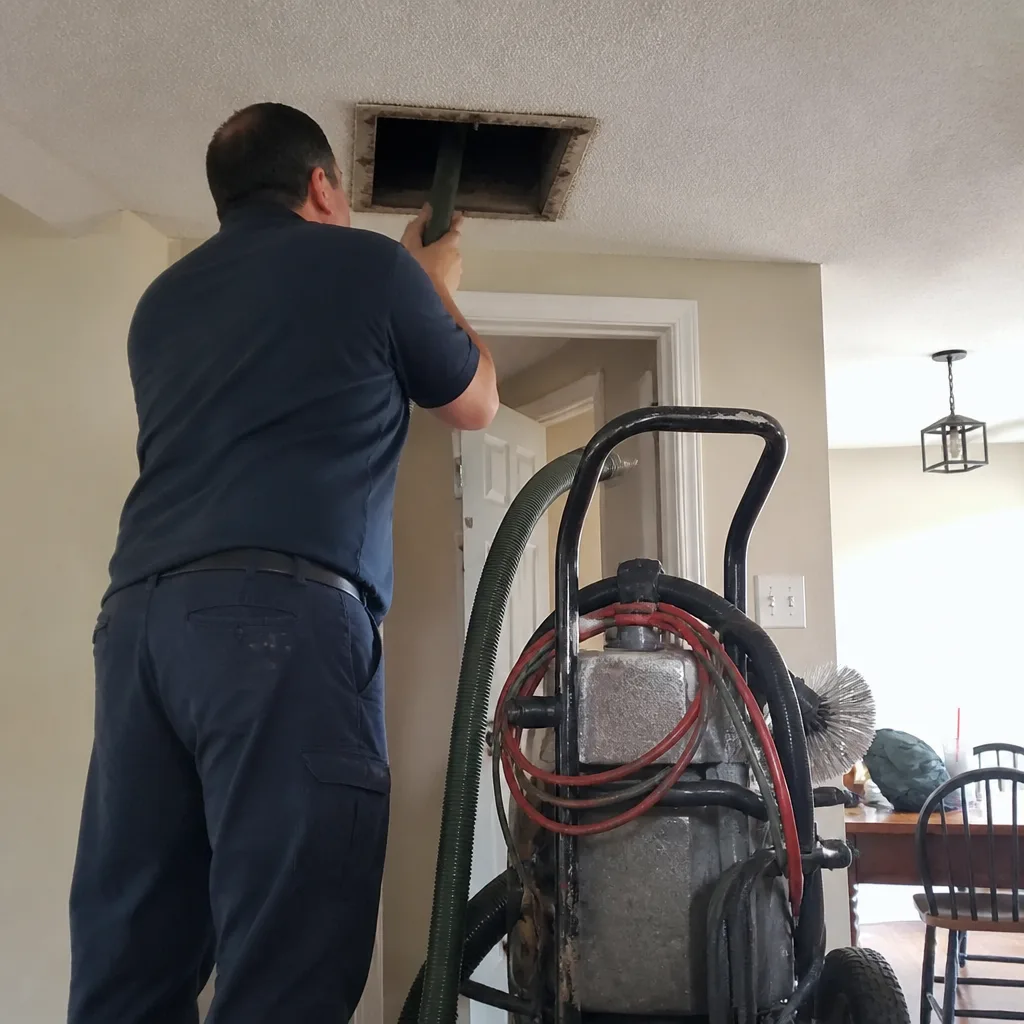 Before
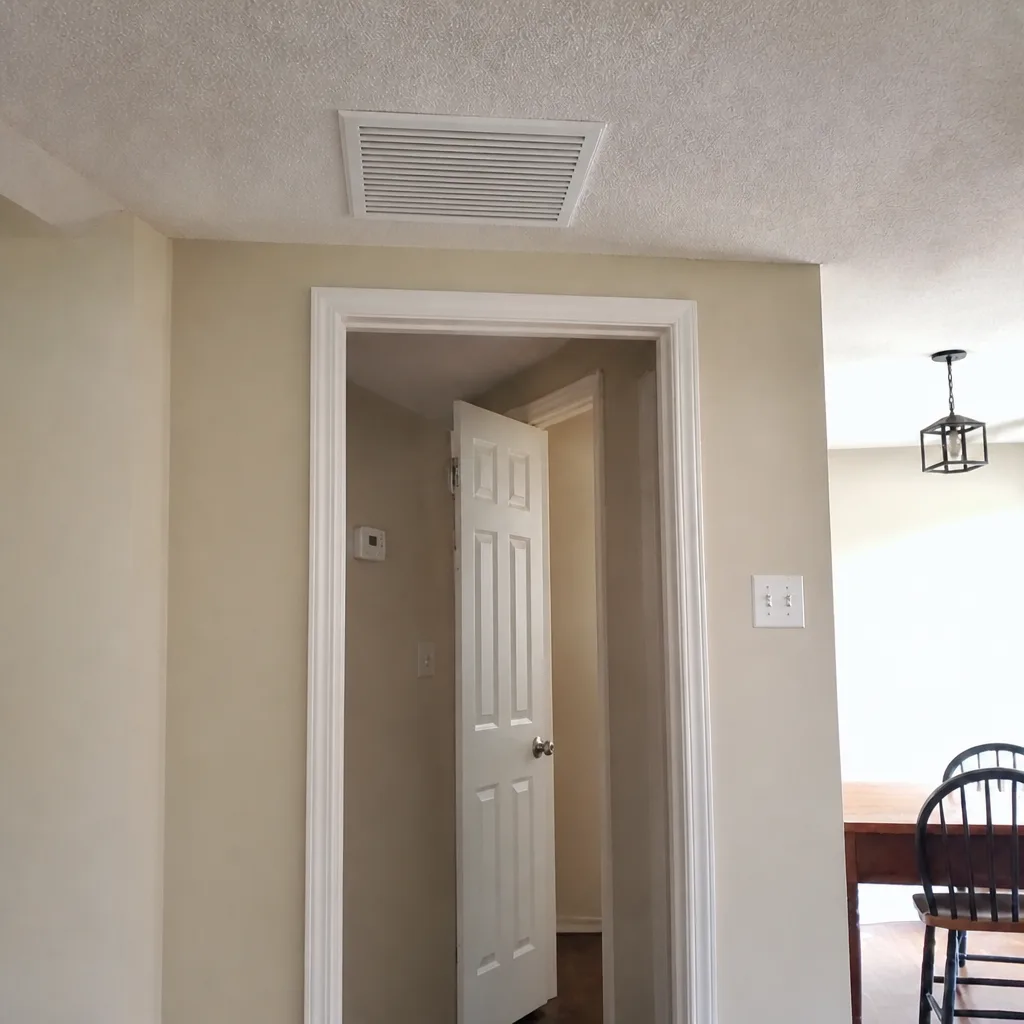 After
When to Call a Professional
Call a professional when there’s a triggering event: a renovation that generated construction dust, a water intrusion that reached the duct system, visible mold or a persistent musty odor, or a household with diagnosed respiratory conditions. Call when the return grilles are collecting dust faster than a filter change can keep up with. And call if a DIY attempt has already loosened something (a stiff brush down a flex run, an access hole cut without resealing, duct board you’ve disturbed) so the damage gets addressed before the system runs again. Knoxville Air Duct Cleaning Co offers free estimates in Knoxville. Call (888) 881-9239. We answer 24/7. Fast dispatch from 7am to 7pm, Sunday through Friday.
Frequently Asked Questions
Duct cleaning is priced per system by written estimate, and the range depends on the number of runs, the size of the system, and the condition found on arrival. We don’t quote per register, and we don’t quote a teaser price that grows once the crew is on site. The written estimate sets the final price. Call (888) 881-9239 for a free estimate.
A shop vac can absolutely damage air ducts. The common failure is a hose or brush catching on a flex duct seam and tearing the liner, but pushing debris deeper into the system is equally common. A shop vac moves far too little air volume to hold a duct run under negative pressure, so anything it loosens gets redistributed when the blower resumes. Call (888) 881-9239 if a DIY attempt has already disturbed the ductwork.
Cheap quotes are usually per-register prices that grow on-site, or a vacuum-only service without professional-grade containment equipment. A quote built on Rotobrush or Nikro equipment, Abatement Technologies filtration, and before-and-after photos will land in a higher range because the work is heavier. Ask whether the price is per system and whether it’s written down before the crew arrives. Call (888) 881-9239 for a flat per-system estimate.
Before-and-after photos of your own ducts are the clearest evidence. Ask for them as part of the job, not as a favor. Photos taken inside the duct runs at the start and finish show what was there and what’s there now. Call (888) 881-9239 and ask what documentation is included.
It depends on the house and the history. There’s no fixed interval that applies to every Knoxville home. A recently renovated house needs it once, right after the dust settles. A home exposed to water intrusion needs it once and probably a treatment after. A clean, stable house with a maintained filter may not need it for years. Call (888) 881-9239 and describe your situation; the estimate is free.
A mask doesn’t fix the containment problem. The contamination goes into the system, not just into your lungs at the moment of cleaning. A mask protects you during the work, but it doesn’t stop the loosened debris from recirculating when the HVAC runs. Call (888) 881-9239 if you want to know whether your situation warrants professional work.
The Bottom Line
The DIY vs professional question comes down to physics, not budget. You can and should clean register faces, wash return grilles, change filters, and check the dryer vent. Those tasks matter. What you can’t replicate at home is the negative pressure differential that keeps dislodged debris moving toward an extraction point instead of into your living space. For Knoxville homes with a triggering event (renovation, water intrusion, documented mold, high-allergy occupants), professional cleaning with remediation-level containment delivers something a shop vac physically cannot. For homes without one, wait and maintain. Either way, know what you’re buying and get it in writing.
If you’re ready for a straight answer about your own system, call (888) 881-9239. We answer 24/7. Fast dispatch from 7am to 7pm, Sunday through Friday. The estimate is free, and the flat per-system price is set before any work starts.
Written by the team at Knoxville Air Duct Cleaning Co.