
Last updated November 25, 2026
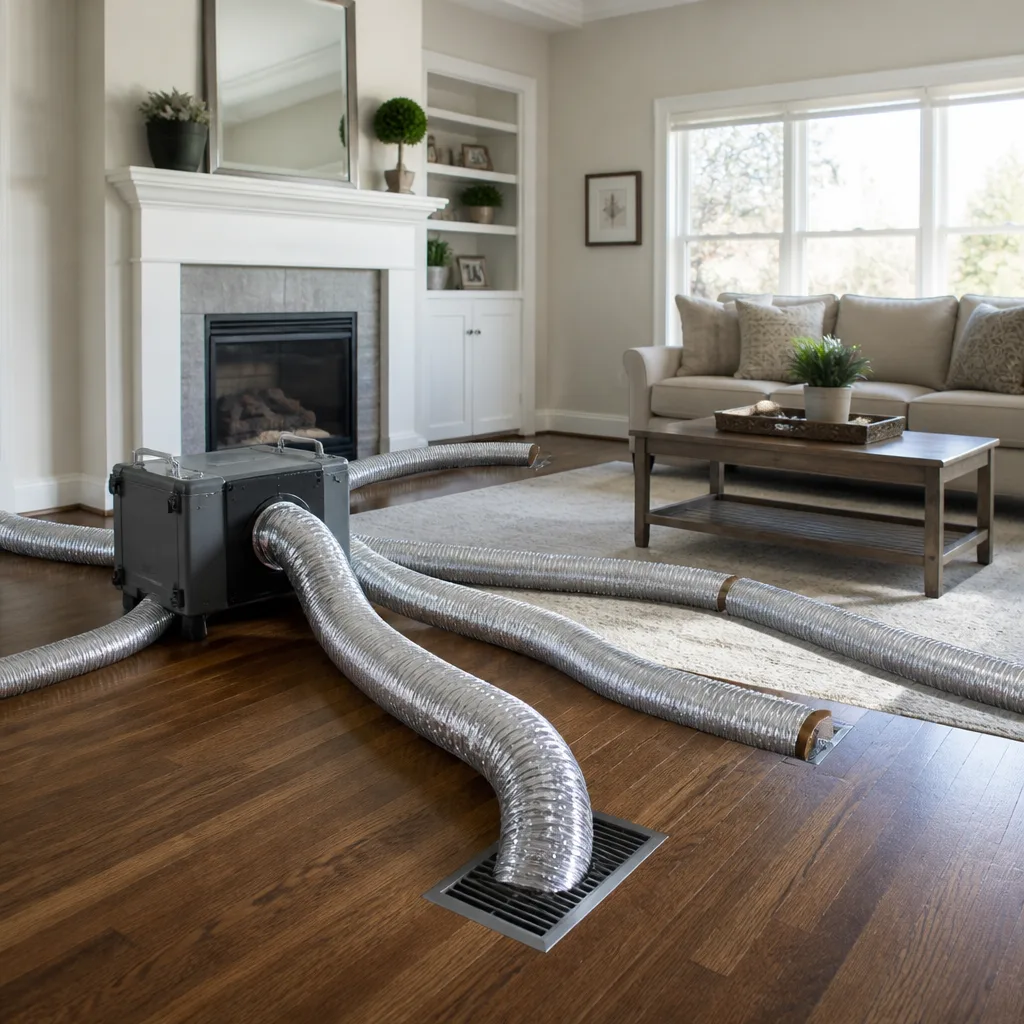 Whole-home duct cleaning
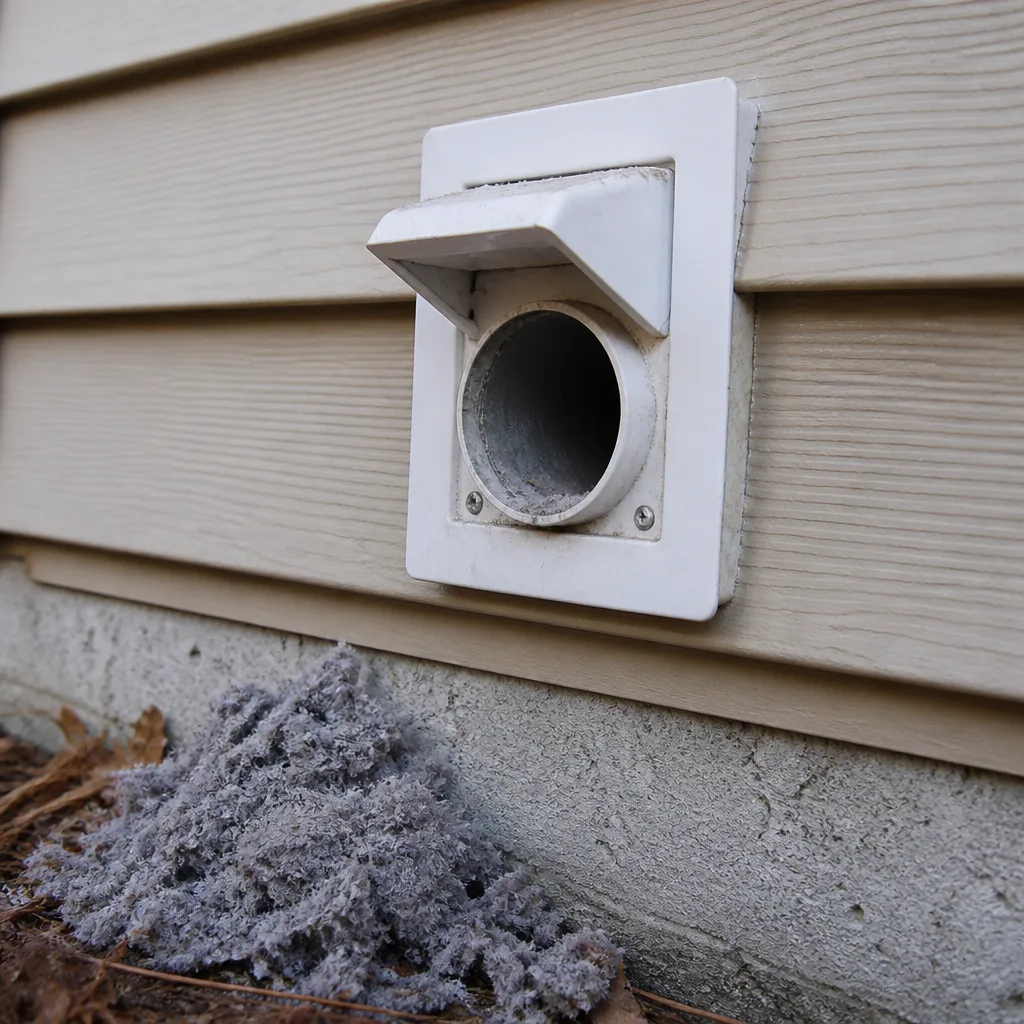 Dryer vent cleaning
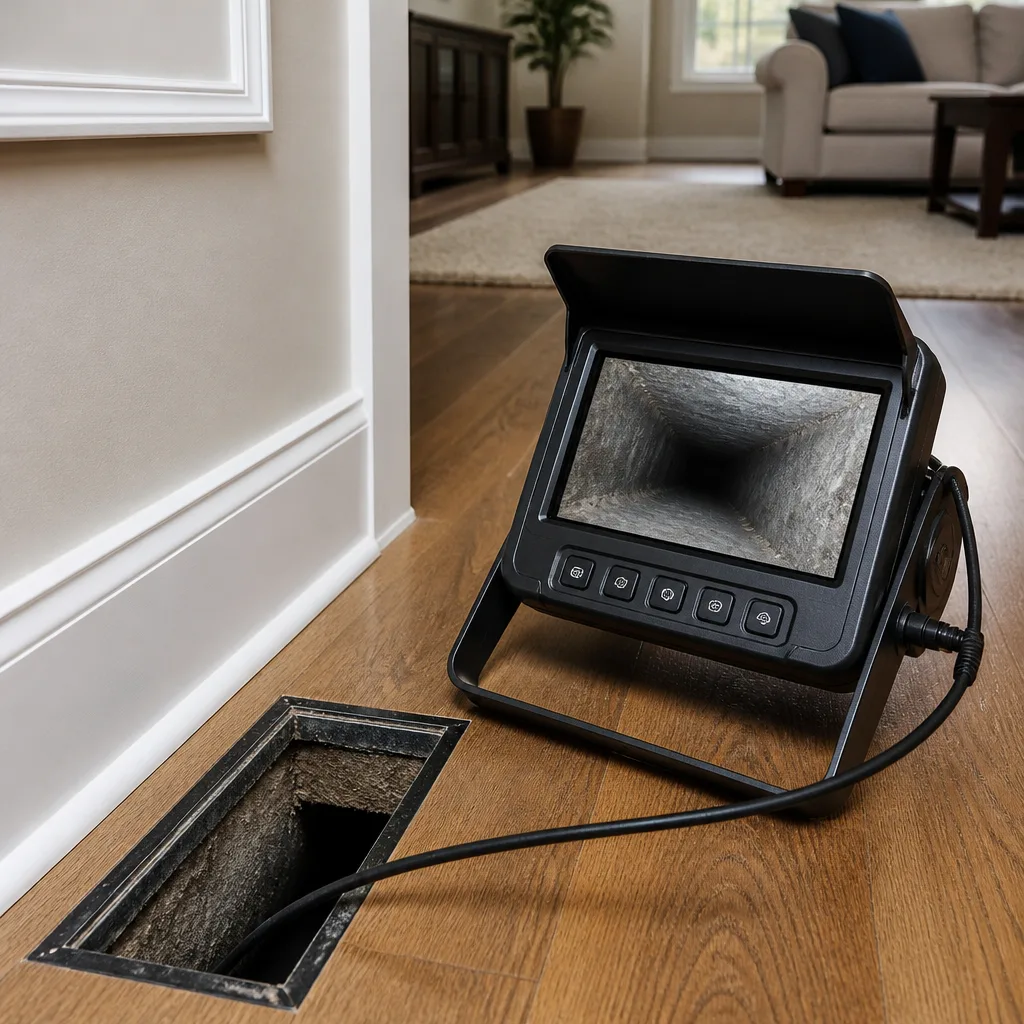 Camera inspection
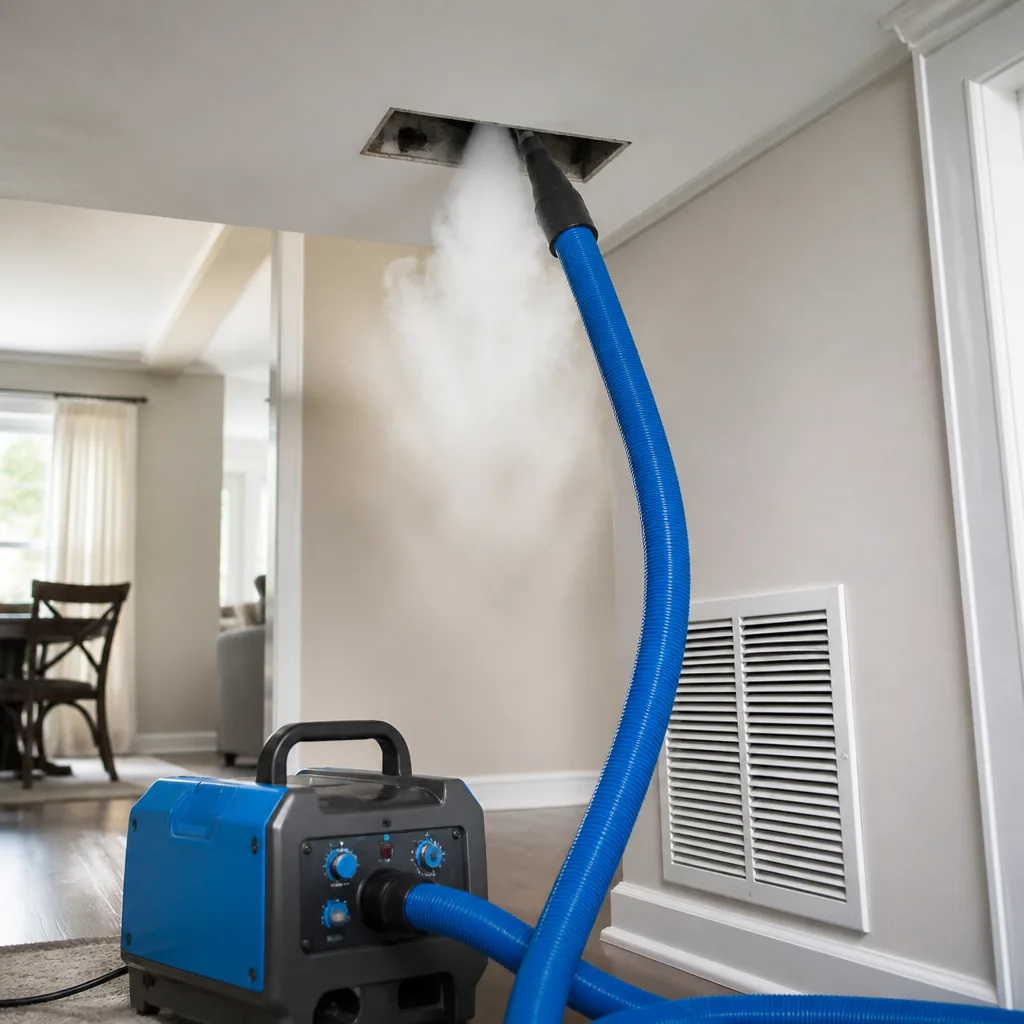 Sanitizing & deodorizing
Whole-system duct and dryer vent check with before-and-after photos - you see exactly what came out of your vents
That "$99 whole-house special" is a bait ad - the real number appears once they are in your hallway, or the "clean" is a shop-vac at the register. We photograph the inside of your ducts before and after instead.
Air Duct Cleaning Warning Signs: A Knoxville Homeowner’s Reference Guide
By the time you can smell something musty from a vent or watch a dust bloom puff out when the system kicks on, contamination has typically been building for months. The signs that actually matter show up earlier, and most of them aren’t sensory at all. They’re in the numbers: a utility bill that has crept up roughly 15% without a rate change, a bedroom that won’t hold its setpoint on a mild afternoon, a filter that clogs in three weeks when it used to last six. This guide walks through the early detection framework we use in Knoxville: performance signals first, physical inspection second, and a clear line between “schedule this within 60 days” and “shut the system down and call today.”
Quick Answer
The earliest warning signs of dirty air ducts are performance-based, not visible: rising energy bills, rooms that won’t reach their thermostat setpoint, short-cycling, and filters that load up faster than they used to. Physical signs like staining around registers, condensation on supply vents, or separated flex duct connections confirm what the numbers already suggest. Visible dust at the vents and a persistent musty smell are late-stage indicators, meaning contamination is already well established.
Styles & brands we work with
- Whole-home duct cleaning
- Dryer vent cleaning
- Camera inspection
- Sanitizing & deodorizing
Table of Contents
- Performance Warnings: The Signs Most Homeowners Miss
- Your Filter Is a Diagnostic Tool, Not Just a Consumable
- Physical Inspection: What to Look For at Registers, Attics, and Crawl Spaces
- Normal Dust vs. Biofilm: Color and Texture Tell You Which Is Which
- Knoxville Triggers That Accelerate Duct Contamination
- How to Triage: 60-Day Signs vs. Stop-and-Call Signs
- Common Mistakes to Avoid
- When to Call a Professional
Performance Warnings: The Signs Most Homeowners Miss
A dirty duct system rarely announces itself. It behaves like a partially clogged artery: the equipment works harder, the results get slightly worse, and because the decline is gradual, nobody notices until something else fails. Before you call an HVAC technician about a system that “isn’t keeping up,” check whether the problem is actually airflow restriction in the ductwork. It’s a common misdiagnosis, and in our experience it’s one that sends homeowners toward expensive equipment repair when the real issue is restriction in the air pathway.
Here’s what to track. None of these require any tools beyond your energy bills, a thermometer, and a few minutes of attention:
- Energy bills trending up without a rate change. A rise in the range of 15% over the same season last year is worth investigating. When ducts are restricted, the blower runs longer to move the same air, and a longer runtime shows up on your utility bill before it shows up anywhere else.
- Rooms that won’t reach setpoint. If the thermostat reads 72 and the far bedroom sits at 67, that’s a distribution problem. Clean, intact ducts deliver conditioned air where it’s supposed to go; restricted or leaking ducts don’t.
- Short-cycling. A system that starts and stops in short bursts can be responding to restricted airflow. It’s also a symptom of other issues, so it’s a signal to investigate, not a diagnosis in itself.
- Uneven temperatures between floors. In two-story Knoxville homes, the upstairs is often the tell. Heat rises, and any restriction in the supply pathway compounds the natural imbalance.
- Longer runtimes in mild weather. If the system used to satisfy the thermostat in fifteen minutes and now takes thirty on a 78-degree afternoon, something in the airflow pathway has changed.
The point isn’t that dirty ducts are always the cause. It’s that these symptoms are usually blamed on the equipment first and investigated in the ductwork last. Run the filter test below before you authorize any equipment work. Filter loading is the fastest, cheapest way to confirm whether contamination is airborne and circulating. If it points to a restricted system, a professional air duct cleaning assessment is the logical next step, not a new compressor.
Your Filter Is a Diagnostic Tool, Not Just a Consumable
Most homeowners treat the air filter as a chore to remember. It’s actually the single best sensor your system has. A filter’s job is to catch what’s circulating, so how fast it loads tells you how much particulate is moving through the ducts. When a filter that used to last six weeks is now gray and choked at three, the air passing through it is carrying roughly twice the load it used to.
Here’s how to read it as a step-by-step diagnostic:
- Establish a baseline. Note the date you install a new filter and the date it looks fully loaded. That interval is your reference point, not a generic “change every 90 days” rule.
- Check again at half the interval. If your baseline is six weeks, look at week three. A filter that’s already heavily grayed at the halfway mark is telling you something changed.
- Look at the color. Light gray is normal dust loading. Dark gray or black staining on the filter media suggests a source beyond ordinary household dust, and it’s often the first place that kind of contamination becomes visible.
- Check the filter slot itself. Dust bypassing the filter and coating the slot, the blower compartment, or the return plenum means air is getting around the filter rather than through it. That’s a duct sealing issue as much as a filtration one.
- Repeat the cycle with a fresh filter. If a second filter loads just as fast, the loading is coming from the system, not a one-time event. That’s when you schedule service.
The filter also tells you a lot about contamination you can’t see. A filter that loads quickly with dark residue near the air handler is a good reason to bring in professionals with proper containment equipment, which is what separates a real cleaning from a shop-vac pass. Our technicians use Knoxville Air Duct Cleaning Co equipment from Rotobrush and Nikro, and we run Abatement Technologies filtration on-site, so what comes out of the system during the job gets filtered rather than recirculated into your living room.
Physical Inspection: What to Look For at Registers, Attics, and Crawl Spaces
Once the numbers point toward a problem, walk the house and confirm it. You don’t need to open anything up: most of the confirming signs are visible at the surfaces where the system meets your rooms, plus the accessible parts of the attic and crawl space. Start at the registers and work outward from the air handler.
- Staining around register edges. Dark outlines around the grille or on the ceiling and wall right beside it usually mean air has been leaking at that connection, carrying dust that deposits at the edges. Wipe one down and watch whether it returns within a week or two.
- Condensation on supply vents in summer. A little condensation on a vent in a humid Knoxville July is fairly normal. A vent that’s consistently wet, or dripping, points to a supply duct that’s leaking cold air into a humid space or is uninsulated where it shouldn’t be. Wet duct surfaces create conditions where biological growth can take hold.
- Visible separation at flex duct connections. In attics and crawl spaces, look at every joint where flex duct meets a boot, plenum, or another section. Pulled-apart tape, sagging collars, or gaps at the connection are common and they mean the system is pulling attic or crawl space air into your living space. That’s a duct repair and sealing job more than a cleaning job, and it matters before cleaning is even worth doing.
- Dust trails at seams. Dark lines where duct sections join are dust being pushed through gaps. Every one of those gaps is unfiltered air entering the system.
- Sagging flex duct runs. Duct runs that dip and sag trap dust and restrict airflow. Look at the low points; they’re where contamination tends to collect.
In Knoxville’s older housing stock, the attic and crawl space are where the real story is usually told. A duct system that was installed or repaired by several different people over the years is rarely sealed or fully connected. If what you find is separation and staining rather than a clogged duct, the priority is HVAC cleaning and sealing before anything else. Cleaning is only as effective as the duct system is intact; a clean duct with a gap in it will re-contaminate the same way the old one did.
Normal Dust vs. Biofilm: Color and Texture Tell You Which Is Which
Normal dust accumulation is brownish-gray, dry, and powdery. It wipes off with a dry cloth and leaves no residue behind. Biofilm is different in both color and texture, and telling them apart matters because biofilm is a living accumulation of microorganisms, not just settled particles. Basic dust removal won’t resolve it, and neither will a standard vacuum pass.
Here’s the plain-language distinction:
- Normal dust: uniform gray-brown, dry, powdery, easy to wipe, no smell beyond ordinary house dust.
- Biofilm: dark gray, black, or greenish; often glossy, sticky, or patchy; sometimes darkens or spreads over weeks. It can smell musty or earthy. It often appears in patches rather than evenly.
Any dark gray or black residue near the air handler is a serious signal, not “just dust.” The air handler is where the air passes closest to moisture and warmth, which makes it a natural growth zone. Once residue is present there, contamination has moved beyond settled particles into the territory where mechanical cleaning alone won’t address it, and treatment is required. Our technicians use Guardsman sanitizing treatment for exactly that situation. It’s built into our air duct cleaning menu for a reason: cleaning removes the contamination, sanitizing addresses what settles into the surfaces afterward.
If you find dark, sticky residue on the air handler or in the return plenum, treat it as reliable evidence and stop running the system until it’s inspected. Airborne microbial contamination is the one category of this job where “wait and see” is the wrong answer. If the staining is confined to one register and it turns out to be ordinary dust, you’ve confirmed the need for normal maintenance, which is a much better outcome than discovering it after a health concern.
Knoxville Triggers That Accelerate Duct Contamination
Duct contamination builds at different rates in different places, and the specific conditions here make a difference. Knoxville sits in a humid subtropical valley, which means long, muggy summers and shoulder seasons where the air conditioner runs hard. That humidity is the baseline: it makes duct surfaces more likely to hold moisture, and moisture is what turns ordinary dust accumulation into growth. Here’s what to watch for in this area specifically.
- Crawl space water intrusion. A wet crawl space after heavy rain in Knoxville sends humidity straight into the duct system when the ducts run through it. If you’ve had standing water or damp insulation under the house, check the duct connections in that space before the next cooling season. Loose joints don’t just leak air; they pull in moist crawl space air.
- Attic insulation disturbance. Any time attic insulation is added, replaced, or disturbed, fiberglass and mineral dust goes airborne. If your ducts or the air handler are up there, that dust can work its way into the system through open returns or gaps. Older Knoxville homes with attic-mounted air handling equipment are especially exposed to this.
- Wildfire smoke events. The region has seen periods when smoke from distant fires blankets the valley. Smoke particles are fine enough to pass through standard filters and deposit in the ducts. If you’ve noticed a smoky smell inside during one of those stretches, it’s worth checking.
- Recent renovation work. Drywall dust, sawdust, and demolition debris are among the most common causes of accelerated contamination. A homeowner in a mid-century Knoxville neighborhood who’s just finished a kitchen or bath reno should expect their filter to load faster for a while.
- Older homes in established neighborhoods. Housing stock in older areas of the city often has ductwork that has been rerouted, patched, or extended over the decades. Every junction is a potential leak, and leaks pull in unfiltered air.
None of these alone requires immediate action. Together, they explain why duct cleaning intervals in Knoxville can be shorter than the generic “every three to five years” advice you’ll find online. If you’ve had more than one of these triggers in the last two years, factor that into how quickly you schedule a check.
How to Triage: 60-Day Signs vs. Stop-and-Call Signs
Not every warning sign carries the same urgency, and treating them all the same either creates unnecessary panic or overconfidence. Here’s the line we draw when homeowners call us and describe what they’re seeing. Use this as a sorting tool, not a diagnosis. A professional inspection is what turns a sorting tool into an actual plan.
Schedule service within 60 days
- A filter that loads up roughly twice as fast as it used to.
- Utility bills trending up in the range of 15% without a rate change.
- One or two rooms that consistently run a few degrees off from the rest of the house.
- Staining around more than a couple of registers, returning within weeks of wiping.
- Sagging flex duct runs found in the attic or crawl space.
- Visible separation at a duct joint, with no signs of dark residue.
These are early warnings. The system is telling you contamination is building, airflow is compromised, or both. Sixty days is enough time to schedule a cleaning, have the duct joints sealed, and get air quality upgrades in place before the next season. It’s also the right timeline if you’re seeing these signs in spring, ahead of the long Knoxville cooling season.
Stop running the system and call today
- Dark gray, black, or greenish residue found on the air handler, blower, or return plenum.
- Any visible biofilm growth you can confirm, rather than suspect.
- A persistent musty smell that has been present for months and worsens when the system runs.
- Recent water intrusion into the crawl space or attic that has reached the ducts.
- Fresh separation at a supply duct returning hot attic or moist crawl space air directly into the house.
These are late-stage warning signs. The system is moving air across surfaces that shouldn’t have growth on them. Stop running the fan or the air conditioner until someone has looked at it. Same-day appointments are available for these situations, and we answer 24/7. If you’ve stopped the system and are unsure whether your situation qualifies, call anyway. Our technicians have up to 10 years of experience triaging exactly this sort of thing over the phone.
Common Mistakes to Avoid
We’ve watched homeowners waste money, time, and sometimes their own safety on the same handful of errors. Here’s what to avoid, in plain terms.
- Treating a filter change as a complete solution. A new filter catches what’s circulating; it doesn’t clean the ducts. If the filter loads fast again in three weeks, the problem is in the system, and changing filters more often just delays the real fix.
- Assuming an HVAC problem is always an equipment problem. A system that won’t hold setpoint or short-cycles is often airflow-restricted. Before you authorize a compressor replacement, confirm the duct pathway is clean and intact. It’s the cheapest thing to rule out and the most commonly missed.
- Wiping down a stained register and calling it done. If the stain returns within weeks, the source is upstream in the duct. Cleaning the visible surface just hides the signal without addressing it.
- Ignoring dark residue on the air handler. Black staining near the air handler is never “just dust.” It’s the one warning sign where waiting is actively the wrong move. Stop running the system and get it inspected.
- Skipping the duct repair step for a cleaning-only job. A separated duct joint will re-contaminate a freshly cleaned system within months. Cleaning without sealing is a maintenance cycle, not a fix. In Knoxville’s older housing stock, this is the single most common reason people end up calling twice.
- Using a shop-vac or DIY kit on the ductwork. Residential vacuums don’t have the containment, airflow, or filtration to handle what’s in a contaminated system, and they can redistribute contaminants into the living space rather than remove them. Cleaning without remediation-grade filtration makes the air worse before it gets better.
- Waiting for a visible dust cloud or a smell before scheduling. Those are the latest signs in the sequence, not the earliest. If you wait for them, you’re scheduling a cleaning for a system that has been contaminated for months.
When to Call a Professional
Call a professional if any of the following applies to your Knoxville home. A filter that loads in half its former interval. Utility bills up roughly 15% year over year without a rate change. One or more rooms that consistently miss their setpoint by a few degrees. Staining at registers that returns after wiping. Condensation on supply vents throughout summer, not just on the hottest afternoon. Visible separation at any flex duct connection in the attic or crawl space. And without exception: any dark, sticky, or glossy residue near the air handler, any persistent musty smell, or any recent water intrusion that reached the ductwork. Those last three mean stop running the system first and call. A duct repair and sealing job is often the correct next step even before cleaning, and it’s a service that belongs in the same visit. Knoxville Air Duct Cleaning Co offers free estimates in Knoxville. Call (888) 881-9239. We answer 24/7. Fast dispatch from 7am to 7pm, Sunday through Friday.
See the difference
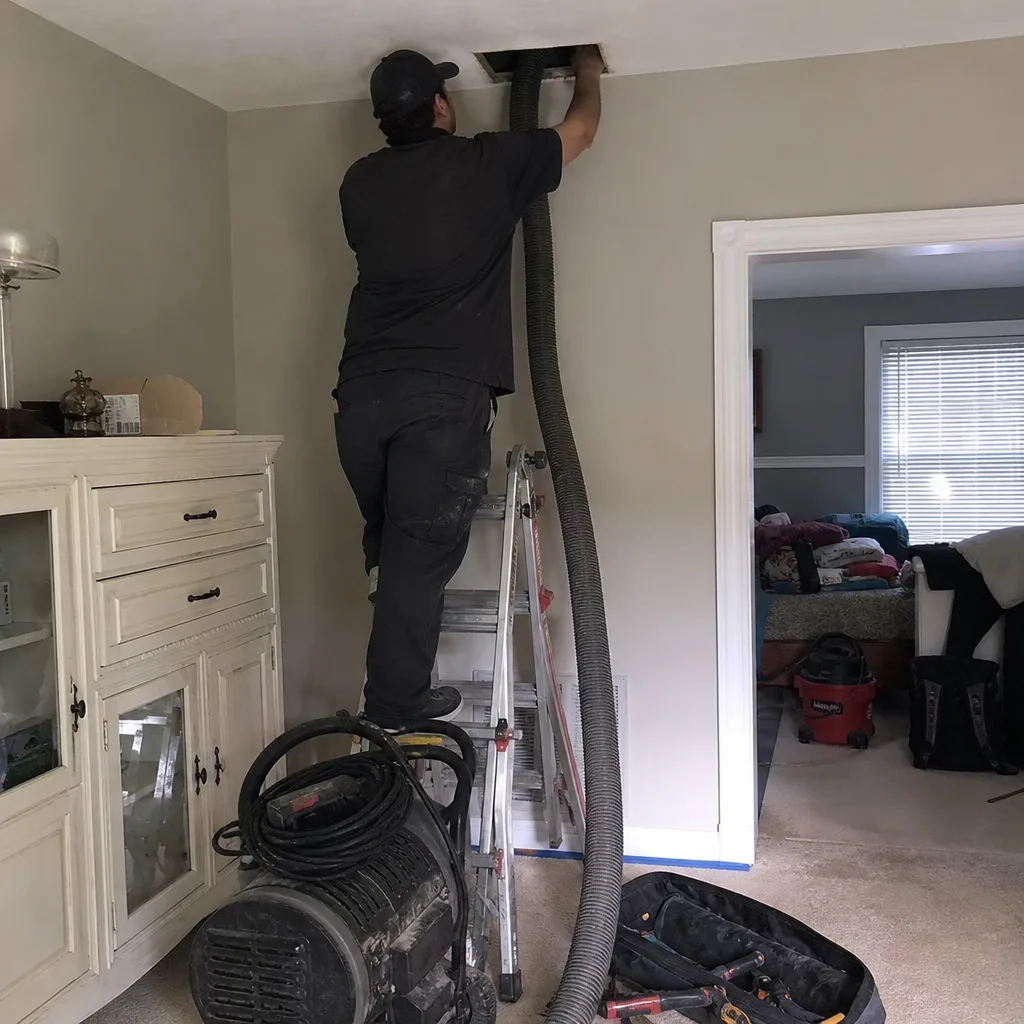 Before
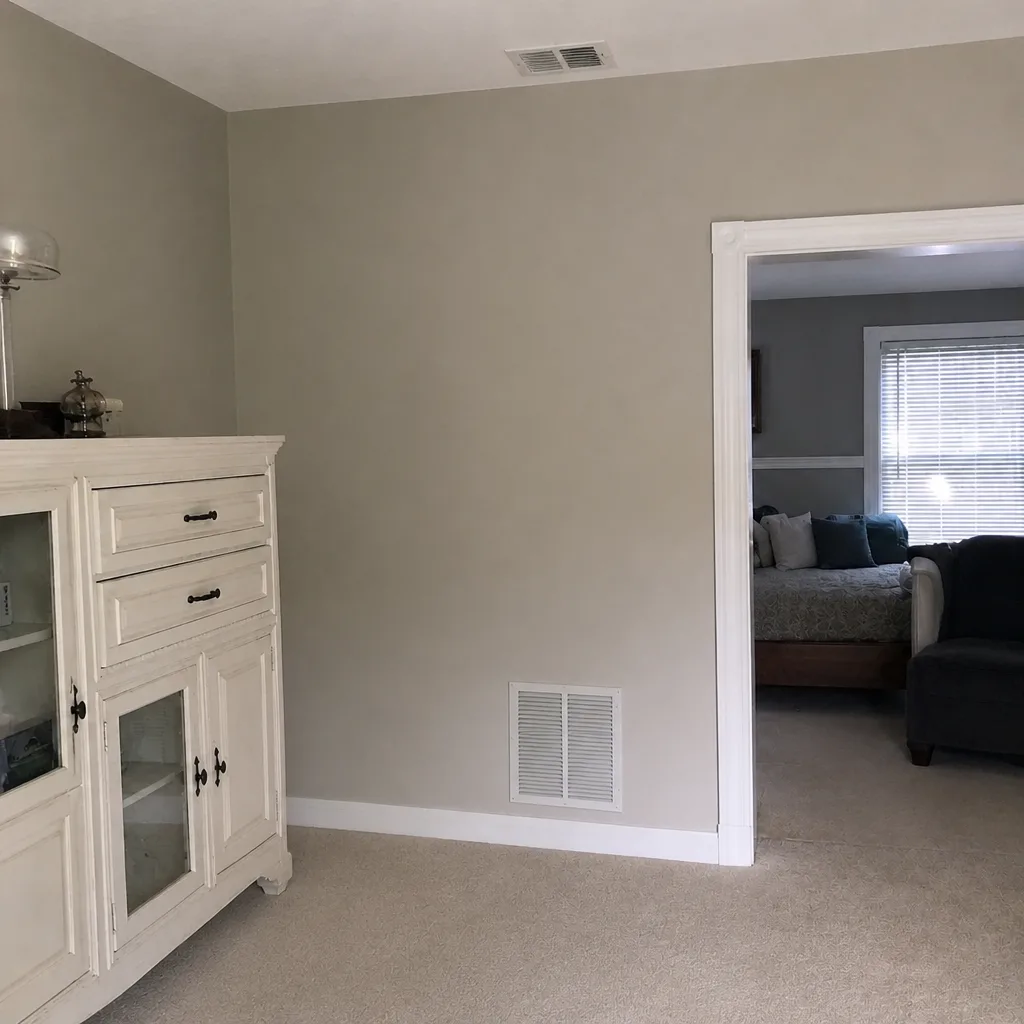 After
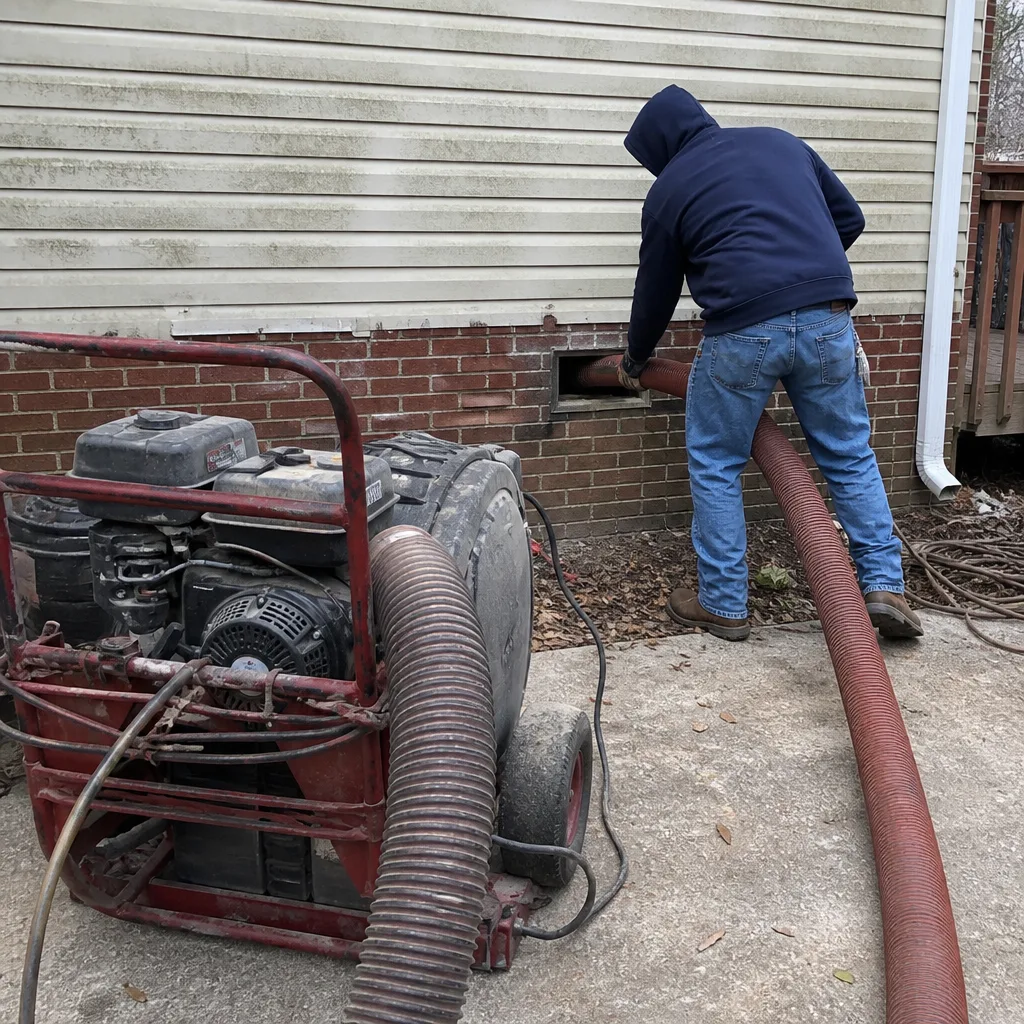 Before
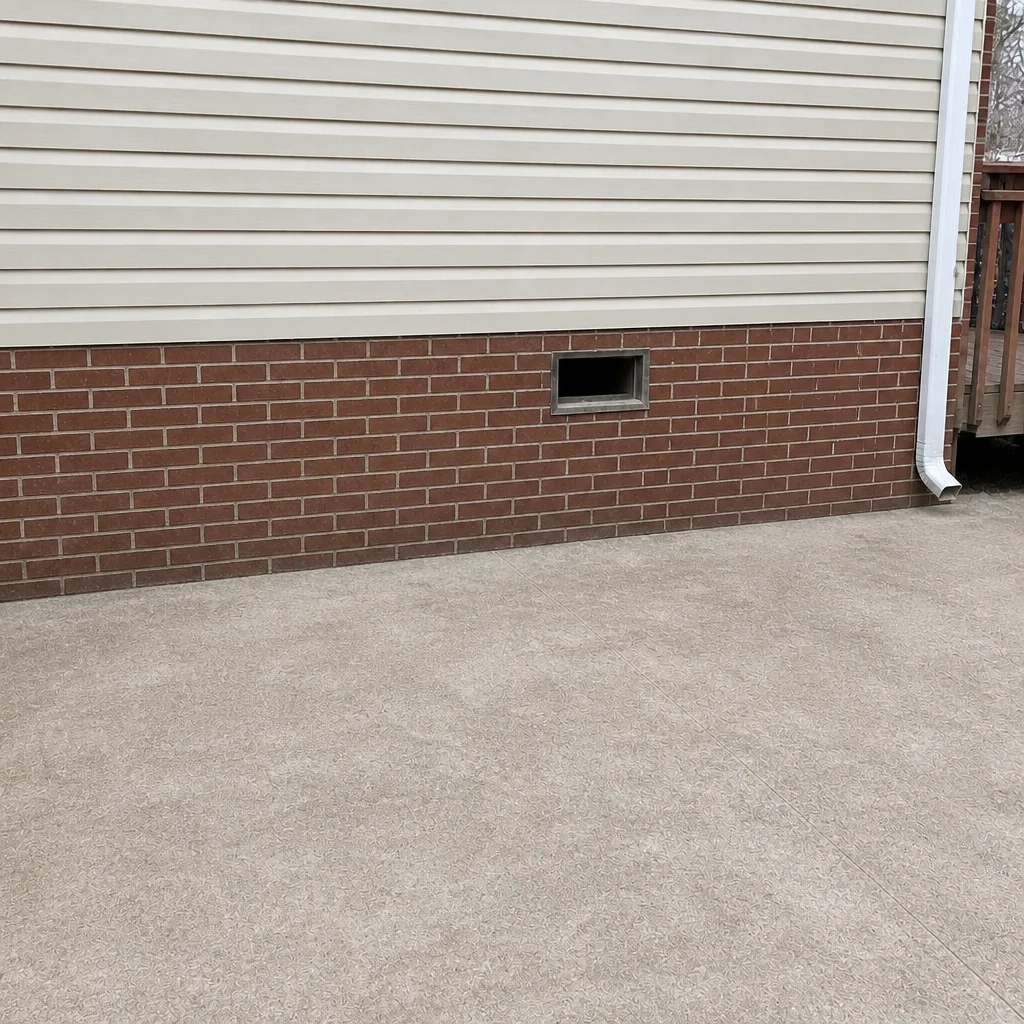 After
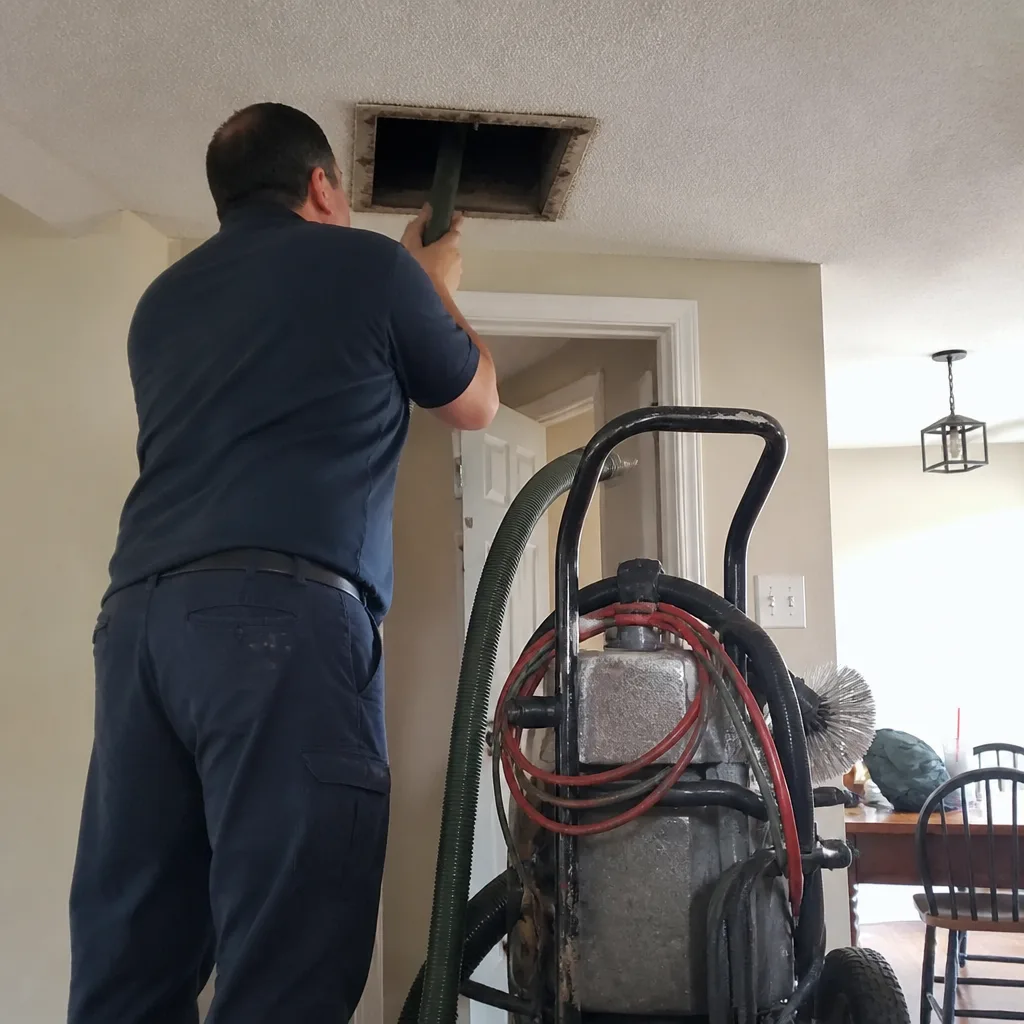 Before
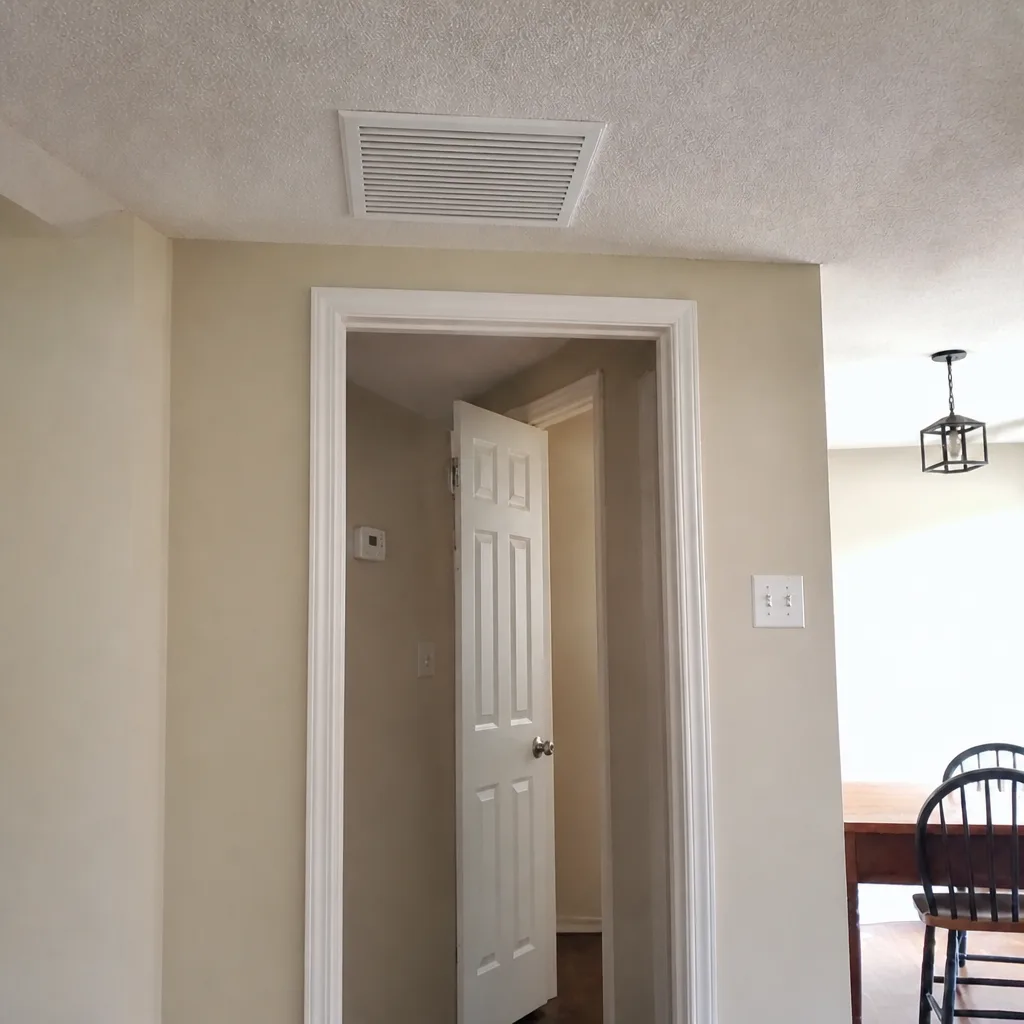 After
Frequently Asked Questions
For a typical Knoxville home, the honest answer is every three to five years, but the interval is shorter if any of the local triggers apply. A home with a wet crawl space, recent renovation work, attic insulation disturbance, or wildfire smoke exposure in the last two years may need it every two to three years instead. Your filter loading rate is the better guide than the calendar. Call (888) 881-9239 for a free estimate and we’ll look at the whole system with you.
Pricing is per system, set by a written estimate after we’ve looked at the system size, duct layout, and condition. That’s the honest way to quote it, because a two-story Knoxville home with attic-routed flex duct and a crawl space isn’t the same job as a single-story with a basement run. We recommend you be wary of any quote given sight-unseen. What matters most is one flat price per system, agreed before any work starts, so you know the number before a technician is on-site. It’s the per-vent pricing model, not the estimate itself, that causes bills to climb unexpectedly. Call (888) 881-9239 for a free estimate.
Low quotes usually reflect a different scope, not a better deal. The cheapest per-vent price on a phone call often becomes a larger invoice once the technician has had a look at what’s actually in the system, especially if it has a contamination source the remote quote didn’t account for. A shop-vac-based “cleaning” is not the same service as a cleaned and sealed system with remediation-grade filtration on-site. The other difference is what happens when a problem is found mid-job: with one flat price agreed up front, it doesn’t change. Ask for the whole-system scope in writing. Call (888) 881-9239 for a free estimate and we’ll walk through it.
Ask for before-and-after photos of your own ducts, not stock images. A professional cleaning should also include some physical evidence of what was removed, and the register and vent surfaces should look materially different when the job is finished. If a tech can’t tell you what equipment they use, walk away: the tools tell you the standard. We use Rotobrush and Nikro equipment and run Abatement Technologies filtration on-site, which those who care to check will recognize. Call (888) 881-9239 for a free estimate.
Cleaning removes accumulated dust, debris, and contamination from ducts and HVAC components. Sanitizing applies a treatment to the cleaned surfaces to address microbial contamination that remains in pores and joints after mechanical cleaning. Not every job needs both. Biofilm growth, dark residue near the air handler, or odor after cleaning are the situations where sanitizing matters. For those, we use a Guardsman sanitizing treatment. For homes where contamination is moderate, cleaning plus proper duct sealing gets you most of the benefit. Call (888) 881-9239 and we’ll tell you honestly which category yours falls into.
For many Knoxville homes, yes, but it’s not always necessary. If a homeowner has allergies, a recent remodel, an older HVAC system, or has had any of the accumulation triggers covered in this guide, whole-home filtration is often the logical next step after cleaning. We install Aprilaire and Honeywell filtration systems for exactly that reason. It’s the “clean it, seal it, improve it” sequence: cleaning removes the existing contamination, sealing closes off the sources of new contamination, and filtration is what keeps the cleaned system clean longer. Call (888) 881-9239 for a free estimate on the whole sequence.
The Bottom Line
The loudest warning signs are the latest. By the time you’re smelling mold or seeing a dust cloud, contamination has been building for months, and you’re on the back foot. The earliest signs are quiet: a filter that loads in three weeks instead of six, a bill that has crept up 15%, a bedroom that won’t reach its setpoint. Confirm the numbers with a walk-around of your registers, attic, and crawl space. Then triage: most findings mean schedule service within 60 days; dark residue near the air handler or confirmed biofilm means stop the system and call. Keeping the full air pathway clean and sealed is what makes the rest of the work possible, from the ducts to the dryer vent cleaning that belongs on the same schedule.
Get a Free Estimate
If you’ve spotted one or more of the warning signs in this guide and want a straight answer on what your Knoxville system needs, call Knoxville Air Duct Cleaning Co at (888) 881-9239 for a free estimate. We answer 24/7. Fast dispatch from 7am to 7pm, Sunday through Friday. Our technicians have up to 10 years of experience and use the equipment that separates a real cleaning from a surface pass. The vetted local professional we connect you with is licensed and insured as their state requires, and we’ll give you before-and-after photos of your own ducts so you can see what was removed, not just take our word for it.
Written by the team at Knoxville Air Duct Cleaning Co.