
Last updated November 25, 2026
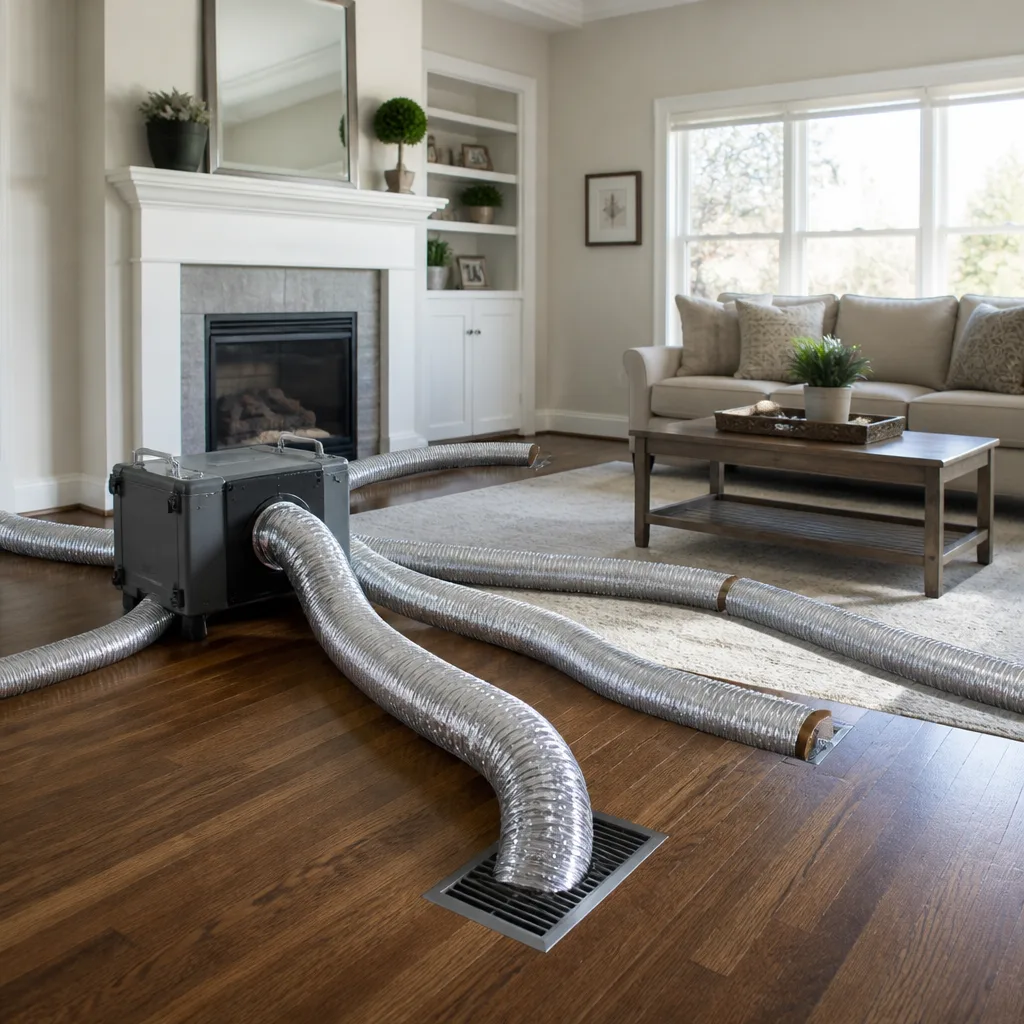 Whole-home duct cleaning
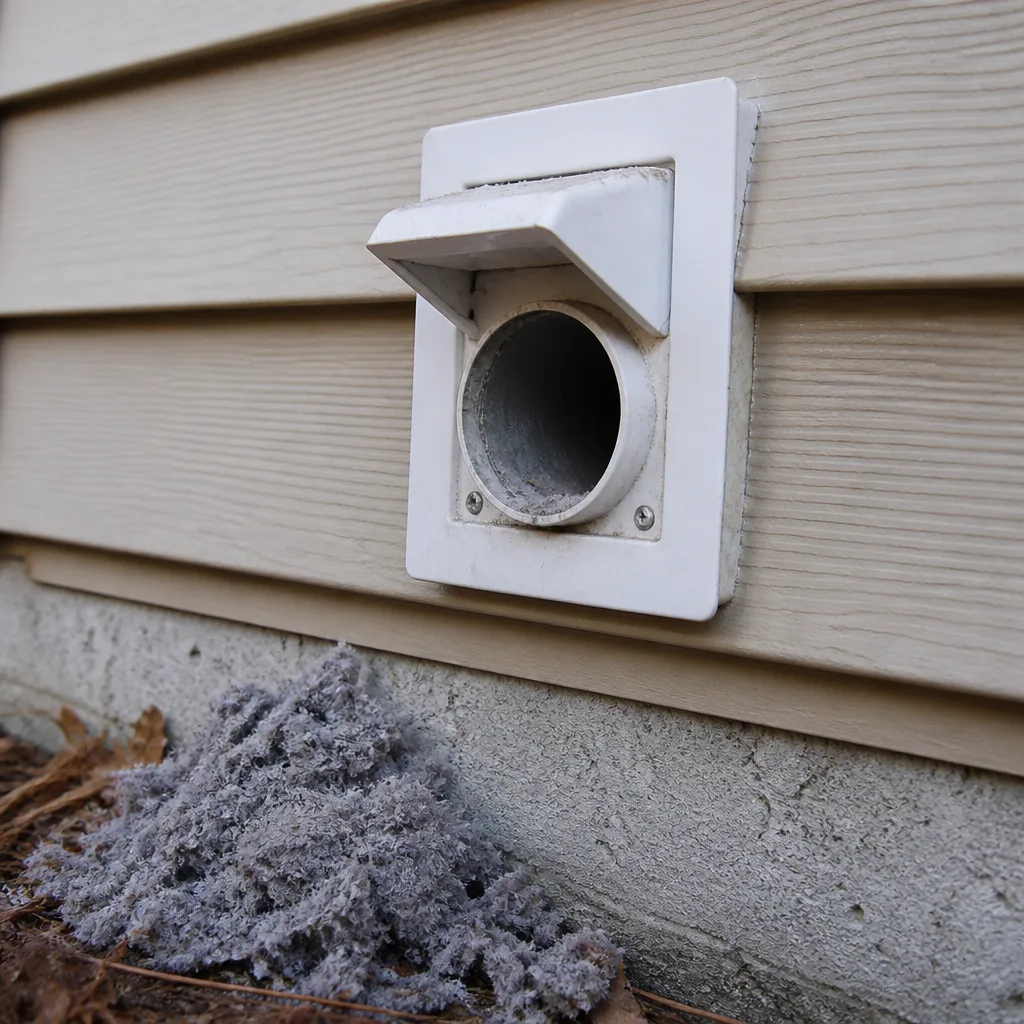 Dryer vent cleaning
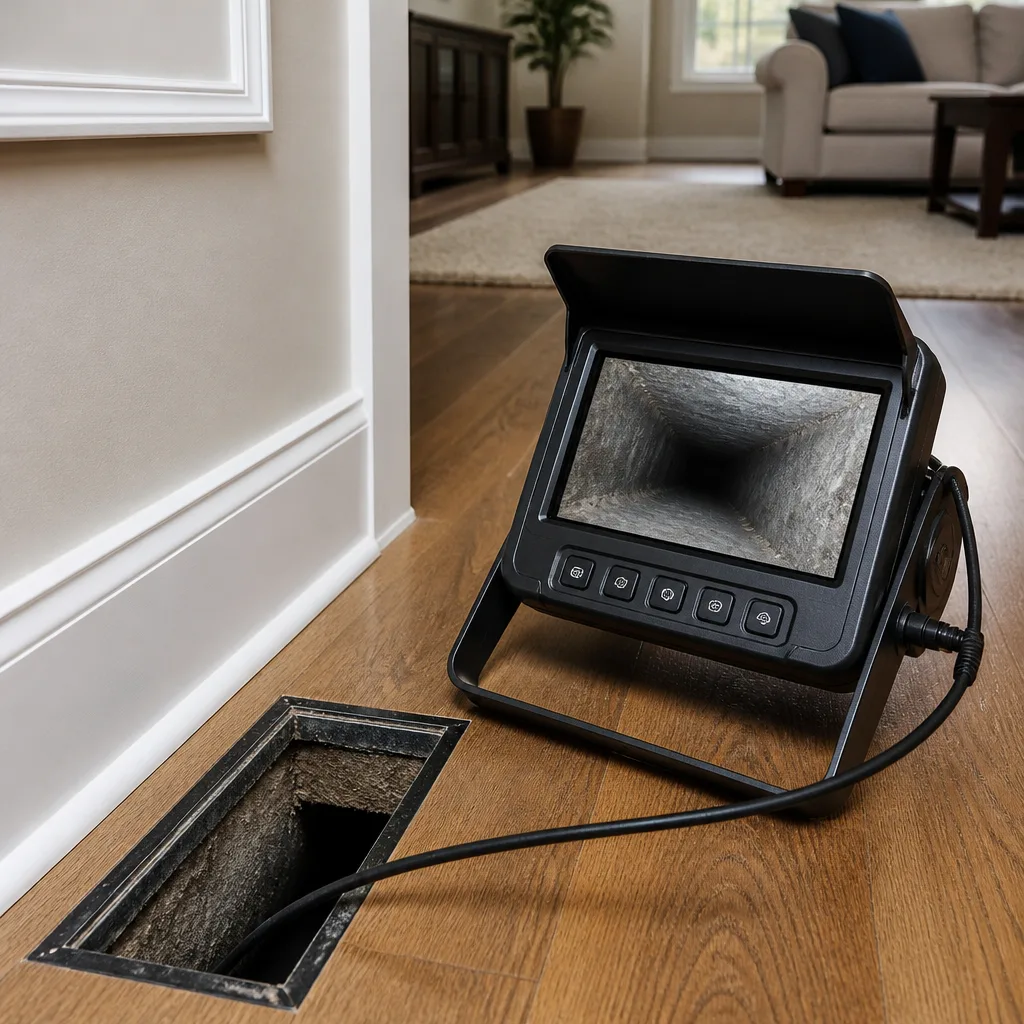 Camera inspection
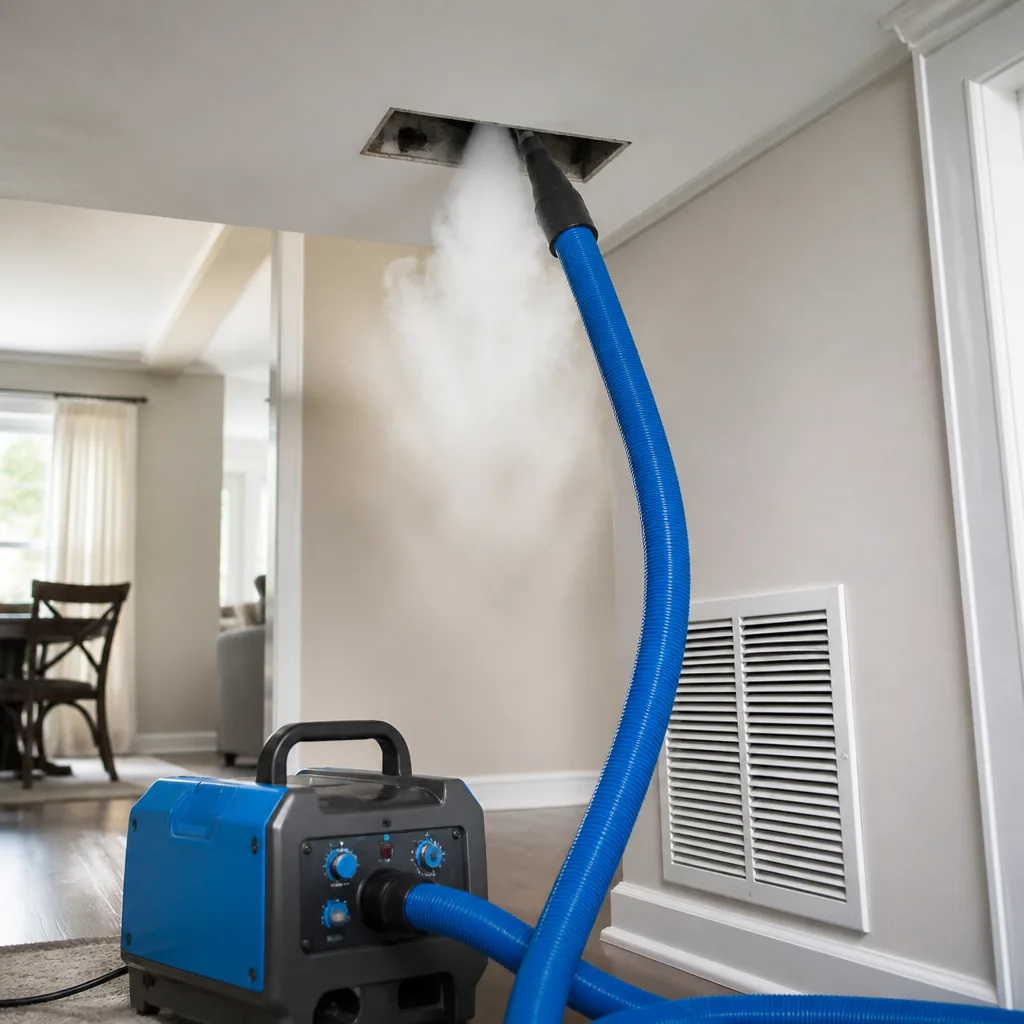 Sanitizing & deodorizing
Whole-system duct and dryer vent check with before-and-after photos - you see exactly what came out of your vents
That "$99 whole-house special" is a bait ad - the real number appears once they are in your hallway, or the "clean" is a shop-vac at the register. We photograph the inside of your ducts before and after instead.
Air Duct Cleaning Troubleshooting in Knoxville: Common Problems and How to Fix Them
If your ducts were cleaned six months ago and the dust is already back, the cleaning probably wasn’t the problem. The unsealed return plenum or the uncleaned evaporator coil still is. That’s the part of the system most cleaning visits never touch, and it’s why so many Knoxville homeowners keep chasing the same symptoms after paying for a service that looked thorough enough at the time. This guide maps each common complaint to the component that actually causes it, explains why Knoxville’s humidity and crawl space construction make some failures worse than they are elsewhere, and gives you a short checklist you can run yourself to confirm whether a cleaning job was done properly. By the end you’ll know which fix belongs to which problem.
Styles & brands we work with
- Whole-home duct cleaning
- Dryer vent cleaning
- Camera inspection
- Sanitizing & deodorizing
Quick Answer
Most “duct cleaning didn’t work” complaints in Knoxville trace back to one of three causes: the ducts were cleaned but never sealed, so attic and crawl space air leaks straight back in; the evaporator coil, blower or air handler was never cleaned, so the real odor and dust source was left untouched; or the job used low-suction brushing instead of pressurized negative-air cleaning with containment. A complete fix addresses the full air pathway, not just the visible duct runs. The symptom usually tells you which one you’re dealing with.
Table of Contents
- Symptom-to-Cause Matrix: What Your Complaint Is Telling You
- Why Cleaning Without Sealing Fails in Knoxville
- Is the Coil or the Ductwork the Real Odor Source?
- Pressurized Negative-Air Cleaning vs. Brush-and-Vacuum
- How to Inspect a Cleaning Job Yourself
- Weak Airflow: Ducts, Filter or Blower?
- The Dryer Vent Problem Nobody Troubleshoots
- Common Mistakes to Avoid
- When to Call a Professional
- Frequently Asked Questions
- The Bottom Line
Symptom-to-Cause Matrix: What Your Complaint Is Telling You
The first troubleshooting step isn’t opening anything up. It’s listening to what the symptom is actually saying. Dust returning within months points at a different component than a musty smell that only shows up when the heat kicks on, and treating both as “dirty ducts” is how homeowners end up paying twice for the same problem.
Here’s how the common complaints map to their likely causes:
- Dust returns within a few months of cleaning: leaky duct connections pulling attic or crawl space air into the system, or an uncleaned return plenum. The ducts are clean; the leak is feeding them.
- Musty or earthy smell that appears when the system starts: the evaporator coil, the drain pan underneath it, or damp insulation in the air handler cabinet. This is a moisture problem, not a dust problem.
- Weak airflow at some registers but not others: a crushed or disconnected flex duct branch, a damper left partly closed, or a blower wheel loaded with debris.
- Allergy symptoms that fade after cleaning and return: the cleaning worked but the containment didn’t, or surfaces were cleaned without a sanitizing treatment to address what’s living on them.
- Sharp, chemical or “hot plastic” smell when the heat runs: dust burning off the heat exchanger is normal for the first few days; a persistent smell after that needs a technician’s eyes on the unit.
- Whistling or rattling at a register: a duct leak or pressure imbalance, not a cleaning issue at all.
In our experience across Knoxville homes, the dust-returning complaint is the one that gets misdiagnosed most often, especially in older East Tennessee homes where return ducts run through unconditioned attic space and haven’t been properly sealed since they were installed. Once you’ve matched the symptom to a component, troubleshooting the specific fix is much more direct.
Why Cleaning Without Sealing Fails in Knoxville
Cleaning a duct system that leaks is like mopping a floor with the door propped open onto a dirt yard. You can do a careful job and the result still looks the same a few months later. This is the single most common reason a Knoxville homeowner calls us saying the cleaning “didn’t last,” and it’s a structural issue, not a workmanship complaint about the cleaning itself.
Two local factors make it worse here than in drier climates:
- Humidity. Knoxville’s summers run humid enough that any unconditioned air pulled into the return system brings moisture with it. That moisture doesn’t just feel clammy; it feeds mold and mildew on coil surfaces and duct lining. Duct cleaning without sealing leaves the door open for that moisture to keep coming in.
- Crawl space and attic construction norms. A large share of Knoxville homes have ductwork running through vented crawl spaces or unconditioned attics. Those spaces are dusty, and in a vented crawl space they can be damp. When the return side is under negative pressure and the supply side is under positive pressure, any loose connection or unsealed plenum joist bay becomes a siphon for that air.
Duct repair and sealing is what closes that loop. The typical sequence is:
- Clean the ducts with pressurized negative-air equipment so loose debris is captured, not redistributed.
- Seal the accessible connections, plenum penetrations and register boots with mastic or approved tape.
- Re-check and re-clean any sections disturbed during sealing.
- Upgrade filtration or add air quality equipment if warranted.
If a cleaning quote doesn’t mention sealing at all, or asks you to book it as a separate visit weeks later, ask why. A cleaning that finishes before the sealing starts isn’t addressing the whole air pathway. If your home is older and you’re not sure whether the ductwork was ever sealed, that’s a conversation worth having before you book air duct cleaning.
Is the Coil or the Ductwork the Real Odor Source?
An odor complaint almost always sends people toward the ducts first. But if the smell is strongest when the system first starts, or only in the room nearest the air handler, the ductwork probably isn’t the source. The evaporator coil and the wet surfaces around it usually are.
Here’s the practical way to tell them apart:
- Smell only when the system starts, fades after a minute: likely the coil or the drain pan. The system is picking up stagnant moisture smell and distributing it briefly.
- Smell strongest in one room only: could be a specific duct run, an unsealed register boot, or moisture in the wall cavity behind it. Cross-check by closing that register and seeing if the smell changes.
- Smell present even when the fan is off: this isn’t a duct issue at all. Check for a drain issue, a damp crawl space under the room, or a plumbing problem. Duct cleaning won’t touch it.
- Earthy, dusty smell throughout the house, worse in summer: condensation on a dirty coil, plus microbial growth on the coil fins and the insulation lining the air handler cabinet.
What a technician should do about each: if the coil is the source, it needs to be cleaned directly, not just “cleaned around” by vacuuming the duct runs meeting it. The blower wheel and cabinet interior should be cleaned at the same time, and the drain pan flushed. If the coil is badly fouled or damaged, a technician will recommend the appropriate next step. If the ducts are the source, the cleaning should include the air handler’s return side, then a sanitizing treatment on the cleaned surfaces to address what mechanical cleaning alone doesn’t remove.
This is the piece most one-service duct cleaning operations skip, because it requires containment and appropriate chemical handling. HVAC cleaning covers the coil and air handler as part of the same visit, which is the only way the two problems stay solved.
Pressurized Negative-Air Cleaning vs. Brush-and-Vacuum
The difference between a thorough duct cleaning and a cosmetic one comes down to airflow. Professional cleaning uses a high-powered vacuum to put the entire duct system under negative pressure, then agitates the debris loose with a rotating brush or air whip, so the loosened material travels to the vacuum instead of into your living room. A low-suction “brush and vacuum” job agitates debris without meaningful containment, which is why some homeowners see dust puff out of registers during the service or find a fine layer on their furniture afterward.
How to tell which one you received:
- Look at the equipment before work starts. A negative-air setup will include a truck-mounted or high-powered portable vacuum connected to the system, plus a filtration unit. If the only equipment in your house is a shop-vac-style unit and a hand brush, the job is not pressurized.
- Listen and feel at the registers. During a proper negative-air cleaning, you should feel air being drawn in at open registers. If air is blowing out, ask why.
- Watch the containment setup. The technician should seal registers with foam blocks or covers, and screen off the work area. Look for a filtration unit in the room, and ask what it is. Abatement Technologies air filtration on-site is a sign that the crew is setting a remediation-grade standard, not just working fast.
- Check the air handler afterward. After cleaning, open the access panel (with the power off) and look at the inside of the cabinet. A thorough job leaves the blower and cabinet noticeably cleaner and free of loose debris.
Professional-grade equipment matters here in a way it doesn’t in low-risk trades. Rotobrush and Nikro systems are what restoration contractors use because they produce enough suction and agitation to actually move the material out of the system. Equipment like that is the baseline, not a bonus. When you’re evaluating contractors in Knoxville, ask what equipment they’ll bring and how they’ll control containment. If the answer is vague, move on.
How to Inspect a Cleaning Job Yourself
You don’t need to be a technician to verify that a cleaning job was thorough. A few minutes with a flashlight and a screwdriver will tell you most of what you need to know. Do this check before the crew leaves, while they can still address anything you find.
- Pull three or four registers. Look past the grille into the duct run. You should see clean metal or clean-lined flex duct, no visible dust film on the first several feet.
- Check the return air grille. Returns collect the heaviest debris. If the return still has a visible layer of dust, the job stopped short.
- Open the air handler access panel with the power off. The blower wheel should turn freely and show no caked-on dust. The inside of the cabinet should be clean or close to it.
- Look at the coil. If the coil is accessible, its fins should be clean or visibly improved. If it’s dirty and it wasn’t on the scope of work, that’s a separate job and should be scheduled.
- Sniff at the registers. A few days after cleaning, the air should smell neutral. Any persistent odor is a follow-up call.
- Watch for re-dusting over the next 30 days. Some dust is normal while the system settles. A return to the original dust levels within a month means the ducts are leaking or a source was missed.
If any of these checks fail, call the company back and describe the specific symptom. A contractor with proper equipment will come out and address it. If they don’t, that tells you what you need to know about how they’d handle a sealing or repair project.
Weak Airflow: Ducts, Filter or Blower?
Weak airflow is the symptom most often blamed on dirty ducts and most often caused by something else. Before you book a cleaning, check the filter. A clogged filter is the number one cause of reduced airflow in Knoxville homes, and it’s a five-minute fix that costs a fraction of a service call.
If the filter is new or clean and airflow is still poor, here’s the order to troubleshoot in:
- Compare rooms. If one or two registers are weak and the rest are fine, the problem is likely in those specific duct runs: a crushed flex duct, a disconnected joint, or a damper left partly closed. Ask the technician to inspect those runs directly.
- Check the filter slot. Many air handlers are designed to take a filter at the cabinet, but some homeowners switch to a denser 1-inch filter than the system was designed for. A higher MERV filter on an older system can choke airflow. Ask a technician what your system is rated for.
- Listen at the air handler. A blower wheel that’s caked with debris or a motor that’s running hot can reduce airflow across the board. This is where HVAC cleaning earns its keep, since the blower wheel is one of the parts most often missed by duct-only cleanings.
- Look for flex duct kinks or sagging runs. Poorly supported flex duct sags and pinches, especially in attics and crawl spaces where it may have been installed hurriedly. A sagged run doesn’t necessarily need replacing, but it does need re-supporting or replacing.
Pressure balance matters too. A system with an undersized return will pull harder at the closest returns and starve the far ones. If the fix feels elusive, ask a technician to measure static pressure and confirm whether the duct system is balanced for the size of the equipment attached to it.
The Dryer Vent Problem Nobody Troubleshoots
Dryer vent lint buildup is the same category of overlooked problem as leaky ducts: it isn’t part of the air conditioning system, so it never shows up in a duct cleaning quote. It’s also a genuine fire hazard, and in a home where the vent runs through a wall, an attic, or an extended foil flex run, the buildup can be significant without obvious symptoms until the dryer starts taking two cycles to dry a load.
What to watch for:
- Clothes taking noticeably longer to dry, or needing a second cycle
- The dryer body feeling hot to the touch on the top or sides
- Lint visible around the outside vent flap, or the flap not opening fully when the dryer runs
- A musty or hot smell in the laundry room during a cycle
- An outside vent that terminates under a deck, in a crawl space, or behind a screen it can’t clear
If any of those apply, the vent needs professional cleaning. We’d also encourage homeowners not to treat a dryer vent as a DIY project beyond surface cleaning at the dryer connection and the outside flap: the interior of the run needs proper equipment to clear, and opening the run without it can make things worse. Our dryer vent cleaning covers the full run, including transitions and the outside termination, and it’s worth booking alongside a duct cleaning if both are due.
Common Mistakes to Avoid
- Judging a quote only by the price. A very low quote almost always means a smaller scope (surface registration cleaning, no containment, no coil or cabinet work). Ask what’s included before comparing numbers.
- Skipping the sealing conversation. In Knoxville’s humidity, a cleaning that leaves leaky returns open will let moisture and attic or crawl space dust right back in. Build sealing into the same project if the ducts are old or unsealed.
- Assuming the ducts are the odor source. A wet evaporator coil or drain pan is a more common cause of a persistent smell than the ductwork. Test the coil first by checking whether the smell only appears when the system starts.
- Ignoring the air handler and blower. If the blower wheel is dirty, the ducts will look clean at the registers but the system will keep spreading dust pulled from the cabinet. The air handler has to be on the scope.
- Not checking the filter before booking a service call. A clean filter is the fastest way to rule out the simplest cause of weak airflow.
- Letting a low-suction job count as “cleaned.” No negative pressure, no containment, no filter unit, no way to verify the ducts actually got the debris out. If you see dust puffing from registers during the service, stop the job and ask questions.
- Forgetting the dryer vent. It’s an adjacent fire-safety issue, not a duct issue, and it needs its own cleaning schedule.
When to Call a Professional
Call a professional when the symptom persists after you’ve checked the obvious fixes, when the source is inside the air handler, or when the ducts themselves may be compromised. Specifically: dust that returns within a few months of cleaning, an odor that only appears when the system starts, allergy symptoms that get worse in the house than outside, visible mold on the coil or duct lining, crushed or disconnected duct runs in the attic or crawl space, or a dryer that needs a second cycle to finish a load.
Knoxville Air Duct Cleaning Co offers free estimates in Knoxville. Call (888) 881-9239. We answer 24/7. Fast dispatch from 7am to 7pm, Sunday through Friday. Our technicians have up to 10 years of experience across duct cleaning, Knoxville Air Duct Cleaning Co‘s full range of services, and the diagnostic work it takes to figure out which component is actually causing the problem.
Frequently Asked Questions
Because the ducts are likely leaking and pulling attic or crawl space dust back in, or because the return plenum and air handler weren’t included in the job. Clean ducts with unsealed connections re-collect debris within weeks in Knoxville’s climate. Duct repair and sealing along with the cleaning is what closes the loop. Call (888) 881-9239 for an estimate.
Most residential jobs in Knoxville fall within a range set by the number of registers, the system layout and whether sealing or sanitizing is included; we price each system as one flat job by written estimate, not per vent. The estimate sets the final price before work starts. Call (888) 881-9239 for an exact quote. Estimates are free.
Because they’re usually doing a different service: surface cleaning at the registers with a shop-vac-style unit, no negative pressure, no containment, and no coil or air handler work. A pressurized cleaning with proper filtration equipment does more and takes longer. Call (888) 881-9239 and we’ll walk through what a full-system job includes so you can compare like for like.
Pull a few registers and check the first several feet of duct for dust film, look at the return grille and the inside of the air handler cabinet, and confirm the blower wheel turns with no caked-on debris. If you watch the work happening you should also see containment: sealed registers, a filtration unit in the room, and negative pressure pulling air in rather than blowing it out. If you have doubts after a job, call (888) 881-9239 for a second opinion.
For most homes, every three to five years is a reasonable interval, with more frequent cleaning if there’s a recent renovation, a pet-heavy household, a smoker in the home, or visible dust returning sooner than expected. If your ducts are leaking, get them sealed before deciding on a cleaning schedule. Call (888) 881-9239 to talk through your situation.
Yes, if the source is in the air pathway: a wet evaporator coil, a dirty air handler cabinet, microbial growth on duct lining, or a damp drain pan. If the smell comes from a crawl space or a plumbing issue outside the air pathway, cleaning will only mask it. The right first step is diagnosing which component is wet before assuming the ducts need cleaning. Call (888) 881-9239 to schedule a diagnostic-free estimate.
The Bottom Line
Most duct cleaning complaints in Knoxville aren’t really complaints about the cleaning. They’re complaints about the cleaning stopping short. If the ducts are cleaned but the returns are unsealed, the evaporator coil is dirty, or the air handler was never opened, the symptoms come back. Troubleshoot by symptom first, then verify the work: check for negative pressure and containment at the registers, pull a couple of grilles to look at the duct interior, open the air handler cabinet and look at the blower and coil, and confirm the filter is the right spec for your system. If your ducts are older and unsealed, plan for duct repair and sealing along with the cleaning. On Knoxville’s humid summers, that combination is what actually keeps the system working between cleanings.
Knoxville Air Duct Cleaning Co handles the full air pathway: air duct cleaning, dryer vent cleaning, HVAC cleaning, duct repair and sealing, and air quality and sanitizing, using Rotobrush and Nikro equipment with Abatement Technologies filtration on-site, and Aprilaire and Honeywell filtration upgrades where they make sense for the home. Free estimates, and one flat price per system agreed before work starts. Call (888) 881-9239. We answer 24/7. Fast dispatch from 7am to 7pm, Sunday through Friday.
Written by the team at Knoxville Air Duct Cleaning Co.
See the difference
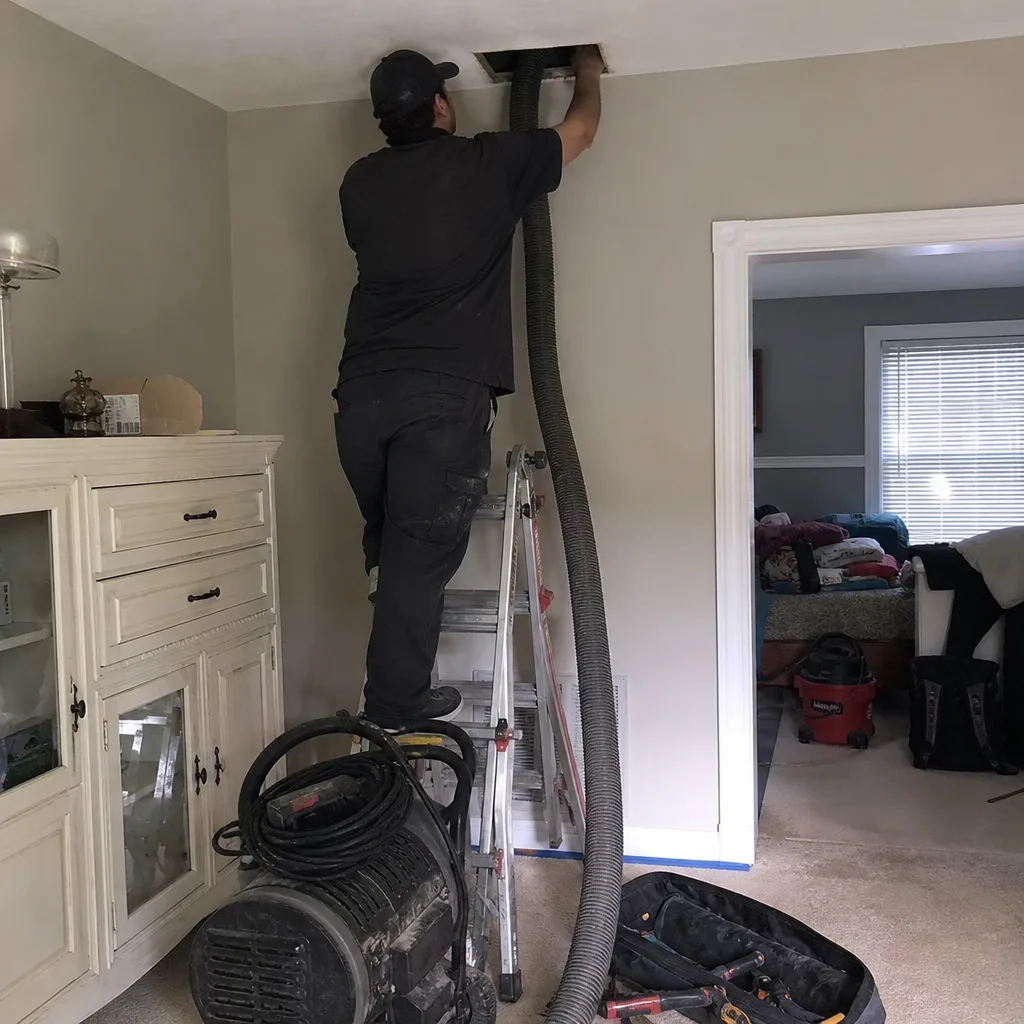 Before
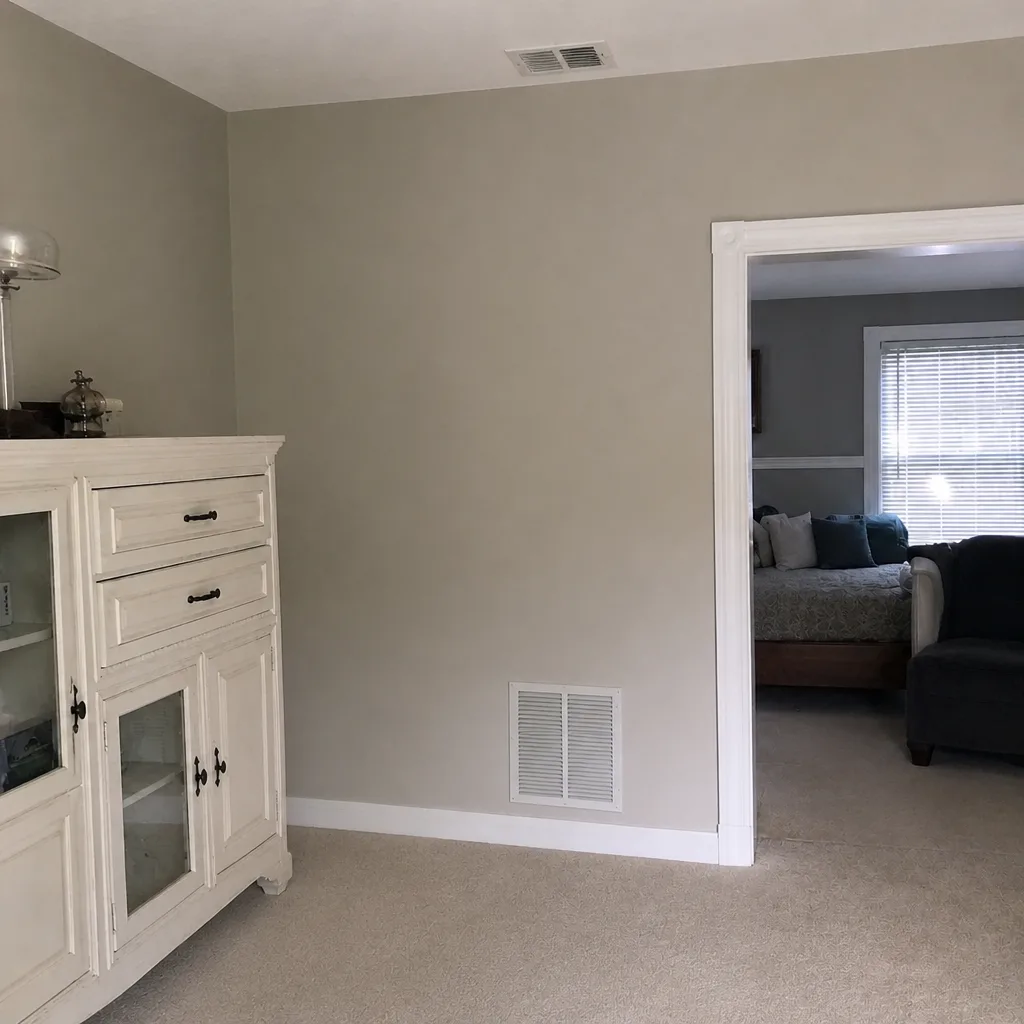 After
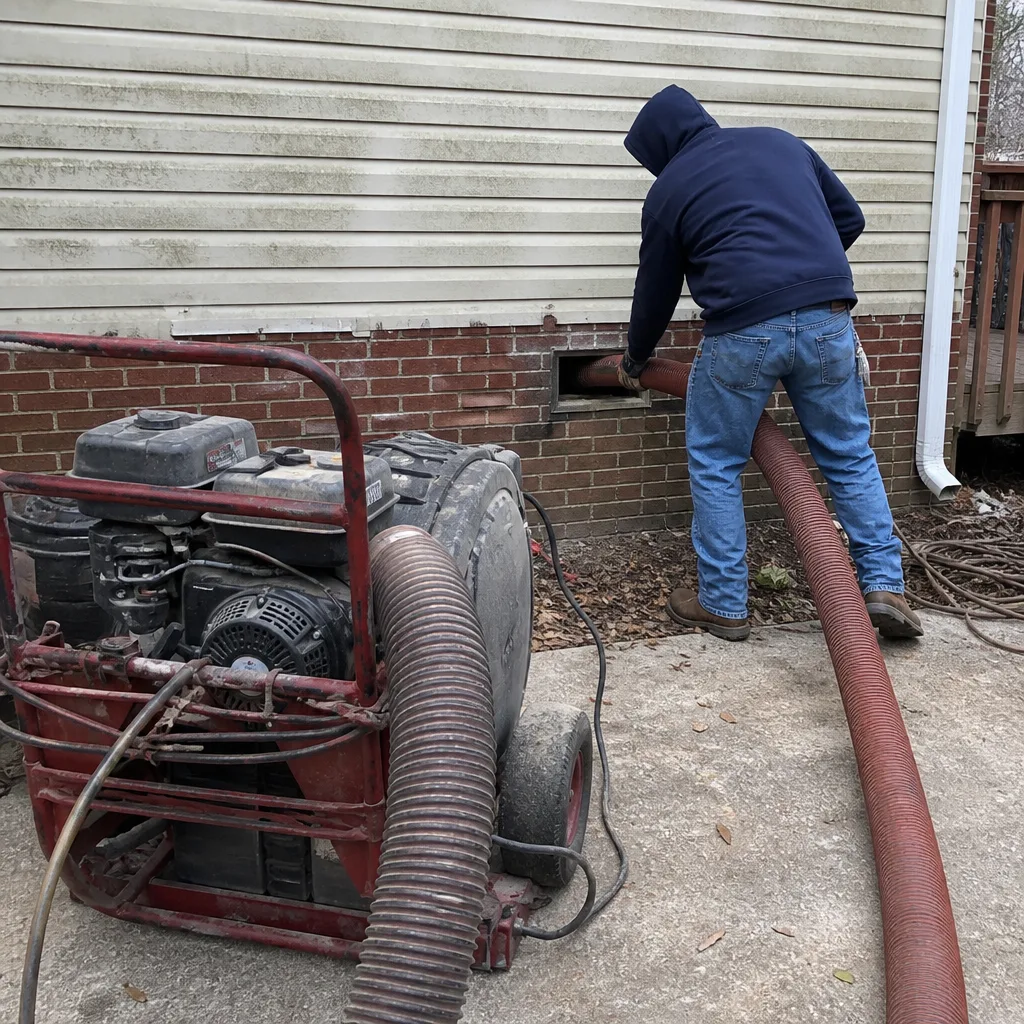 Before
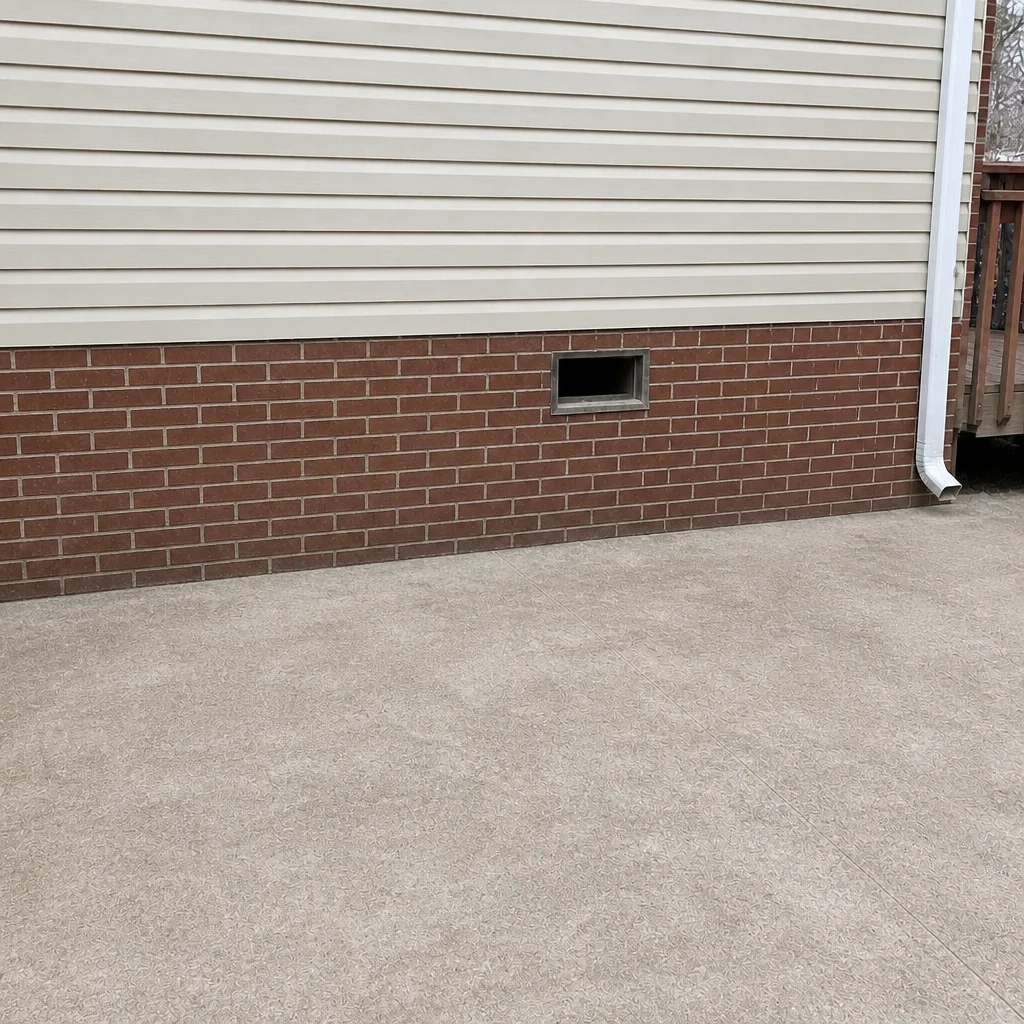 After
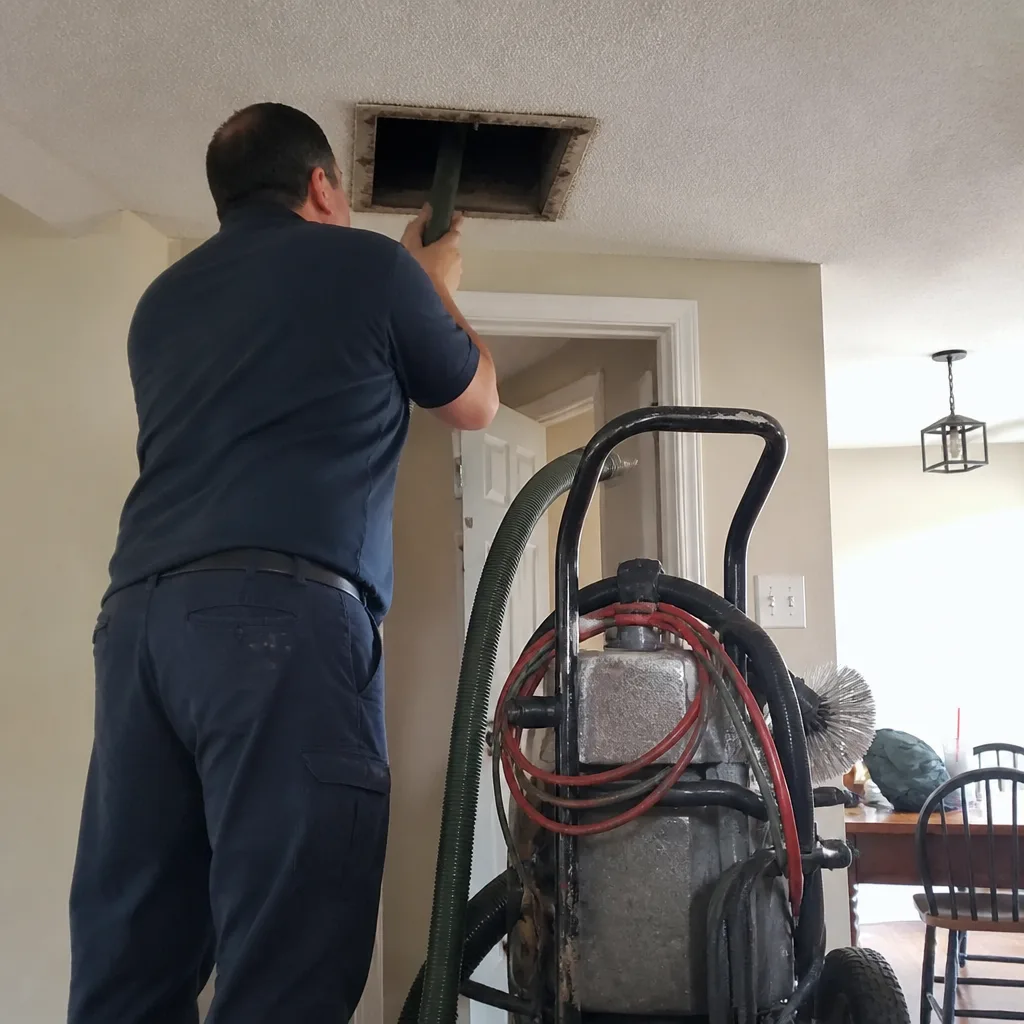 Before
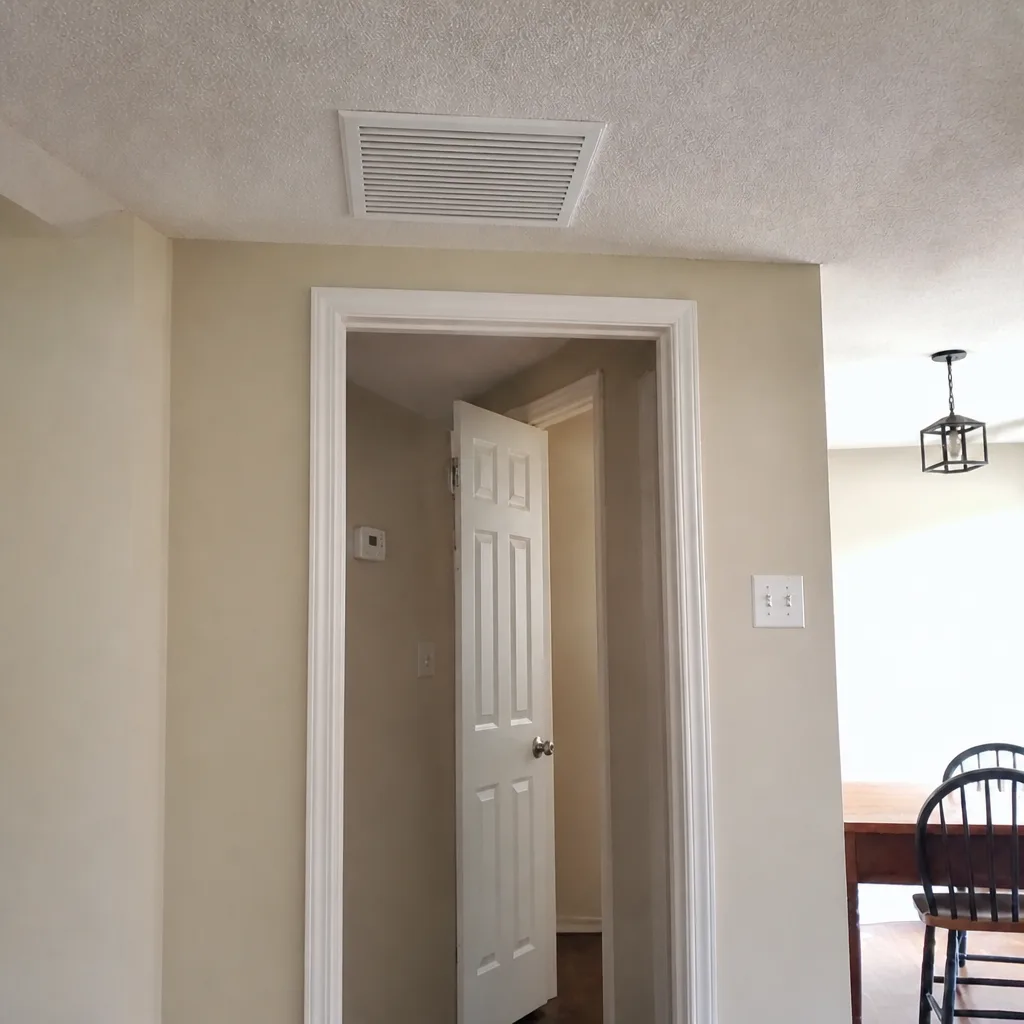 After