
Last updated November 25, 2026
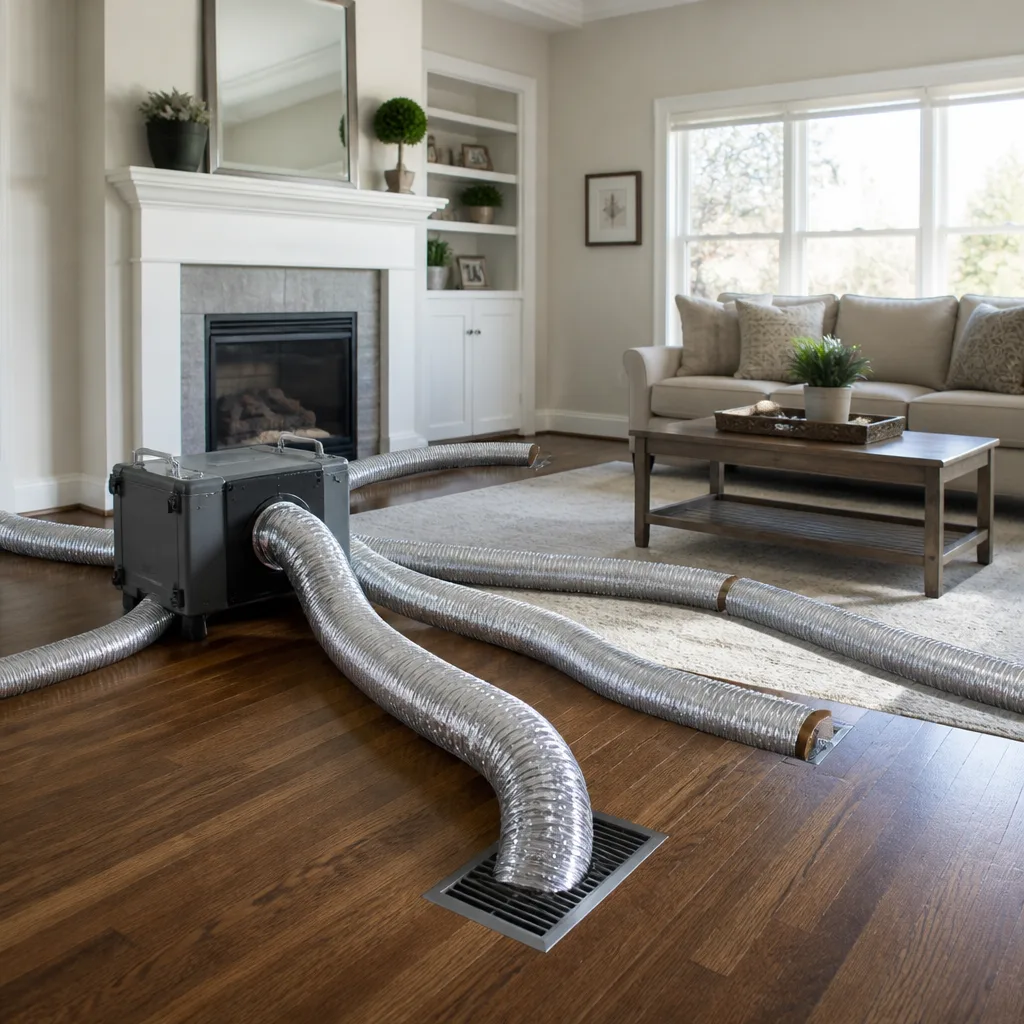 Whole-home duct cleaning
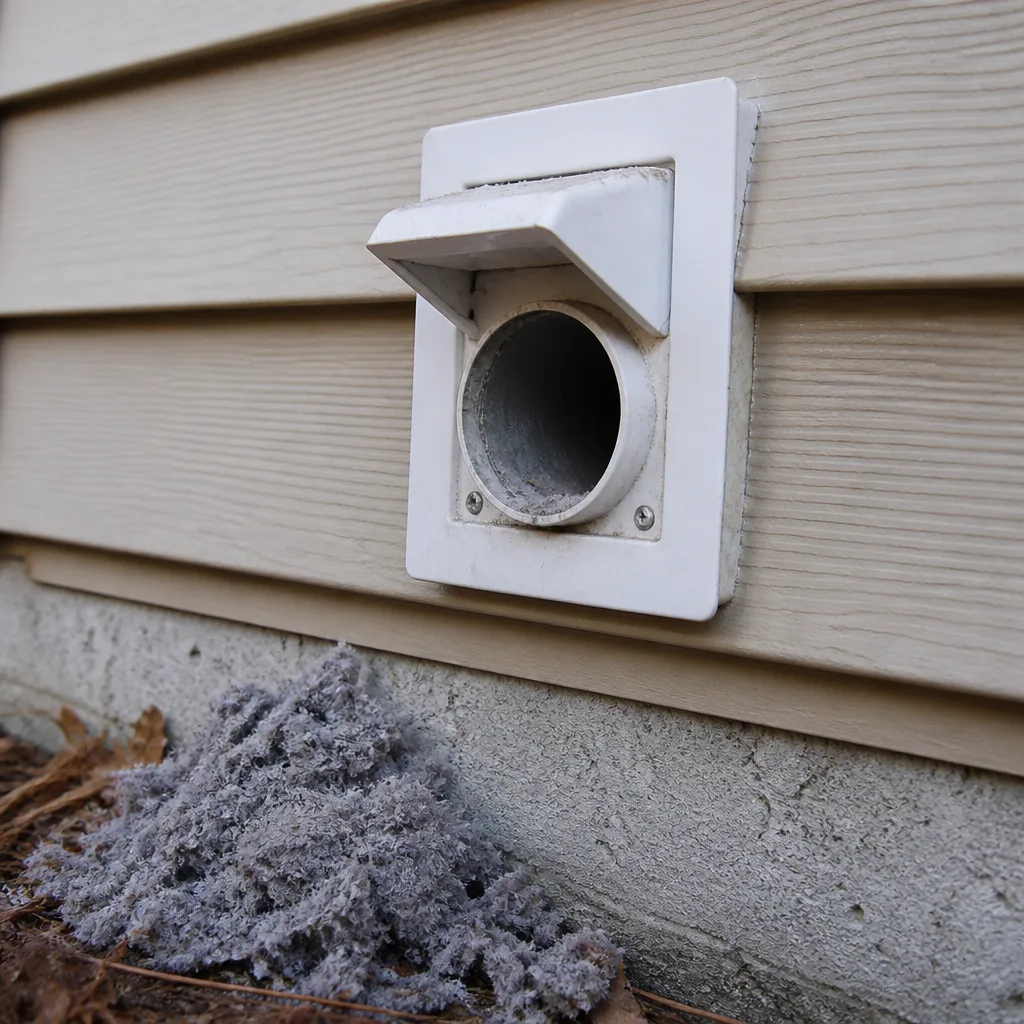 Dryer vent cleaning
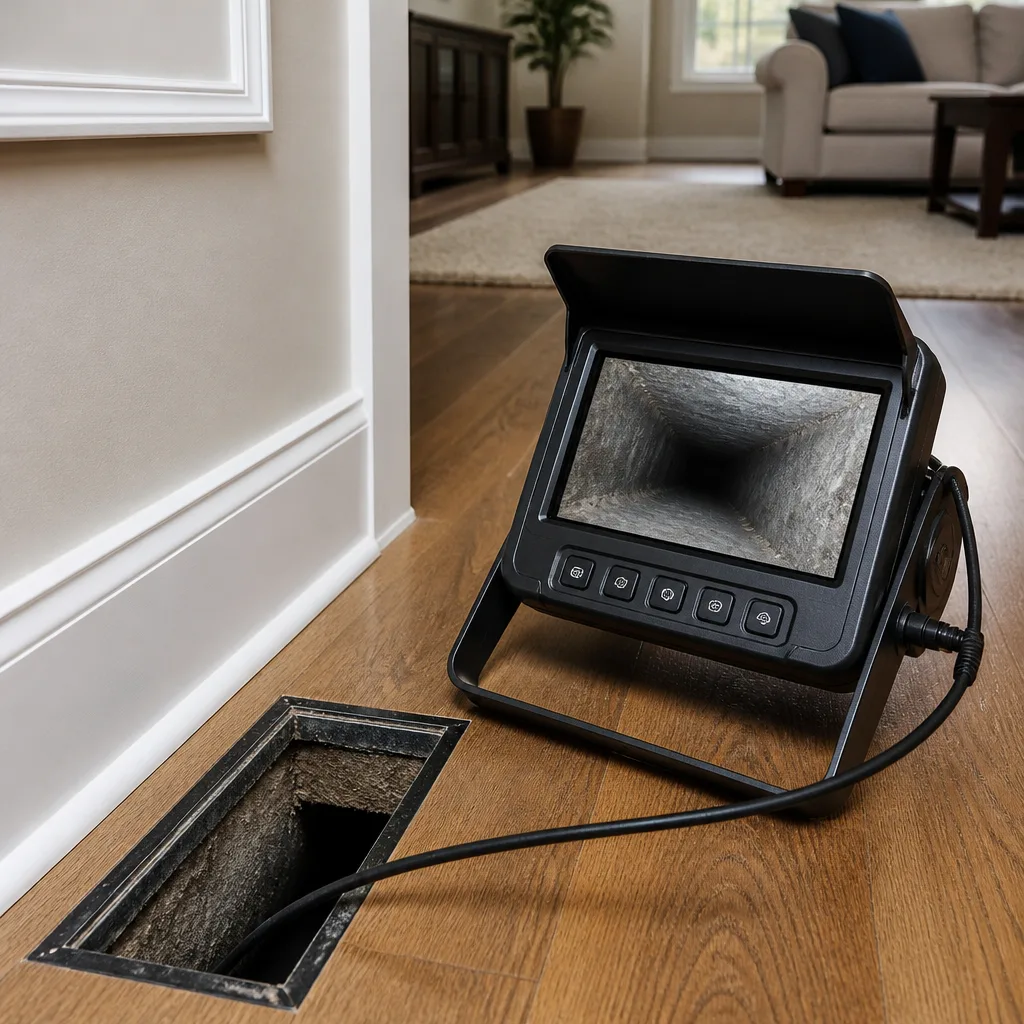 Camera inspection
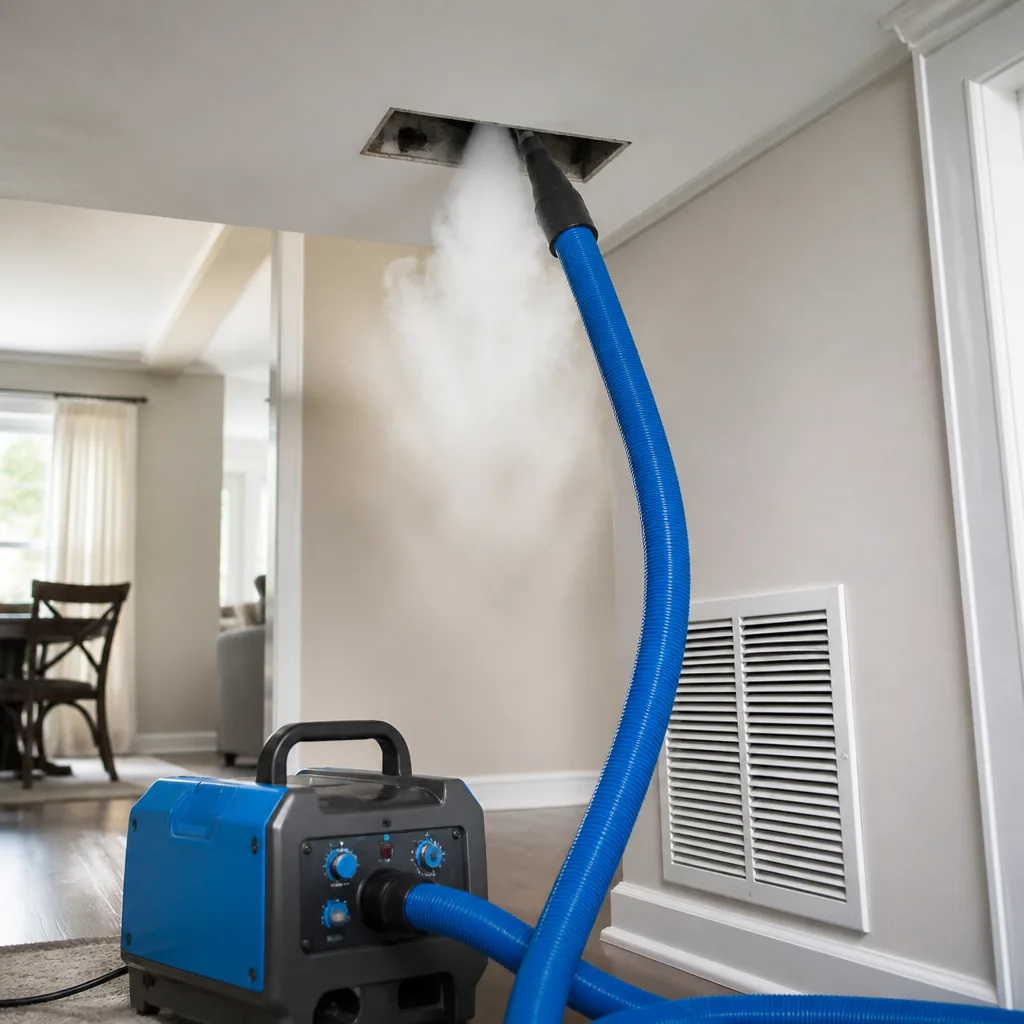 Sanitizing & deodorizing
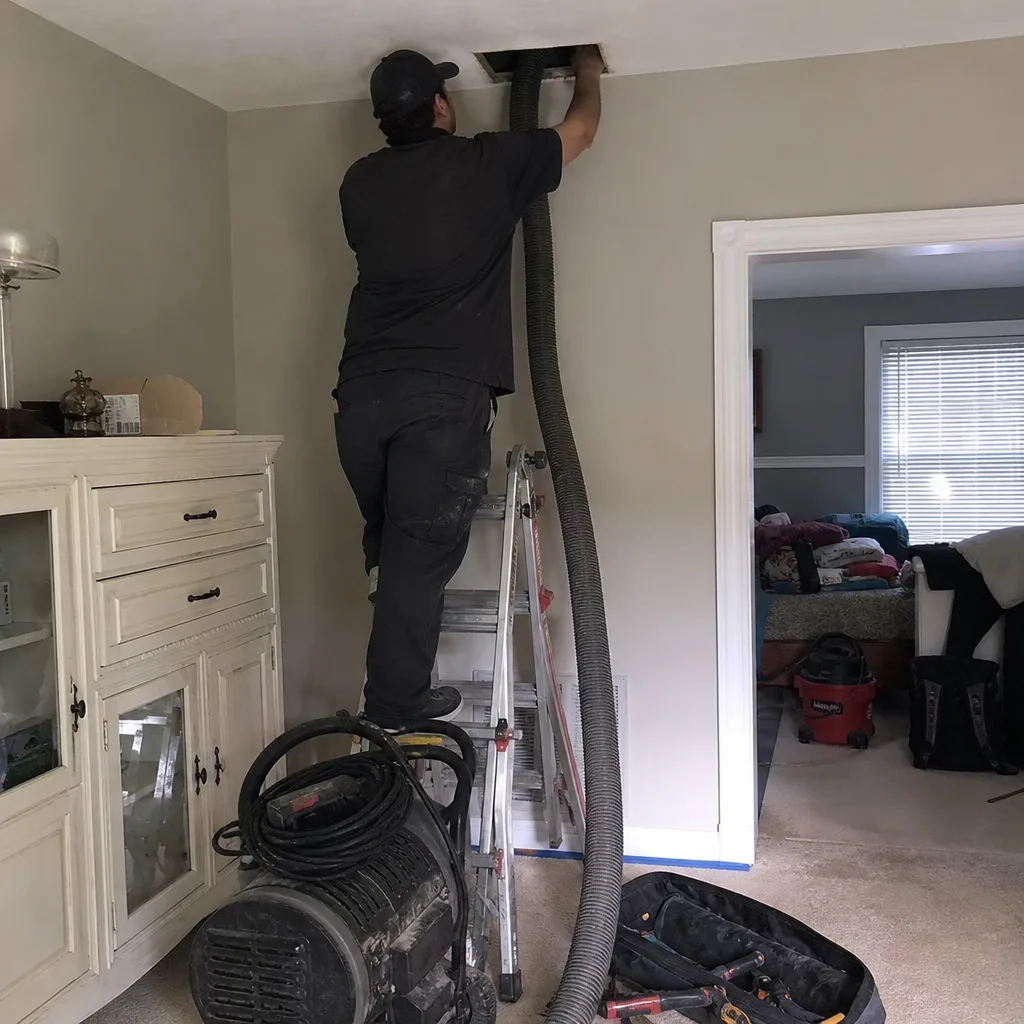
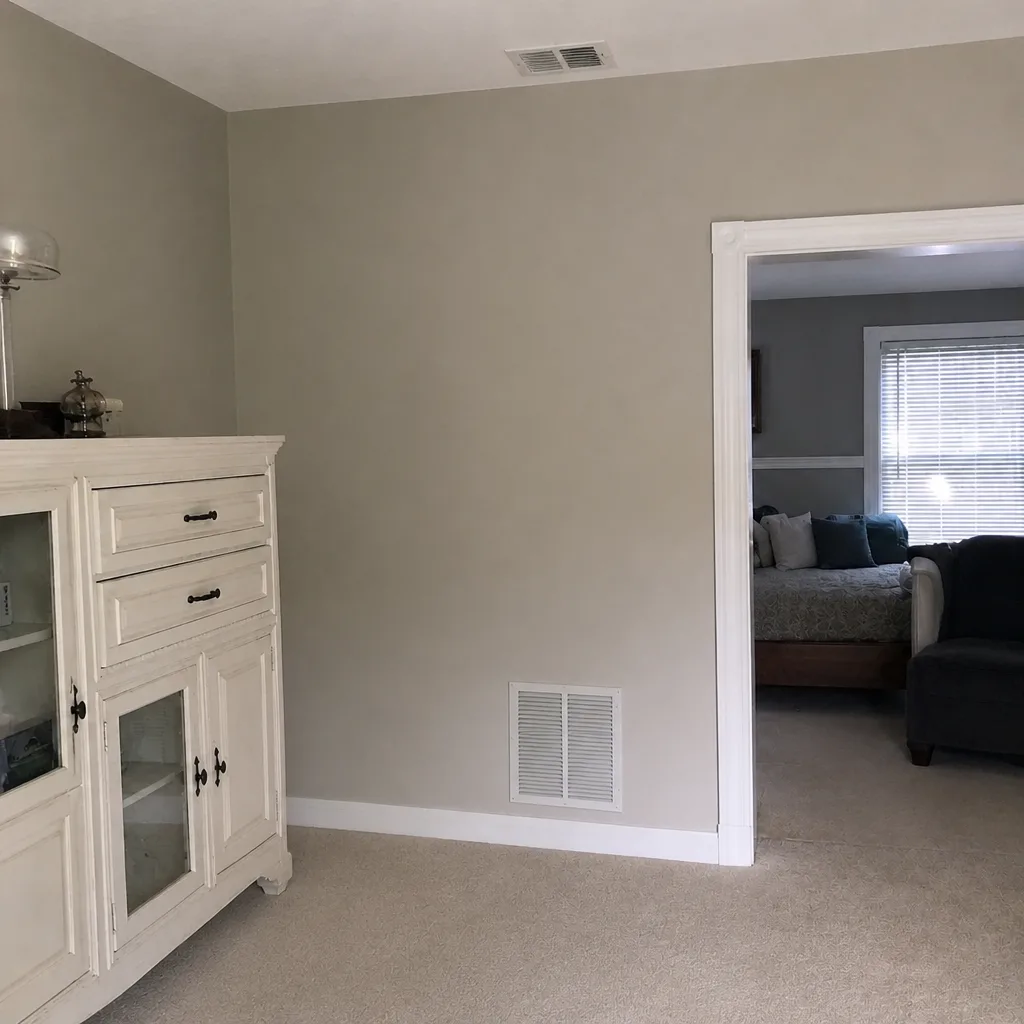
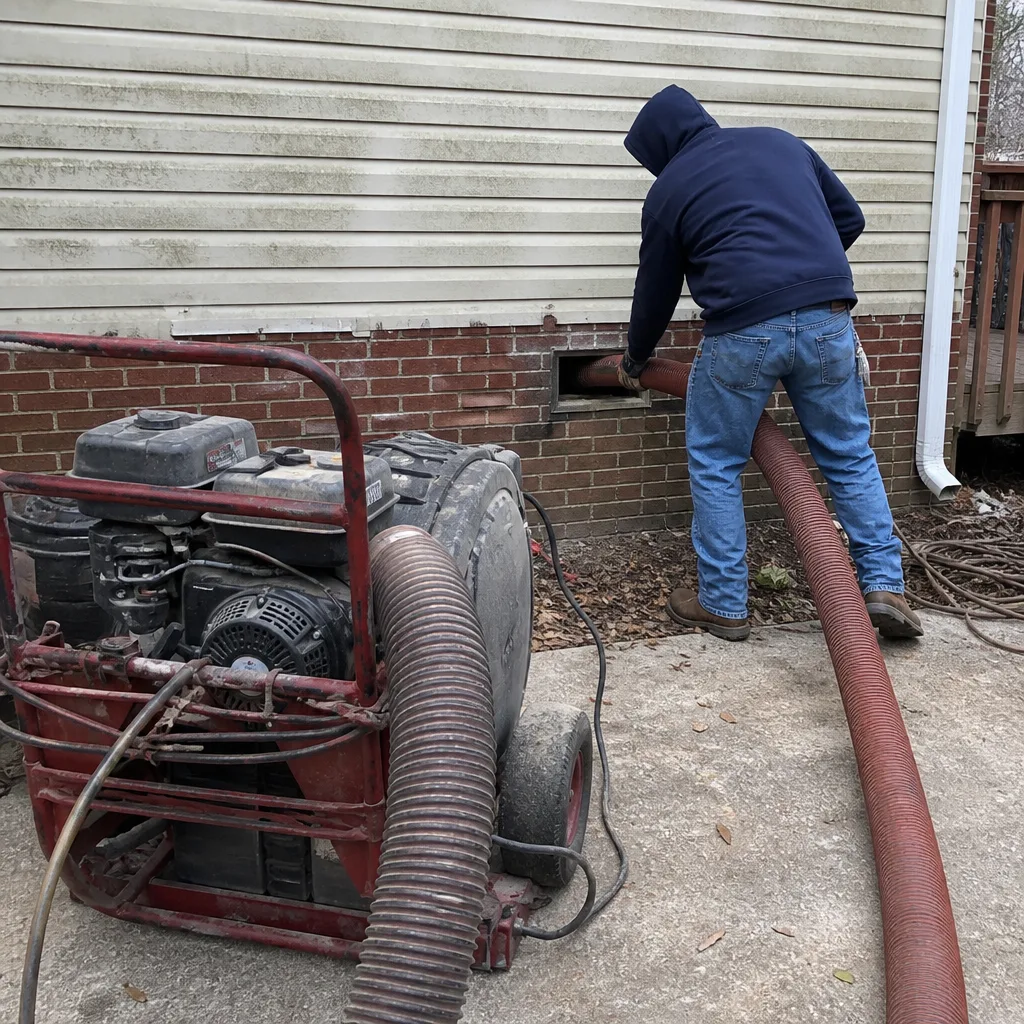
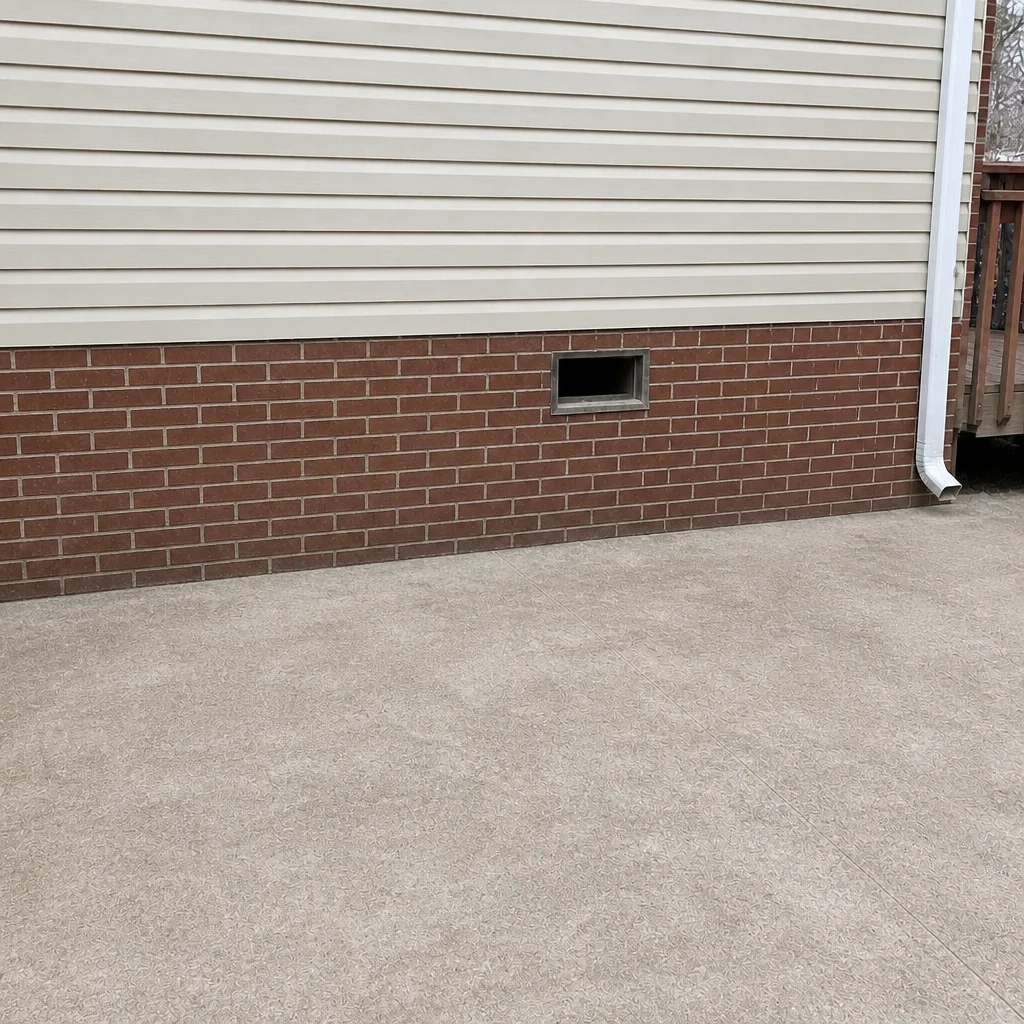
Whole-system duct and dryer vent check with before-and-after photos - you see exactly what came out of your vents
That "$99 whole-house special" is a bait ad - the real number appears once they are in your hallway, or the "clean" is a shop-vac at the register. We photograph the inside of your ducts before and after instead.
How to Hire an Air Duct Cleaning Contractor in Knoxville: A Step-by-Step Guide
Duct cleaning is one of the least regulated home services in Tennessee. Anyone with a truck, a shop vacuum and a magnetic sign can advertise air duct cleaning in Knoxville, and the coupon operations that cycle through neighborhoods count on homeowners not knowing what to ask before they let someone into the ductwork. That matters more than most people realize. The wrong contractor can fray duct liner, knock loose insulation into the supply runs, pull dust into the system instead of out of it, and in some cases leave your HVAC manufacturer’s warranty in question. The equipment matters. The process matters. And the questions you ask before booking matter most of all. This guide walks you through exactly what to verify, what to ask, and how to read a quote line by line, so the crew you hire is actually equipped to clean the whole air pathway and not just make noise in one room.
Quick Answer
To hire an air duct cleaning contractor in Knoxville, verify five things before booking: the type and capability of the negative air machine, the brush system, HEPA filtration on the exhaust, camera inspection capability, and whether the company handles duct sealing and repair. Ask for a system-wide flat quote rather than a per-vent price, request a written scope before any work starts, and confirm the company carries professional equipment rather than consumer-grade vacuums. Reputable contractors will answer all of this without hesitation.
Styles & brands we work with
- Whole-home duct cleaning
- Dryer vent cleaning
- Camera inspection
- Sanitizing & deodorizing
Table of Contents
- Why Air Duct Cleaning Is Unusually Unregulated in Tennessee
- The Five Equipment Questions to Ask Before You Book
- Why NADCA Membership Matters (and What It Doesn’t Guarantee)
- How to Read a Duct Cleaning Quote Line by Line
- Red Flags Specific to Low-Bid Knoxville Operators
- What to Ask For After the Job Is Done
- Knoxville Climate and Housing: Why Duct Systems Here Take a Beating
- Common Mistakes to Avoid
- When to Call a Professional
- Frequently Asked Questions
Why Air Duct Cleaning Is Unusually Unregulated in Tennessee
Tennessee does not license air duct cleaning as its own trade. That’s a fact most homeowners in Knoxville don’t realize until they’ve already paid for a job. HVAC contractors are licensed through the state, plumbers are licensed, electricians are licensed. Duct cleaning isn’t. The result is a market where a company that’s been doing this for years with remediation-grade equipment sits alongside a guy who bought a vacuum from a hardware store last month and printed business cards. Both can advertise the same way. Both can show up at your door. Only one of them has the equipment to do the job safely.
This isn’t a knock on all small operators. Some independent crews do solid work with the tools they have. But the burden of verification falls on the homeowner, and in Knoxville that burden is heavier than in states where the trade is regulated. You have to ask the questions yourself.
What the licensing gap actually means for you
Because there’s no license to check, there’s also no licensing board to complain to if a job goes wrong. If the crew tears duct liner or leaves debris in the plenum, your recourse runs through civil channels that most homeowners don’t want to pursue. That’s why the vetting process in this guide leans so hard on equipment verification and written scope. Those are the two areas where a contractor can’t fake it.
The warranty angle
HVAC manufacturers require proper maintenance to keep certain warranties in effect. If a duct cleaning job involves opening equipment housings, running aggressive brush systems through flex duct, or disturbing components in a way that isn’t standard practice, an HVAC manufacturer may have questions later. A contractor who knows the equipment and can explain exactly what they’ll touch is your best protection. A contractor who can’t answer basic questions about the system is a risk to both your ducts and your warranty.
The Five Equipment Questions to Ask Before You Book
Equipment is the one thing a contractor cannot fake on the phone. Ask these five questions before you book an air duct cleaning in Knoxville, and pay attention to whether the answers are specific. A contractor who does this regularly will answer without hesitation. A contractor who doesn’t will give you vague, marketing-flavored responses.
- “What negative air machine do you run, and what CFM does it pull?” The negative air machine creates suction inside the duct system so debris gets pulled out rather than blown into your rooms. Professional machines in the 3,000+ CFM range are common for residential work; consumer-grade equipment tops out far below that. If the answer is “a big vacuum” or a number under 1,500 CFM, that’s a red flag for anything other than the smallest single-zone system.
- “What brush system do you use?” Rotary brush systems (like those from Rotobrush) use a spinning brush head on a flexible shaft to loosen debris from duct walls. This is different from air whips or simple air hose blasts. Ask whether the brush system can navigate flex duct without damaging the inner liner, and whether they use different heads for different duct materials.
- “Is the exhaust HEPA filtered?” When a negative air machine pulls debris out of the ducts, that debris has to go somewhere. If the exhaust isn’t HEPA filtered, the fine particulate that comes out has to go back into your home. Abatement Technologies air filtration units are the standard in remediation work; if a company carries them, that’s a serious signal about how they handle containment.
- “Do you camera-inspect before and after?” A camera inspection is the only way to actually know what’s inside a duct run. Any contractor who doesn’t own a camera is cleaning blind. Ask to see before-and-after footage.
- “Do you carry duct sealing and repair tools on the job?” Cleaning is only as effective as the duct system is intact. If a duct has a gap, a disconnected joint or a collapsed section, the cleaning is undermined before it starts. A company that can seal and repair ductwork during the same visit solves the problem; a company that only cleans pushes the problem down the road.
Our own Knoxville Air Duct Cleaning Co runs Rotobrush and Nikro equipment with Abatement Technologies air filtration on-site during every job. We’re not the only company in Knoxville that runs this setup, but we’re happy to explain exactly how it works before you decide who to hire. Ask every contractor you’re considering the same five questions.
Why NADCA Membership Matters (and What It Doesn’t Guarantee)
NADCA stands for the National Air Duct Cleaners Association, and it sets industry standards for how duct cleaning should be done. If a contractor in Knoxville tells you they’re a NADCA member, that’s a meaningful signal: it means they’ve committed to a written standard of practice and are at least aware of what clean ductwork actually requires. Verify the claim on the NADCA website rather than taking the contractor’s word for it. Membership is searchable and the verification takes about thirty seconds.
What NADCA membership does guarantee
- The contractor has agreed to follow the NADCA standard for assessment, cleaning and restoration.
- They’ve acknowledged the industry’s best-practice framework for what a duct cleaning job should include.
- They’re part of a professional network that expects a baseline of competence.
What it doesn’t guarantee
Membership is not a quality guarantee. A NADCA member can still send an undertrained crew, cut corners on the job, or upsell you on services you don’t need. It’s a starting filter, not a finish line. In our experience, the best signal of quality is a contractor who can walk you through their equipment, their process and their scope of work without relying on their credentials alone. A NADCA membership badge on a van is not a substitute for asking the five equipment questions.
How to Read a Duct Cleaning Quote Line by Line
Per-vent pricing is the single most common way homeowners get surprised on duct cleaning in Knoxville. A coupon quote of “$79” or “$49” almost never reflects what the job will cost when the crew is in your home. It reflects the price of the first vent, or the first system visit, or an entry point that then expands once the technician is on site. That’s not a pricing model, it’s a sales funnel.
What a system-wide flat quote should include
- The entire air pathway, not just the visible supply runs. That means supply ducts, return ducts, the air handler area, and the components around the blower.
- A written scope of work agreed before any technician starts.
- Access point repair, meaning the technician re-seals any access cuts made to reach the duct interior.
- Filter replacement or cleaning if that’s part of the standard job for your system.
- Before-and-after camera inspection with footage you can keep.
- Any deficiencies noted in writing, even if the fix isn’t part of the quote.
What a per-vent quote hides
- The number of vents the crew will actually clean vs. the number they quoted for.
- Whether return plenum and trunk line cleaning is included or billed separately.
- Whether access cuts are patched or left open.
- Whether sanitizer is mandatory or optional (spoiler: it should be optional, and it should come after inspection, not before).
- Whether the quote is the price or the first installment of a bigger one.
Ask for the flat quote in writing, per system, with the scope spelled out. A contractor who won’t put it in writing is a contractor who plans to add line items on-site. Our pricing runs as a flat price per system, agreed before work starts, with before-and-after photos of your own ducts included in the job.
Red Flags Specific to Low-Bid Knoxville Operators
The low-bid duct cleaning market in Knoxville runs on a familiar playbook. Once you know the pattern, it’s easy to spot. Here are the specific red flags to watch for.
- Vague scope language. A quote that mentions “duct cleaning” without saying what’s cleaned, how it’s cleaned, and what access points will be opened is not a quote. It’s a placeholder.
- No written assessment. A legitimate contractor inspects before quoting. If they quote over the phone without seeing the system, the price isn’t real.
- Pressure to add sanitizer before inspection. Sanitizing has a role when there’s confirmed microbial growth in the system. A contractor who wants to add it as a line item before they’ve looked inside is upselling, not assessing.
- No camera. If the contractor can’t show you footage of what’s inside your ducts, they’re guessing.
- No negative air machine on the truck. A truck-mounted or portable professional unit is visible when the crew sets up. A shop vacuum is not the same thing.
- No physical business address listed. Reputable contractors in Knoxville are findable, reachable and accountable. A phone number and a P.O. box is not the same.
- Coupon price that changes once on-site. This is the clearest sign of a bait-and-switch model. A flat price per system agreed before work starts is the only pricing approach that protects the homeowner.
What to Ask For After the Job Is Done
The job doesn’t end when the crew packs up. What you receive after the work is complete tells you whether the job was actually done properly or just looked like it was while the machines were running.
- Airflow test results. Ask the technician to show you a before-and-after airflow reading at the supply registers. Restricted airflow before cleaning and improved airflow after is one of the clearest indicators that the work made a difference.
- Photos of access points opened. Any access cut made to reach the duct interior should be documented. This matters both for your records and for confirming that the cuts were properly re-sealed.
- A written record of any repairs or deficiencies noted. If the crew found disconnected flex duct, gaps at the trunk, moisture staining or damaged duct liner, they should tell you in writing. Cleaning doesn’t fix damaged ductwork. Documenting it lets you plan a repair before the problem gets worse.
- Before-and-after camera footage. Some contractors include this in the standard job; others charge extra. Ask which one your contractor does before you book.
- A copy of the written scope of work signed off at job completion, confirming the work was completed as quoted.
Knoxville Climate and Housing: Why Duct Systems Here Take a Beating
Knoxville sits in the Tennessee Valley, and the climate here puts specific pressure on residential HVAC systems. Summers run humid enough that condensation is a regular fact of life in duct systems that run through unconditioned attic space, and that moisture creates conditions where microbial growth can start inside the duct liner. Winter brings cold snaps that stress the system the other direction. A duct system that stays dry and sealed handles both seasons the way it should. One with gaps, disconnected joints or moisture intrusion cycles through problems year after year.
Housing stock in Knoxville
The city’s housing stock is a mix. Older homes in neighborhoods like Old North Knoxville, Fourth and Gill and Sequoyah Hills have duct systems that were retrofitted decades after construction, sometimes run through spaces not originally designed for them. Newer construction in West Knoxville, Hardin Valley and Farragut uses flex duct that’s efficient when it’s intact but very sensitive to poor cleaning techniques. A contractor who doesn’t adjust their approach to the duct material they’re cleaning risks damaging the liner in exactly the neighborhoods where duct systems are already most vulnerable.
Why this matters for hiring
Because the Knoxville climate creates moisture conditions that lead to microbial growth, sanitizing is a legitimate service when it’s warranted. Guardsman sanitizing treatment addresses mold, bacteria and allergen contamination beyond what mechanical cleaning alone can achieve. But it should be recommended after an inspection shows the problem, not upsold as a default line item on every job. A contractor who knows Knoxville’s climate knows the difference.
Common Mistakes to Avoid
- Choosing on price alone. A $49 quote is not a duct cleaning price, it’s a door-knock fee. The equipment and process that make a job safe to do cost more than the coupon companies charge, and hiring on the lowest number is how homeowners end up paying twice for the same job.
- Skipping the equipment questions. Reviews, ratings and certificates don’t tell you what equipment is on the truck. Ask about the negative air machine, brush system, HEPA exhaust and camera before you book. It’s the fastest filter in the business.
- Letting the crew clean without a written scope. Even if the contractor is reputable, “duct cleaning” can mean a lot of things. Get the scope in writing: what’s cleaned, what access points are cut, what’s sealed, what’s photographed. The written scope is what you compare against when the job is done.
- Accepting sanitizer as a default add-on. Sanitizing has real value in systems with confirmed contamination. It’s not a mandatory line item on every job. If it’s being pushed before anyone has looked inside the ducts, that’s a sales pitch.
- Never asking for airflow or camera proof. A job you can’t verify is a job you’re trusting on faith. Ask for airflow readings, before-and-after footage, and photos of access points. Reputable contractors expect these questions and are happy to answer them.
- Not addressing duct damage found during cleaning. A cleaning job doesn’t fix gaps, disconnected joints or torn liner. If the crew finds damage and you don’t get it repaired, the next cleaning only returns the problem to the same stage. Ask about duct repair and sealing before the cleaning is scheduled, not after.
- Assuming the HVAC company that installed your system is the right choice. Most general HVAC contractors treat duct cleaning as a side service, often with consumer-grade equipment. A company set up specifically for duct cleaning jobs runs better equipment and follows a tighter process. The two aren’t interchangeable.
When to Call a Professional
Duct cleaning isn’t an annual chore. Most homes don’t need it on a schedule. But specific situations do call for it, and in Knoxville those situations show up more often than the calendar suggests. Call a professional if you’ve recently finished a renovation that generated heavy dust, if you’ve moved into an older home with unknown duct history, if anyone in the household has allergies or asthma that seem to worsen indoors, if you notice a persistent musty smell you can trace to the vents, or if you’ve never had the ducts cleaned and the home is more than a few years old. Dryer vent cleaning falls into the same category: it’s a maintenance job, not an emergency, and it should be done on a regular basis before lint buildup creates a real problem.
A full-system clean also pairs naturally with duct repair and sealing if the camera inspection turns up gaps. Cleaning an intact system is worth doing; cleaning a leaky system only delays the same work. Knoxville Air Duct Cleaning Co offers free estimates in Knoxville. Call (888) 881-9239 to schedule an assessment and receive a written flat quote before any work begins. The local pro we connect you with is licensed and insured as their state requires, and every job ends with before-and-after photos of your own ducts.
Frequently Asked Questions
Most residential air duct cleaning in Knoxville runs as a flat price per system rather than a per-vent rate, and the price depends on the number of systems in the home, the length of the duct runs, and whether duct repair or sanitizing is included. A written estimate sets the final price before work begins. Beware of any quote that comes as a per-vent rate or a headline coupon number, because those are entry prices, not job prices. Call (888) 881-9239 for an exact quote; estimates are free.
Cheap quotes are cheap because the equipment behind them is cheaper to run, the process is faster, and the scope is thinner. A $49 or $79 coupon typically covers a partial cleaning of one system without camera inspection, without HEPA-filtered exhaust, and often without access point repair. The low number is a door-knock price, not a job price. Expect the invoice to grow once the crew is on site if you choose a quote built this way. Call (888) 881-9239 for a flat quote per system that stays flat.
Ask the technician for before-and-after camera footage of your ductwork, airflow readings at the supply registers, and photos of every access point opened and re-sealed. A contractor who does proper work will produce these without hesitation. A contractor who doesn’t have a camera on the truck can’t prove anything. Flat pricing and photo documentation are what separate a verifiable job from a hopeful one. Call (888) 881-9239 to schedule a free estimate.
For most Knoxville homes, once every three to five years is reasonable when there’s no renovation, no pets with heavy shedding and no history of moisture problems. Homes with recent construction dust, allergy concerns or a musty smell that traces to the vents should be cleaned sooner. If the ducts have never been cleaned and the home is older, it’s worth scheduling an assessment to see what the inside of the system actually looks like before deciding. Call (888) 881-9239 for a free estimate.
No. Standard residential duct cleaning in Knoxville is done with the family in the home. The negative air machine creates suction inside the ductwork, and HEPA filtration on the exhaust captures the fine particulate before it re-enters the living space, which is why remediation-grade filtration like Abatement Technologies units matters. Kids and pets can stay. The crew will let you know if any specific area needs to be clear during the job.
Duct cleaning removes accumulated debris from the inside of the duct system. Duct repair and sealing fixes gaps, disconnected joints, torn liner and other structural problems that make the system leak. Cleaning is only as effective as the duct system is intact, so if a camera inspection finds damage, the repair should be done alongside or right after the cleaning. A company that offers only cleaning and no repair or sealing is only handling half of the air pathway. Call (888) 881-9239 to schedule an assessment, and we’ll tell you what the system actually needs.
The Bottom Line
Hiring a duct cleaning contractor in Knoxville comes down to five questions about equipment, one question about scope, and a written quote you can hold the contractor to. Ask about the negative air machine, brush system, HEPA exhaust, camera inspection and duct sealing tools. Verify NADCA membership on the NADCA website. Request a flat quote per system, not a per-vent rate, and read it line by line. Watch for the red flags specific to the low-bid market and ask for documentation when the job is complete. The right contractor answers every question without blinking; the wrong one gives you a coupon price and a phone number. Choose the one whose equipment and process you can actually see. For dryer vent cleaning, air duct cleaning or HVAC cleaning, we’re happy to walk you through every step before you sign anything.
Call (888) 881-9239 for a free estimate. We answer 24/7. Fast dispatch from 7am to 7pm, Sunday through Friday. Our technicians have up to 10 years of experience, and we run Rotobrush, Nikro and Abatement Technologies equipment on every job so the work is done right the first time. Estimates are free, the price is flat per system, and you get photos of your own ducts before the crew leaves.
Written by the team at Knoxville Air Duct Cleaning Co.
See the difference
 Before
 After
 Before
 After
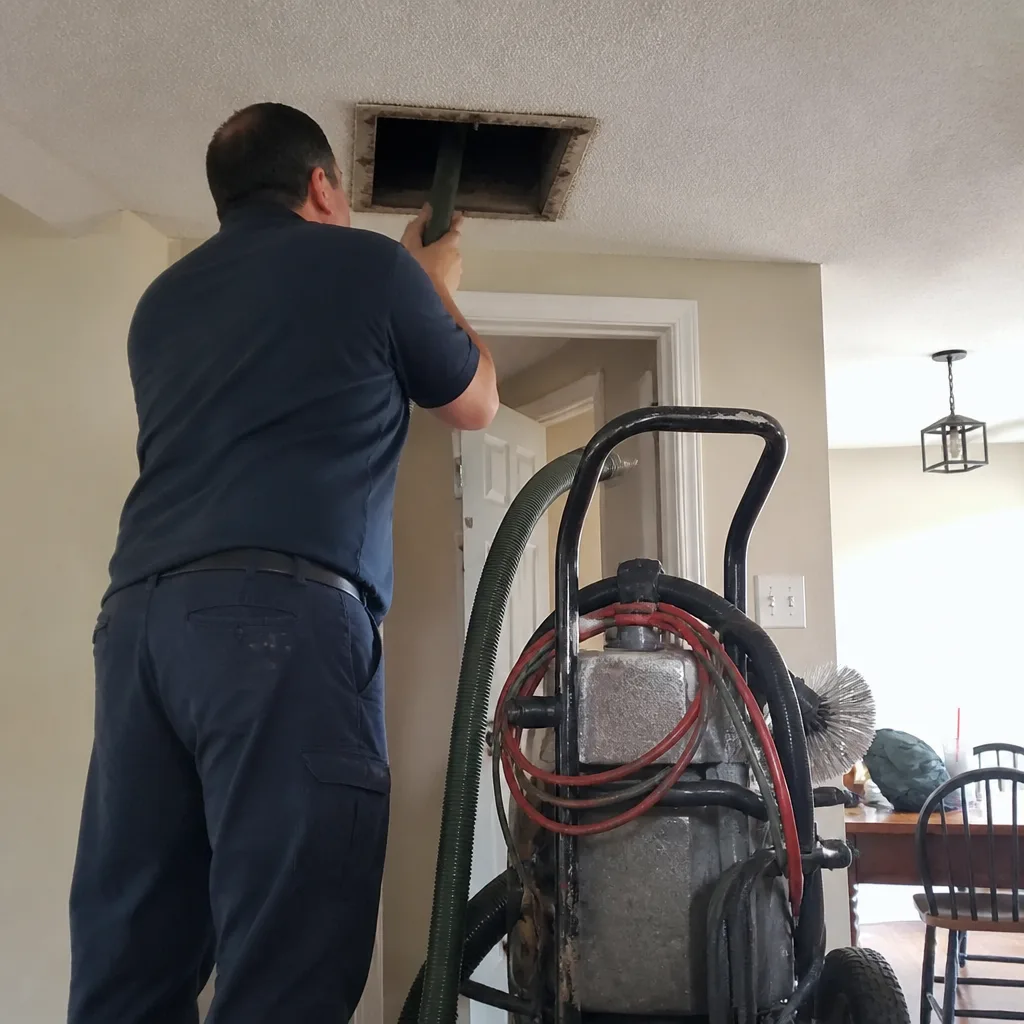 Before
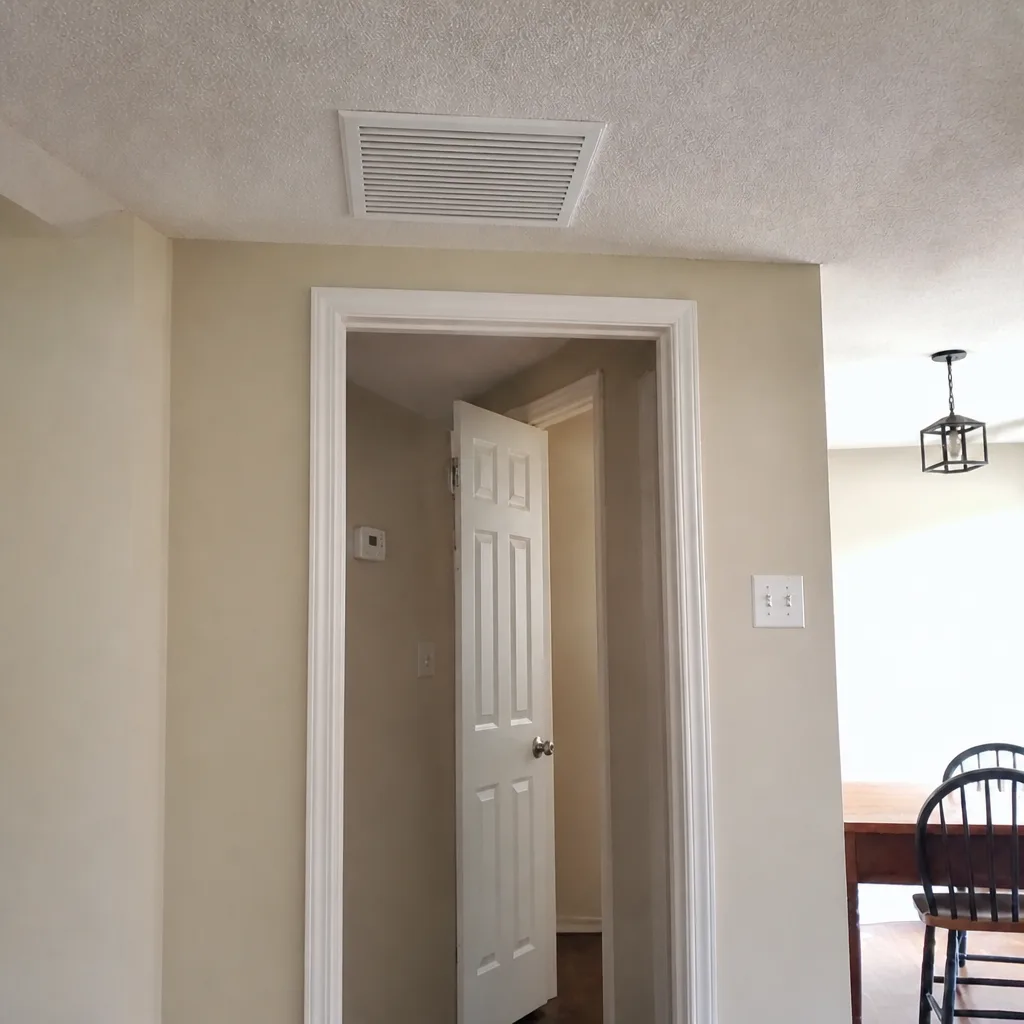 After