
Last updated November 25, 2026
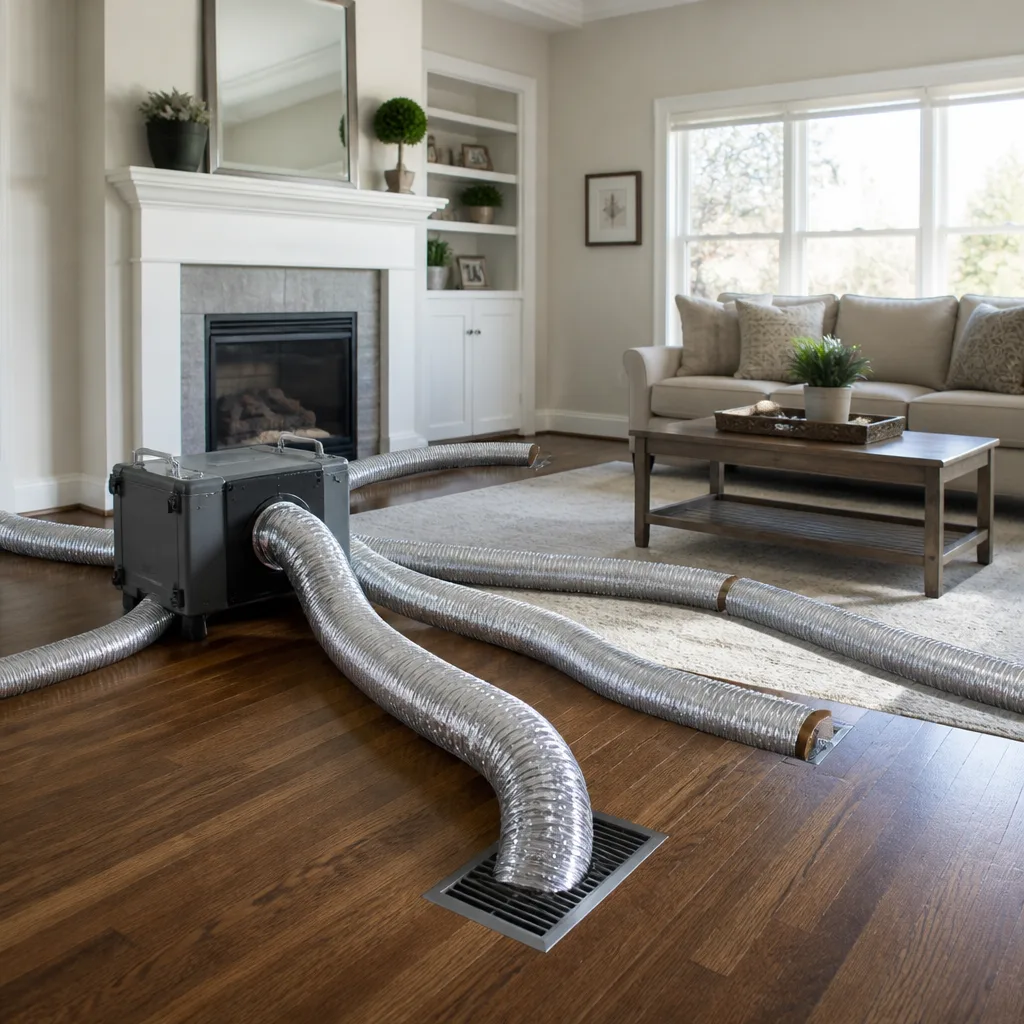 Whole-home duct cleaning
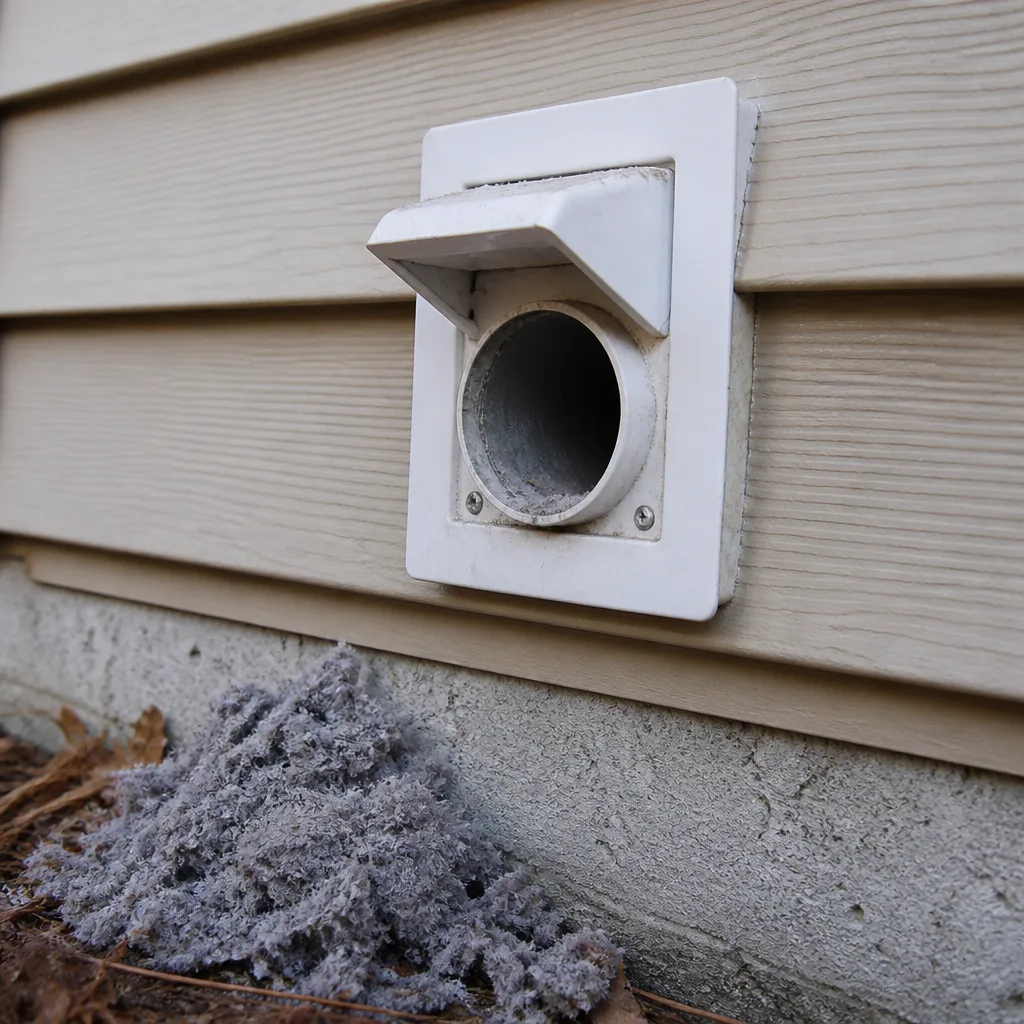 Dryer vent cleaning
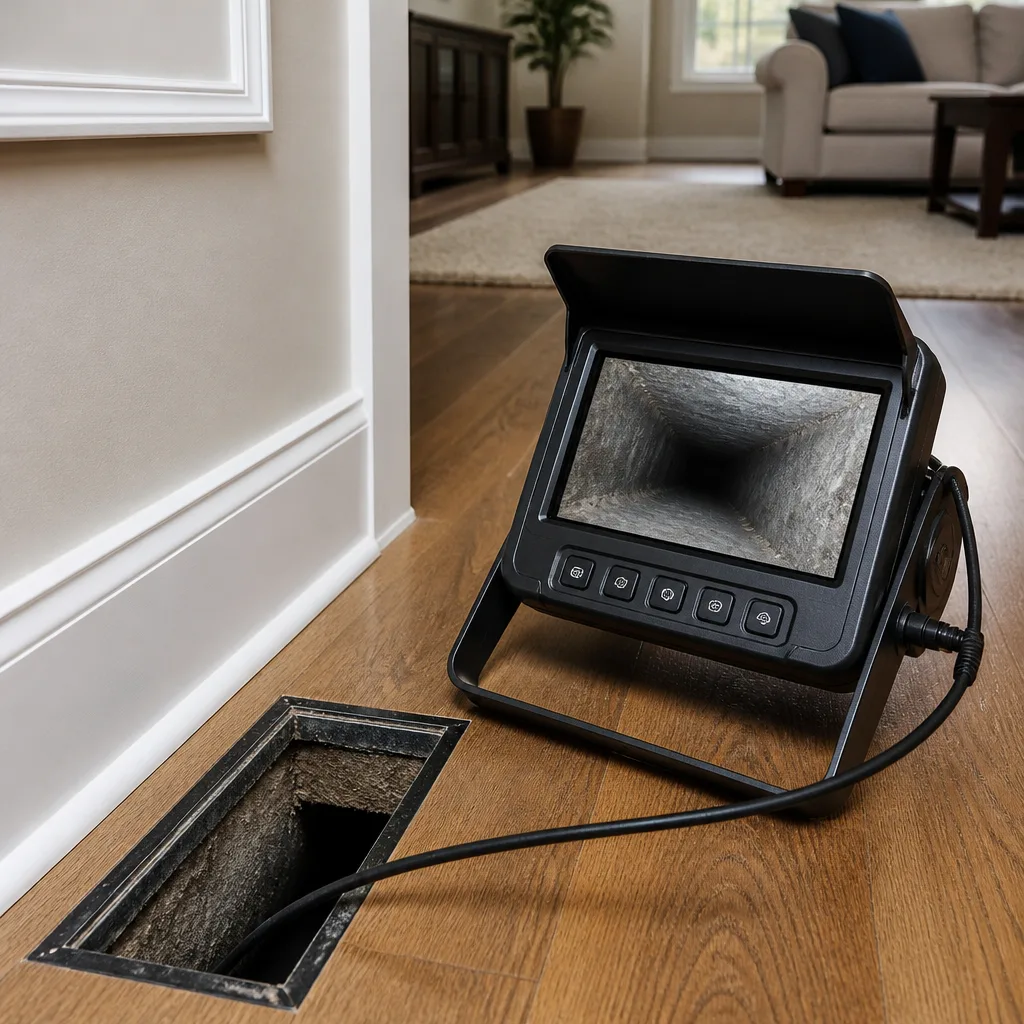 Camera inspection
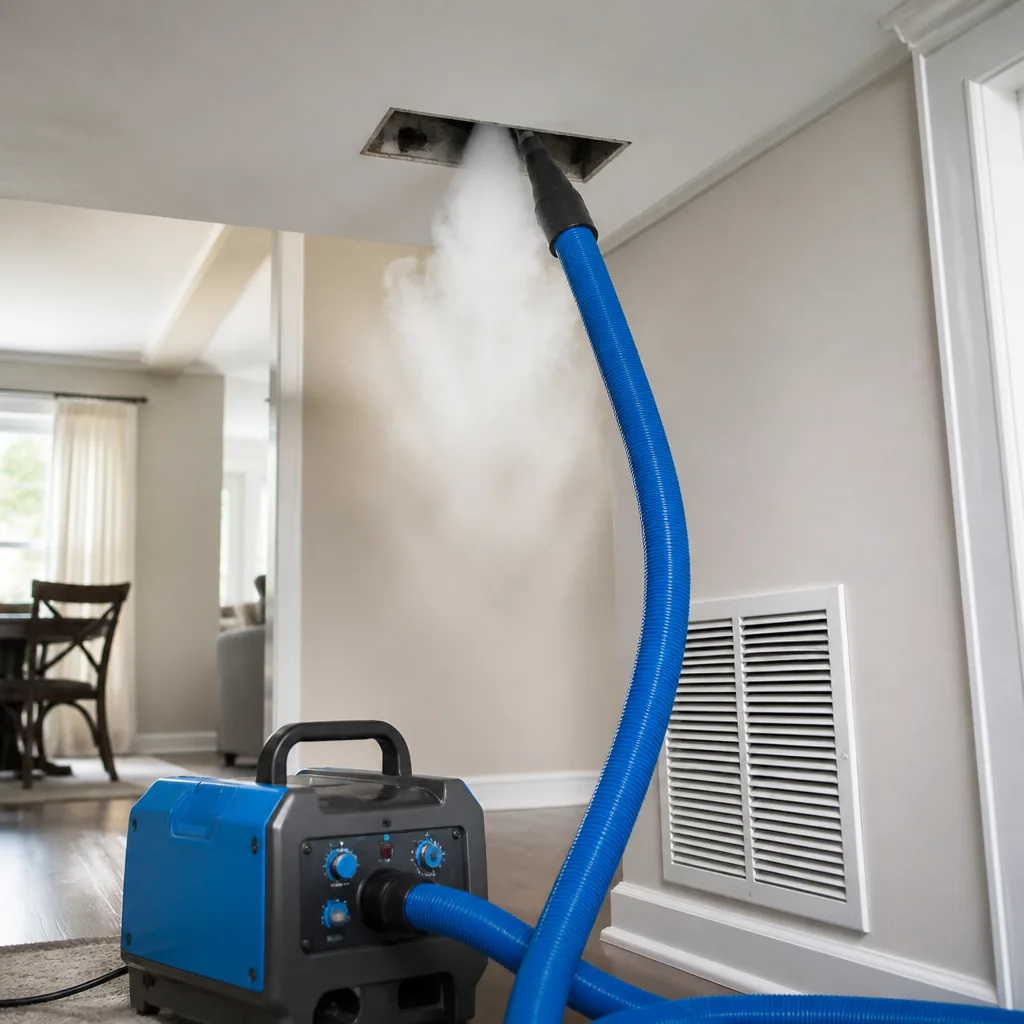 Sanitizing & deodorizing
Whole-system duct and dryer vent check with before-and-after photos - you see exactly what came out of your vents
That "$99 whole-house special" is a bait ad - the real number appears once they are in your hallway, or the "clean" is a shop-vac at the register. We photograph the inside of your ducts before and after instead.
Air Duct Cleaning Cost Breakdown: The Knoxville Homeowner’s Reference for 2026
The $149 special and the $900 quote for the same Knoxville house aren’t competitors. They’re describing different services. One is a contact vacuum over the accessible duct surfaces; the other is a negative-pressure whole-system extraction with camera inspection and sealing. Neither company explained that to you, and that gap in language is exactly where pricing confusion starts. This guide decodes what each quote actually buys, gives you 2026 Knoxville market ranges line by line, and shows you how to compare two estimates that use the same words to mean very different things. By the end, you’ll be able to describe your own system accurately enough that callers quote the job you actually have.
Quick Answer
Air duct cleaning in Knoxville typically runs $300 to $700 for a single-system home on a whole-system, negative-pressure basis, and $600 to $1,200 for homes with two systems or extensive flex duct. Per-vent pricing at $10 to $20 per vent often totals less than a real system clean because it covers far less work. The written estimate sets the final price.
Styles & brands we work with
- Whole-home duct cleaning
- Dryer vent cleaning
- Camera inspection
- Sanitizing & deodorizing
Table of Contents
- Why two Knoxville quotes for the same house can differ by $800
- How per-vent pricing works, and what it leaves out
- Line-item cost breakdown for a 2026 Knoxville job
- What moves the price: square footage, systems, duct material and access
- Legitimate add-ons versus upsells you rarely need
- What a written quote must contain to be valid
- How to describe your system when you call for quotes
- Common mistakes to avoid
Why two Knoxville quotes for the same house can differ by $800
The difference almost always comes down to scope, not quality. A company offering a low entry price is usually quoting a surface clean: a contact vacuum pulled through the accessible runs, often just the trunk line and the registers nearest the air handler. A company quoting several hundred dollars more is typically quoting a whole-system clean with a negative air machine, which puts the entire duct system under vacuum while technicians agitate debris loose with rotary brushes and whips from inside the ducts.
Those are two different jobs with two different equipment requirements. A contact vacuum is essentially a strong shop vacuum with a long hose. A negative air machine is a truck- or van-mounted unit that pulls several thousand cubic feet per minute and holds the system under negative pressure so dislodged debris travels toward the collection point instead of into your living room. On the jobs we’re called to in Knoxville, that containment step is the difference between a clean and a recontamination.
Here’s what a low quote usually omits:
- No negative pressure. Debris gets stirred but not captured, and some of it settles back into the system.
- No camera inspection. Nobody looks inside before or after, so nobody can tell you what was cleaned.
- Registers excluded. Face plates and supply boots stay dusty.
- No sealing. Loose joints go untouched, so the system leaks the moment it’s back in service.
- No documentation. You have no way to confirm the work happened.
Neither price is dishonest on its own. What’s dishonest is calling the first one a full system clean and letting the homeowner assume it means the second.
How per-vent pricing works, and what it leaves out
Per-vent pricing is calculated the same way a painter bids trim: count the openings, multiply by a rate. In Knoxville you’ll see rates from about $10 to $20 per vent in 2026. Twenty-four vents at $15 comes to $360, and that number sounds reasonable next to a $650 system quote until you break down what’s covered.
The per-vent rate covers the visible vent and the first stretch of duct behind it. On a typical Knoxville ranch with a central trunk line and branch runs to each room, most of the duct volume lives in the trunk and the long runs, not in the last two feet. A per-vent job touches the ends and leaves the middle untouched. Duct board and flex systems, common in Knoxville homes built from the 1980s onward, are usually where debris settles hardest, and those are exactly the surfaces a vent-by-vent pass never reaches.
A system-based flat rate in the $400 to $700 range should include:
- Camera inspection of the trunk and main branch runs before work starts.
- Negative air machine connected and the whole system under vacuum.
- Mechanical agitation of the trunk line and every branch run, not just the terminal ends.
- Register and return grille removal, cleaning, and reinstalling.
- Cleaning of the air handler cabinet interior, the accessible blower area, and the evaporator coil face when reachable.
- A post-clean camera check and before-and-after photos you can look at yourself.
If a per-vent quote includes all six, it’s a system job wearing a per-vent label. If it includes two, the price difference makes sense. The number of vents is not the question. The number of items on that list is.
Line-item cost breakdown for a 2026 Knoxville job
Below are typical 2026 Knoxville market ranges for each component. Think of these as the pieces that add up to a whole-system price, so you can see which line items a quote includes and which it silently drops. Prices for a specific home are set per job by the written estimate.
- Initial inspection and camera survey: $0 to $75, often folded into the system price. This is where a technician maps the duct layout and spots disconnected runs or pest intrusion.
- Negative air machine setup and operation: $100 to $200. Includes the drop cloth, the compressor hookup, and the exhaust routing.
- Hand-brushing and rotary agitation of trunk and branches: $150 to $300, depending on run length and duct material.
- Register and grille cleaning, supply and return: $50 to $120 for the full set. Some companies charge per register instead, which is how a modest job doubles.
- HVAC cabinet and blower cleaning: $75 to $175. Skipping this leaves the source of the dust load in place.
- Sanitizing treatment (Guardsman): $100 to $250, applied after mechanical cleaning. This addresses microbial contamination that brushing alone doesn’t resolve.
- Duct repair and sealing: $150 to $500+, quoted separately once the leaks are located. Cleaning is only as effective as the duct system is intact.
- Dryer vent cleaning, if ordered together: $100 to $200 for a standard run.
Add the lower ends of the first five lines and you’re in the $400 to $700 range for a standard single-system home. Add sanitizing and the cabinet work and you’re closer to $800. That’s the honest spread, and it explains most of why a $650 quote and a $1,100 quote can both be fair if the scopes are stated clearly.
What moves the price: square footage, systems, duct material and access
Four variables do most of the work on a Knoxville quote, and knowing them lets you predict the range before anyone shows up.
Square footage and system count. A 1,400-square-foot single-story home typically runs one system. A 2,600-square-foot two-story in a newer Knoxville subdivision often runs two, and each system carries its own trunk, branches, and air handler. Two systems generally double the labor and equipment hours, which is why the $600 to $1,200 range exists. Square footage matters less than system count, but long runs and multiple zones add time.
Duct material. Flex duct is corrugated inside, so debris clings in the ridges and the cleaning process takes longer. Sheet metal is smooth and cleans faster but often has more joints that leak. Duct board, the rigid fiberglass panel common in mid-century and 1980s construction, is the trickiest of the three: it can’t take aggressive brushing without damage, so technicians work at lower pressure with softer heads, which costs time.
Crawl space and attic access. Knoxville sits in a humid subtropical climate with cold winters, and a large share of homes use crawl space or attic duct runs. Humidity through spring and summer, followed by the heating season, is part of why duct board and flex systems here accumulate dust and moisture so steadily. Tight attic access, low clearance, or ducts buried under insulation add labor. A sealed, well-lit crawl space where a technician can move freely keeps the quote at the lower end.
Condition. Pest intrusion, standing moisture, disconnected runs, or visible biological growth turn a cleaning into a bigger scope. None of that is a sales tactic when the camera shows it. It’s a real requirement, and it belongs on the written estimate before anyone starts.
Legitimate add-ons versus upsells you rarely need
Not every add-on is a pitch. Some are exactly the work that makes a cleaning last. The test is whether the add-on addresses a problem the inspection actually found.
Worth it when you have the condition:
- Dryer vent cleaning. A separate system, separate lint load, and a real fire risk when lint builds at the dryer or at the exterior termination. If your dryer takes two cycles to dry a load, it’s overdue. dryer vent cleaning is worth requesting alongside a duct job when the vent run is long or terminates on a roof.
- Duct repair and sealing. Leaky joints pull attic or crawl space air into the airstream. If the camera or a pressure test shows leaks, sealing is the step that keeps what you just paid for from becoming a repeat job.
- Sanitizing after moisture or contamination. If the inspection finds biological growth or the house smells persistently musty, Guardsman treatment makes sense. If the ducts are simply dusty, brushing and extraction are enough.
Rarely necessary as part of a cleaning:
- UV light installation. A UV lamp works on the coil and the drain pan it can see. It does nothing inside duct runs. Recommend it only when a specific moisture source has been identified at the air handler.
- Coil cleaning on a coil that’s already clean. Ask to see it through the access panel. If it’s obviously fouled, a coil cleaning is real work. If it’s not, it’s an invoice line.
- Whole-home filtration upgrades sold before cleaning. An Aprilaire or Honeywell filtration upgrade is a sensible next step after the ducts are clean, since a filter is only as effective as the system it’s filtering. Selling it in place of cleaning is backwards.
What a written quote must contain to be valid
A quote you can’t compare isn’t a quote. Before you accept any Knoxville estimate, check that it answers each of the following in writing.
- Scope of work. Which components get cleaned: trunk line, branch runs, registers, returns, air handler cabinet, blower, accessible coil. Vague language like “full duct system” means nothing without a list.
- Equipment to be used. The specific machines and filtration. We use Rotobrush and Nikro equipment and run Abatement Technologies air filtration on-site during service, and that’s what a legitimate quote should name. If a company won’t tell you, ask.
- Areas included and excluded. Attic runs, crawl space runs, basement branches, and any duct the technician can’t safely reach should be listed either way.
- Access requirements. Where the technician needs to enter, and whether you need to clear furniture, open a crawl space hatch, or provide attic access.
- Price and what changes it. A firm number, and a written explanation of how the price shifts if additional work is found. No surprises after the equipment is set up.
- What happens if damage or mold is found mid-job. A valid quote states that work pauses, the finding is shown to you, and the additional scope is priced and approved before anything changes.
- Documentation. Before-and-after photos of your own ducts and a written summary of what was done.
- Cleanup and disposal. How debris leaves the property and who hauls it away.
A company that can’t put those eight items on paper is asking you to trust a verbal description of an invisible job.
How to describe your system when you call for quotes
Most quote calls go off the rails in the first thirty seconds because the homeowner and the technician are picturing different houses. Here’s how to describe your system so the number you get means something.
- Count the outdoor units or air handlers. One compressor and one air handler means one system. Two means two systems, and that changes the price band immediately.
- Count the supply registers and return grilles separately. A house with 18 supplies and 2 returns is a different job than 18 supplies and 6 returns, and the company needs both numbers.
- Identify your duct material. Flex duct looks like a coiled silver slinky behind the register. Sheet metal is rigid and smooth. Duct board is a rigid grey or foil-faced panel that feels like dense cardboard. If you’re unsure, look inside two registers and describe what you see.
- Say where the ducts run. Attic, crawl space, basement, or inside the conditioned space. Mention if any run is boxed in or if you’re unsure how to access the crawl.
- Note the age of the HVAC system and the last time the ducts were cleaned, if ever. A system older than 15 years or one that’s never been cleaned can need more time.
- Describe what you’re noticing. Dust returning within a week, a musty smell that shows up only when the heat runs, allergy symptoms that worsen inside the house, visible debris at the registers, or a recent renovation. Each of those points to a different focus.
Give those six answers and you’ll get a quote that reflects your system instead of a phone-call guess. For the full picture of what air duct cleaning includes, our service page walks through the process end to end.
Common Mistakes to Avoid
- Comparing a per-vent price to a system price. They measure different work. Convert every quote to what’s included before you compare the numbers, or you’ll pick the cheaper job and get the cheaper result.
- Accepting a verbal quote for an invisible service. Duct cleaning happens in spaces you never see. If it’s not in writing with a scope list, you have no way to confirm it happened. Ask for before-and-after photos as a condition.
- Skipping the air handler. Cleaning the ducts but leaving a dust-caked blower and cabinet is like mopping a floor with a dirty mop. The source of the dust load stays where it was.
- Cleaning without sealing. In a Knoxville home with leaky flex joints in the attic, cleaning is wasted the first time the system runs. Have the leaks addressed or ask why they weren’t.
- Buying sanitizing when there’s nothing to sanitize. Sanitizing is a real service for real contamination. Sold as a default add-on to every job, it’s an invoice line. Ask what was found.
- Assuming square footage equals price. A 2,000-square-foot home with one system in a sealed crawl space can cost less to clean than a 1,500-square-foot home with two systems and ducts buried under attic insulation.
- Not mentioning the musty smell. Odor is diagnostic information. A persistent smell points toward moisture or growth, which changes the scope, and withholding it means the onsite estimate changes.
When to Call a Professional
Duct cleaning is worth scheduling when dust visibly returns to surfaces within a week of cleaning, when a musty smell appears only when the system runs, or when allergy symptoms worsen indoors. It’s also the right call after a renovation that generated drywall dust, after pest activity in the ducts, or when moving into a Knoxville home with an unknown service history. Duct repair and sealing work follows the same rule: if the camera shows disconnected runs or gaps at the joints, seal them before you clean or you’ll be cleaning again soon. Moisture inside a duct is the one situation that shouldn’t wait; standing water in a duct system is a real contamination risk that a trained professional should assess rather than manage with a filter. Knoxville Air Duct Cleaning Co offers free estimates in Knoxville, so call (888) 881-9239 and describe what you’re seeing. We answer 24/7, with fast dispatch from 7am to 7pm, Sunday through Friday.
See the difference
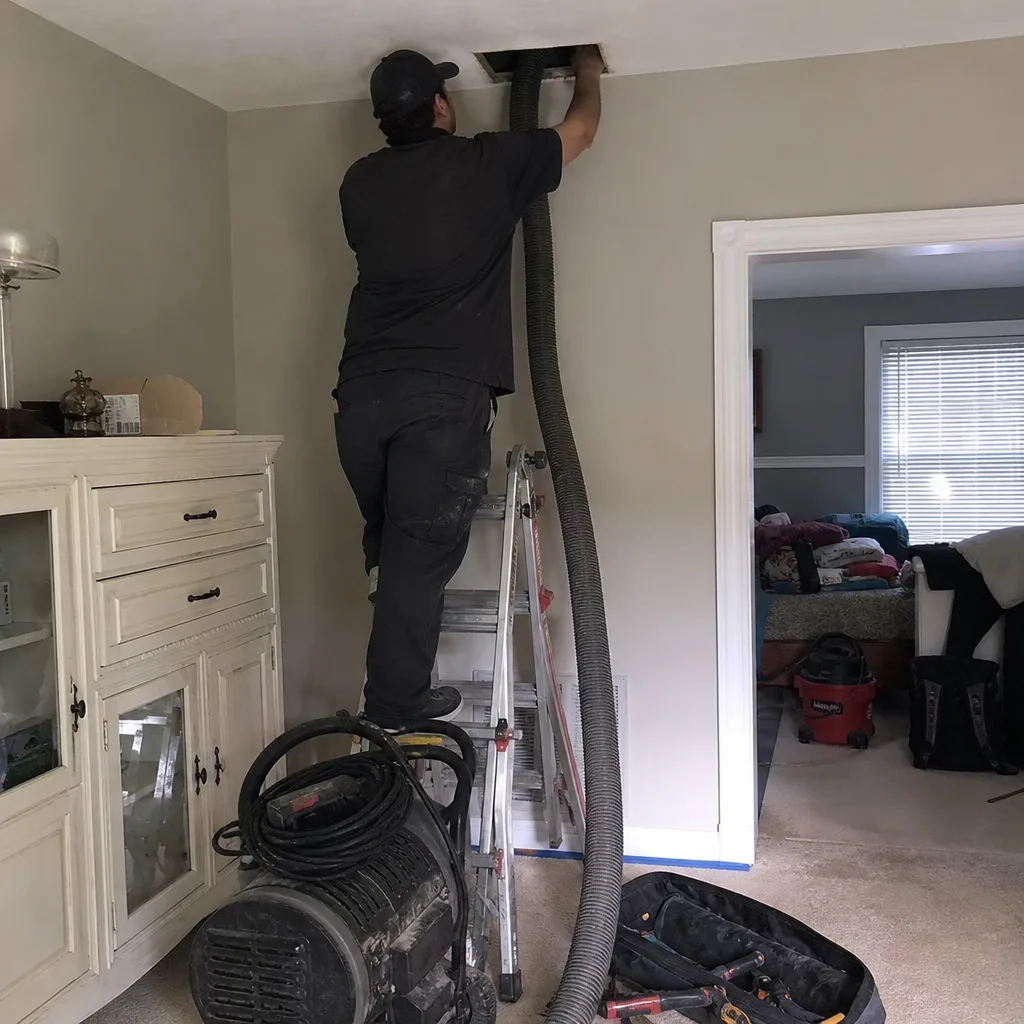 Before
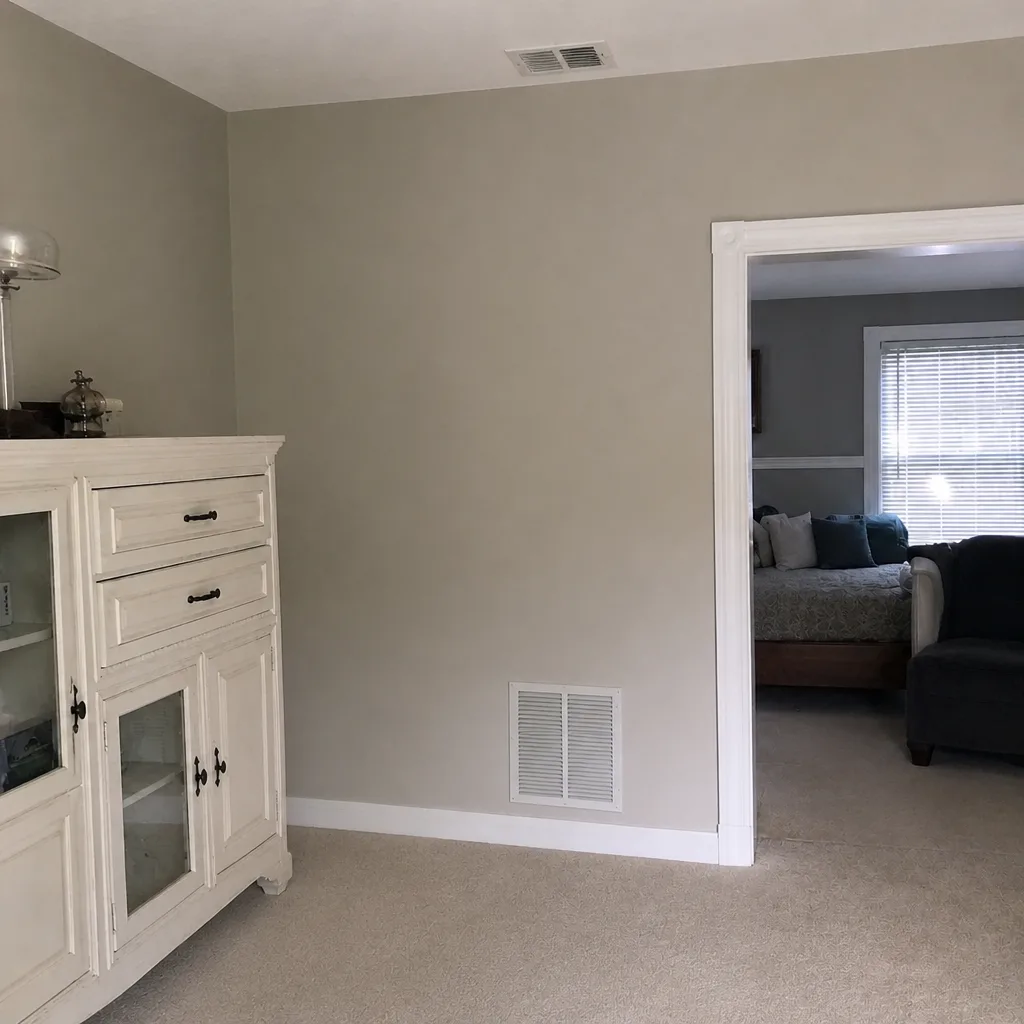 After
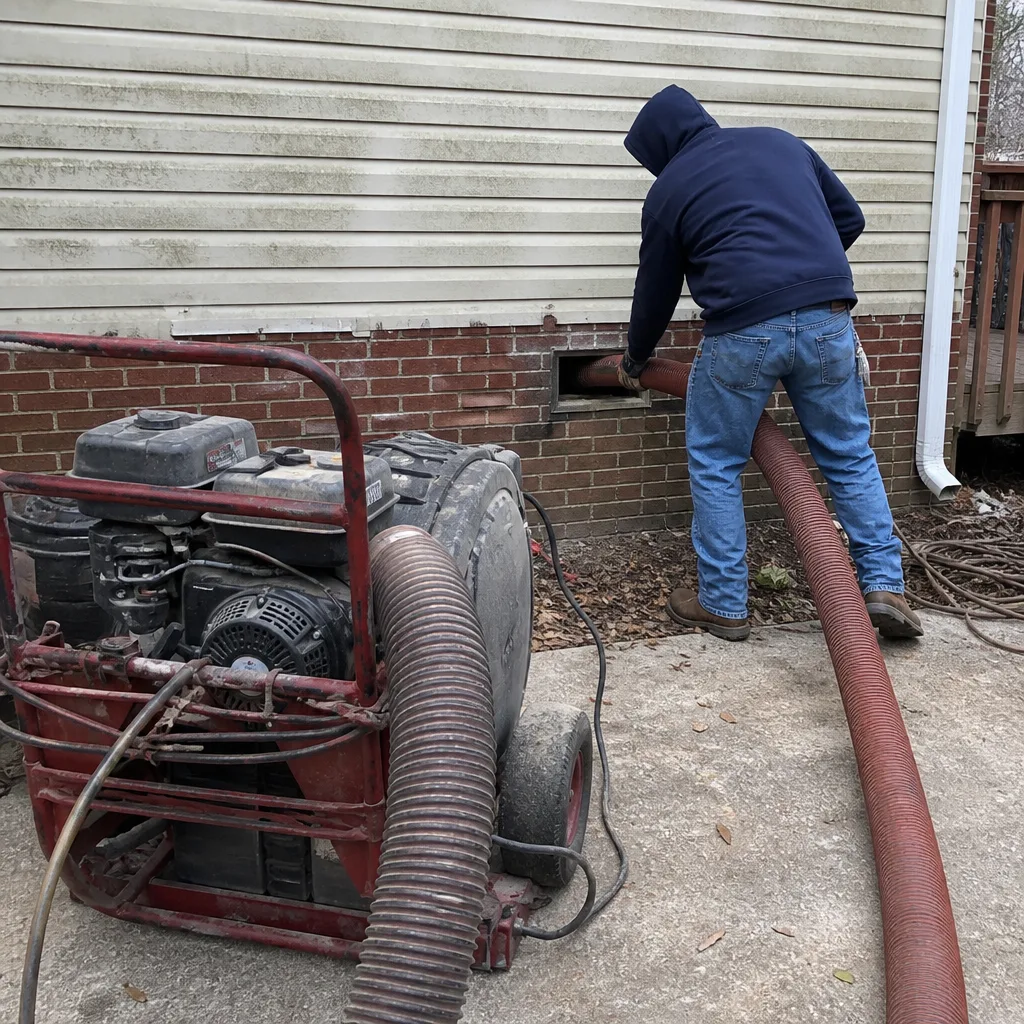 Before
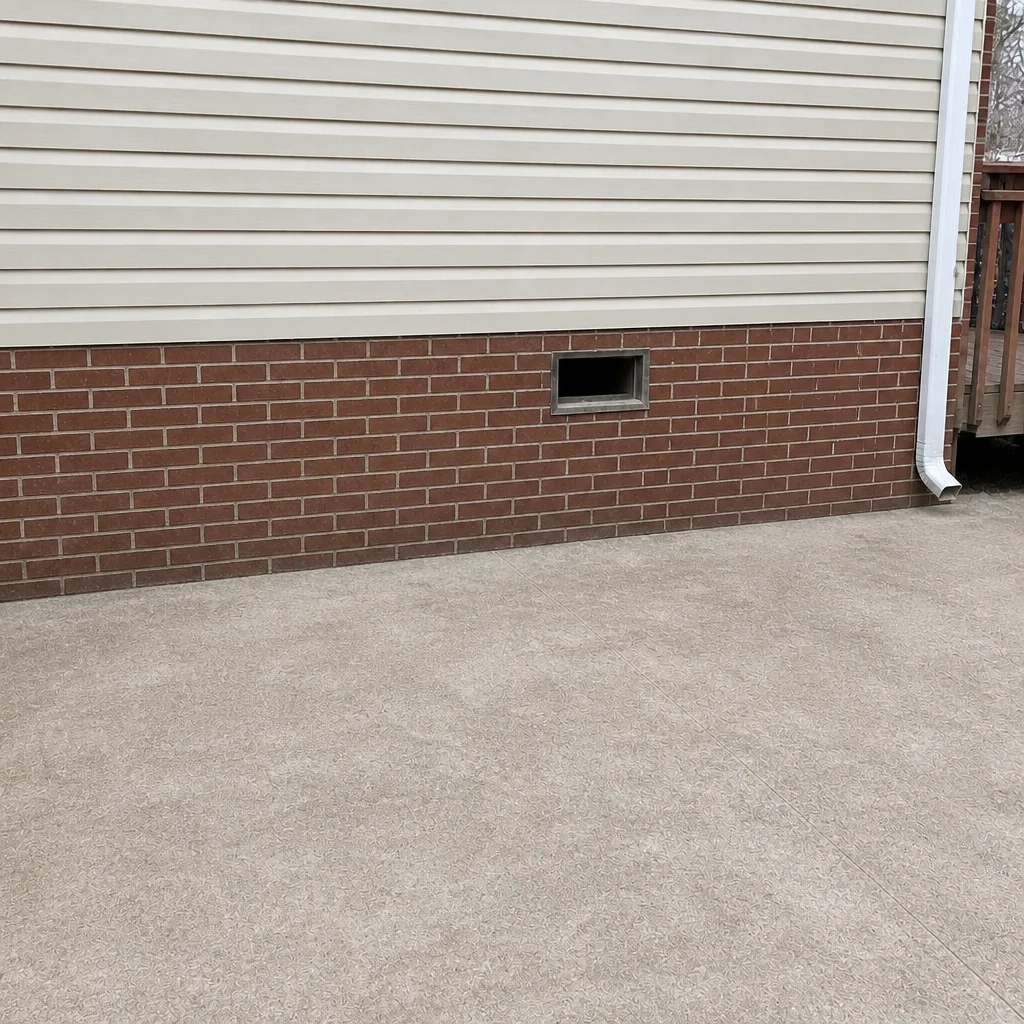 After
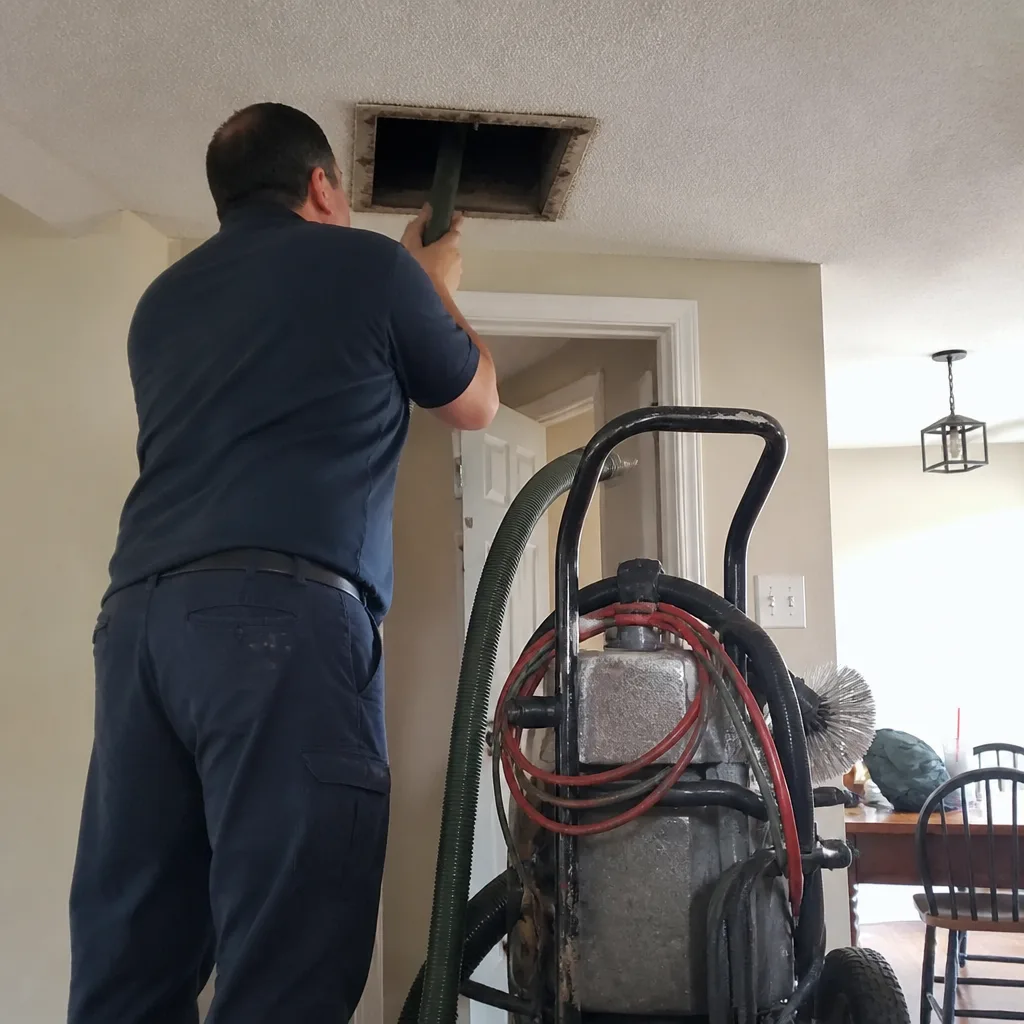 Before
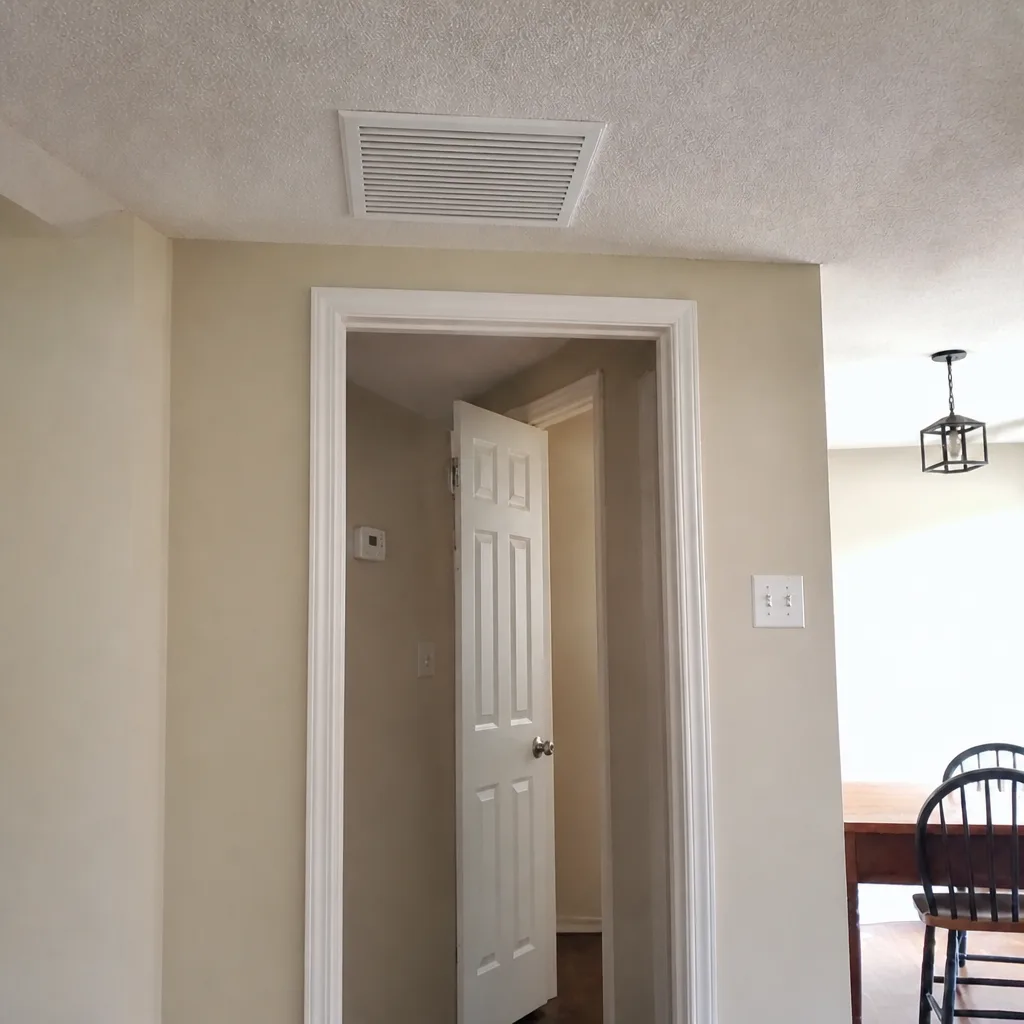 After
Frequently Asked Questions
Expect $300 to $700 for a whole-system clean in a single-system home, and $600 to $1,200 for two systems or a home with extensive flex and duct board runs. Per-vent pricing at $10 to $20 per vent often totals less because it covers far less work. The written estimate sets the final price, so get it in writing before work starts. Call (888) 881-9239 for an exact quote; estimates are free.
Cheaper quotes usually cover less: a contact vacuum over accessible runs instead of a negative-pressure whole-system extraction with camera inspection. That’s a different job with different equipment, not a discount on the same job. Ask every company which of the eight line items their price includes before you compare numbers. Call (888) 881-9239 and we’ll walk through the scope with you; estimates are free.
Ask for before-and-after photos of your own ducts and a post-clean camera check. A company running a real system clean can produce both because it inspects before and after as part of the job. A company that vacuumed the visible surfaces usually can’t. Call (888) 881-9239 to schedule; estimates are free.
Most Knoxville homes don’t need it on a fixed schedule. Every three to five years is a reasonable baseline for a normal home, but the trigger should be a condition: visible dust return, a musty smell, a renovation, pest activity, or a new-to-you house with unknown history. Homes with pets, recent remodeling, or allergies usually benefit sooner. Call (888) 881-9239 to talk through whether your house actually needs it; estimates are free.
Yes, it plays a role. Knoxville’s humid subtropical climate means long stretches of high humidity through spring and summer, and flex and duct board systems hold moisture in their surfaces more than sheet metal does. That moisture load is what turns ordinary dust into something that smells musty when the system runs. If you’re noticing an odor that appears only with the air on, mention it when you call. Call (888) 881-9239; estimates are free.
It’s worth it when the dryer takes two cycles to dry a load or the exhaust run is long with bends. The dryer vent is a separate system from your HVAC ducts, so it isn’t included in a duct cleaning price. Ask for it as a separate line item and compare. Call (888) 881-9239 to add it to an estimate; estimates are free.
The Bottom Line
Duct cleaning prices in Knoxville vary widely because companies use the same words to describe different scopes. A per-vent charge and a whole-system flat rate aren’t competitors, and once you know that, the $149 special and the $900 quote both make sense. Compare quotes on the line items, not the total: negative air, mechanical agitation of the full trunk and branches, register cleaning, cabinet and blower work, camera documentation, and the condition they found. Get the scope, the equipment names, the exclusions, and the mid-job protocol in writing. Then making a choice is straightforward. We’d rather you compared honestly and called us with an accurate description of your system than accepted a number nobody explained.
Related Reading
- Knoxville Air Duct Cleaning Co for the full picture of our services and process
- dryer vent cleaning when the dryer vent run is due alongside the ducts
- HVAC cleaning for the cabinet, blower, and coil side of the system
- air duct cleaning for the whole-system process explained step by step
Contact
If you want a quote built on an accurate description of your own system, call (888) 881-9239 for a free estimate. We answer 24/7, with fast dispatch from 7am to 7pm, Sunday through Friday. Our technicians have up to 10 years of experience, and we’ll put the scope, the equipment, and the price in writing before anything starts. One flat price per system, before-and-after photos of your own ducts, and a satisfaction guarantee behind the work.
Written by the team at Knoxville Air Duct Cleaning Co.